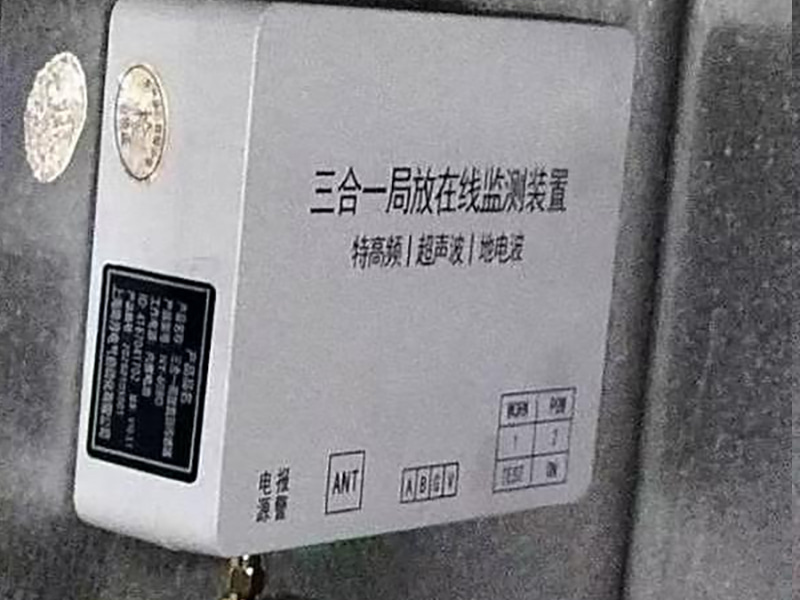
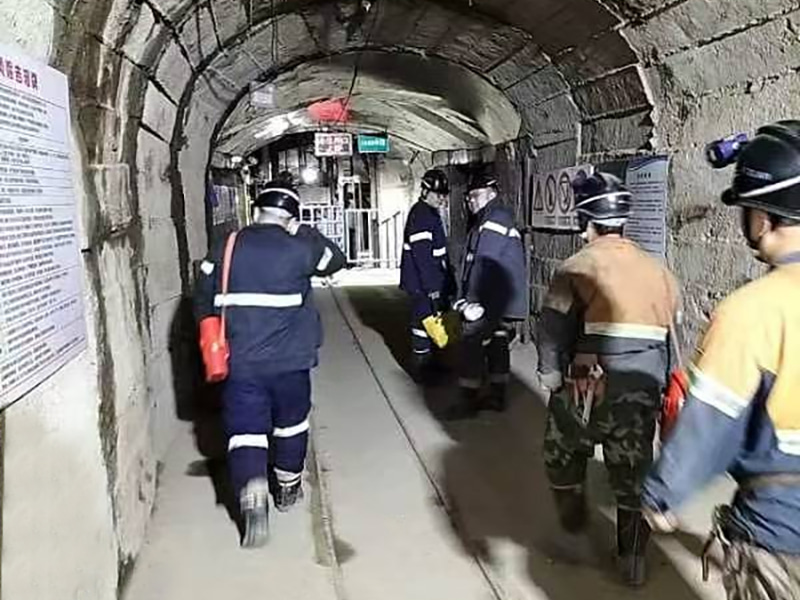
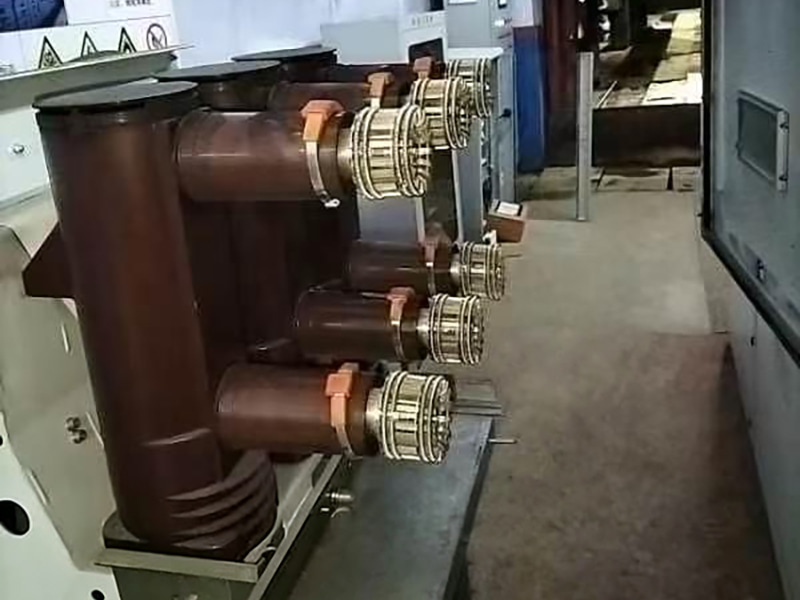
As the power core of underground coal mine production, the substation shoulders the critical task of transmitting electrical energy to various underground systems. Traditionally, substation power supply systems have relied primarily on manual temperature checks or infrared thermal imaging inspections to detect faults. However, within enclosed, narrow high-voltage switchgear cabinets and under harsh environmental conditions and complex operating environments, manual inspections often leave blind spots, failing to provide real-time, continuous temperature monitoring. With the continuous increase in underground electrical loads, ensuring the safe and reliable operation of power supply systems has become a top priority for coal mine safety production.
1. Power Supply System Hazard Analysis and Pain Points
Through statistical analysis of power system operation accidents, the direct causes of high and low-voltage distribution failures are often concentrated in several key components:
● Critical Heating Points: Internal stationary contacts, moving contacts, transformer leads, busbar joints, and cable joints within high and low-voltage switchgear.
● Fault Triggers: During long-term equipment operation, contact resistance gradually increases due to poor initial manufacturing quality, loose crimping, aging operational materials, or long-term heat-induced fatigue and corrosion of springs.
● Vicious Cycle: When the load current increases, excessive contact resistance generates a large amount of heat, causing temperatures to rise sharply. Without timely early warning, this easily leads to joint burn-through, equipment destruction, and even widespread power outages.
Such overheating hazards possess hidden and sudden characteristics, making them difficult to discover in advance through routine maintenance shutdowns or daily inspections.
2. Wireless Temperature Measurement System Solutions
To achieve real-time tracking and monitoring of high-risk heating contacts, joints, and critical electrical equipment, substations must deploy highly reliable wireless temperature measurement warning systems. The overall system architecture and working principle are as follows:
● Front-End Precision Acquisition: Dedicated wireless temperature sensors are installed at every monitoring point requiring key attention, such as switchgear contacts and cable joints. The sensors collect operating temperatures on equipment surfaces in real time and transmit the data wirelessly.
● Back-End Centralized Processing: Wireless receiving terminals are responsible for receiving wireless signals sent by each sensor, completing data demodulation and conversion; subsequently, data is transmitted to the temperature measurement workstation or displayed in real time via a panel.
● Intelligent Warning Protection: System software performs all-weather storage, trend analysis, and over-temperature alarms for all monitoring points. Once an abnormal temperature rise approaches the threshold, the system immediately issues a warning, notifying maintenance personnel to intervene in advance and eliminate accidents in their infancy.
Deploying this wireless temperature measurement system effectively resolves the pain points of difficult temperature measurement and delayed inspections within high-voltage enclosed spaces, comprehensively upgrading the intelligent operation and maintenance level and safety assurance capability of coal mine substations.
OEM/ODM Service
We provide professional OEM and ODM service to meet your needs.
WhatsApp:
+86-18157343325
Contact Details
+86-18157343325
Location
Quick Link
Product
Get In Touch
You can contact to me using this form.