Why choose a non-contact level transmitter over a contact one?
Introduction to Level Transmitters
A Level Transmitter is a critical instrument used in industrial applications to measure the height of liquids in tanks, pipelines, and other containment systems. By converting the measured level into standard electrical signals, it allows real-time monitoring and process automation. This capability is particularly essential in sectors such as water treatment, petrochemical processing, and tank management systems. Over the years, Liquid Level Sensor technologies have evolved significantly, enabling industries to achieve higher measurement accuracy, safety, and operational efficiency.
Industries increasingly rely on non-contact level measurement systems to address the limitations of traditional contact-based transmitters. Non-contact systems eliminate the risk of corrosion, fouling, and mechanical wear that can affect the performance of contact sensors. Furthermore, non-contact solutions facilitate easier maintenance and longer operational life, making them a preferred choice for modern industrial processes.
Overview of Contact vs Non-Contact Level Transmitters
Contact level transmitters require direct interaction with the liquid medium. Common types include float-based sensors, hydrostatic pressure transmitters, and guided radar devices. While these devices are reliable in many scenarios, they have inherent limitations related to maintenance, sensor fouling, and potential measurement errors due to mechanical wear. In contrast, non-contact level transmitters, such as radar or ultrasonic devices, operate without physically touching the liquid. This approach minimizes maintenance, prevents contamination, and ensures accurate measurements even in aggressive or corrosive environments.
The following table summarizes key differences between contact and non-contact level transmitters:
| Feature |
Contact Level Transmitter |
Non-Contact Level Transmitter |
| Measurement Principle |
Direct interaction with liquid surface |
Uses radar, ultrasonic, or laser signals |
| Maintenance Requirements |
High due to fouling and wear |
Low; minimal cleaning required |
| Accuracy |
Moderate, affected by liquid properties |
High, stable under varying conditions |
| Applications |
Simple liquid tanks and low-viscosity fluids |
Corrosive, high-temperature, or abrasive fluids |
Advantages of Non-Contact Level Transmitters
Non-contact level transmitters offer several significant advantages that make them the preferred choice in demanding industrial environments:
- Maintenance-Free Operation: Since these transmitters do not come into physical contact with the liquid, there is no risk of sensor fouling, corrosion, or mechanical wear. This greatly reduces downtime and associated maintenance costs.
- High Measurement Accuracy: Non-contact transmitters provide consistent, precise readings regardless of the liquid's density, temperature, or chemical composition. This makes them suitable for critical processes where exact measurement is essential.
- Safety and Contamination Prevention: In chemical, petrochemical, and food industries, preventing contamination is crucial. Non-contact measurement eliminates the risk of introducing foreign materials into the liquid.
- Flexibility of Installation: These devices can be installed in challenging environments, including high-temperature tanks, corrosive liquids, and areas with limited accessibility.
Applications of Hydrostatic Level Transmitters
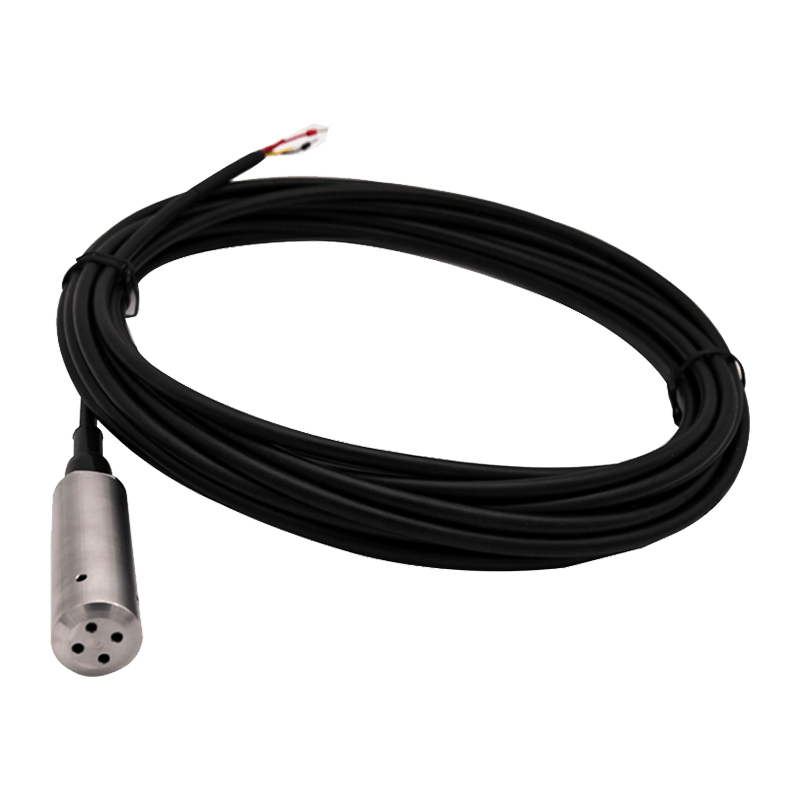
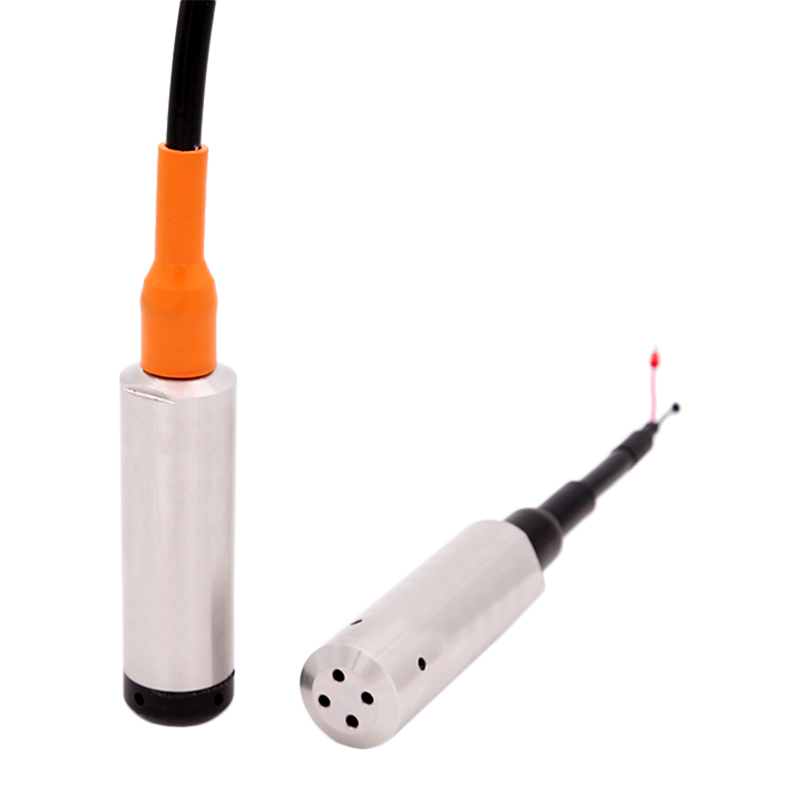
Among contact-based devices, the Hydrostatic Level Transmitter remains widely used due to its simplicity and cost-effectiveness. It measures the liquid pressure at the bottom of a tank to infer the liquid level. Hydrostatic transmitters are highly effective for clean liquids, open tanks, and moderate industrial conditions. They are commonly employed in water treatment plants, wastewater management, and storage tanks.
Despite these applications, hydrostatic transmitters are limited when handling aggressive, viscous, or high-temperature fluids. In such cases, non-contact transmitters outperform hydrostatic devices by offering higher reliability, longer service life, and reduced maintenance requirements.
Technological Innovations in Liquid Level Sensors
The development of modern Liquid Level Sensor technologies has transformed industrial monitoring. Non-contact radar and ultrasonic sensors have been integrated with advanced digital signal processing, providing accurate level measurements even in challenging conditions such as foam, vapor, or turbulence. Additionally, these devices can communicate seamlessly with automation systems, enabling predictive maintenance and remote monitoring. This aligns with the goals of modern smart factories, where real-time data collection and system integration are critical.
For example, companies like ASY Electronics (JiaXing) Co.,Ltd. leverage their expertise in Liquid Level Sensor development to provide integrated solutions for equipment condition monitoring, energy management, and process optimization. By combining edge-layer hardware with industrial data integration, they deliver systems that support precise control of liquid processes while enhancing operational safety and efficiency. The company’s solutions enable accurate monitoring of temperature, pressure, and flow, providing a standardized data foundation for production control and energy management.
Integration of Level Transmitters in Smart Factory Systems
Modern industrial systems increasingly require automated monitoring and data-driven management. Level Transmitters play a key role in these systems by providing real-time information for process control, inventory management, and safety monitoring. Integration with programmable logic controllers (PLCs) and supervisory control and data acquisition (SCADA) systems ensures seamless communication and operational efficiency.
ASY Electronics (JiaXing) Co.,Ltd. has implemented these principles by providing solutions that integrate Level Transmitters with intelligent connectivity. Their products allow for remote monitoring, predictive maintenance, and comprehensive energy consumption management. By leveraging power line-based data transmission, the company ensures reliable communication across complex industrial environments, reducing costs and improving data reliability.
Key Factors to Consider When Selecting a Level Transmitter
When selecting a level transmitter, several factors determine the suitability of a contact or non-contact device:
- Liquid Characteristics: The viscosity, chemical composition, and temperature of the liquid can influence sensor performance. Non-contact sensors are preferred for corrosive or high-temperature fluids.
- Measurement Range: Long-range measurement requirements are better addressed by radar or ultrasonic non-contact devices.
- Maintenance and Lifecycle: Non-contact sensors generally require minimal maintenance, extending operational life.
- Installation Environment: Harsh or hard-to-access locations favor non-contact solutions.
- Integration Needs: Consider the compatibility of the transmitter with existing automation systems for data collection, analysis, and control.
Comparative Table of Key Considerations
| Consideration |
Contact Level Transmitter |
Non-Contact Level Transmitter |
| Liquid Type |
Best for clean, non-corrosive liquids |
Suitable for corrosive, abrasive, and high-temperature liquids |
| Maintenance |
High due to fouling and wear |
Low; minimal intervention required |
| Installation Complexity |
Moderate |
Flexible; can be installed in difficult locations |
| Measurement Accuracy |
Moderate |
High, consistent in various conditions |
| Cost |
Lower initial cost |
Higher initial cost, offset by long-term savings |
Future Trends in Level Measurement
Advancements in smart manufacturing and industrial IoT are driving the adoption of non-contact Level Transmitters. Integration of artificial intelligence and predictive analytics with Liquid Level Sensor data enables proactive process control, anomaly detection, and optimization of energy consumption. Companies like ASY Electronics (JiaXing) Co.,Ltd. are at the forefront of developing systems that combine precise measurement with intelligent data processing, contributing to safer, more efficient, and sustainable industrial operations.
These technological trends highlight the advantages of non-contact transmitters in supporting modern industrial requirements, from automated process control to smart factory data integration. They ensure accurate, reliable, and maintenance-free operation in environments where traditional contact-based devices may fail.
FAQ
Q1: What is the primary difference between contact and non-contact level transmitters?
The main difference lies in the measurement approach. Contact transmitters interact directly with the liquid, while non-contact transmitters use radar, ultrasonic, or laser signals, avoiding physical contact.
Q2: Can non-contact level transmitters handle corrosive liquids?
Yes, non-contact transmitters are ideal for corrosive, high-temperature, or abrasive liquids, as they do not directly touch the medium, reducing the risk of sensor damage.
Q3: How does a hydrostatic level transmitter work?
A hydrostatic level transmitter measures the pressure exerted by the liquid column to calculate the level. It is commonly used for clean liquids in moderate industrial conditions.
Q4: Why are non-contact level transmitters preferred in smart factories?
Non-contact transmitters provide accurate, maintenance-free measurements and integrate easily with automation and IoT systems, supporting predictive maintenance and process optimization.
Q5: How often do non-contact level transmitters require calibration?
Non-contact transmitters typically require minimal calibration, often only during initial installation or after significant process changes, due to their stable and reliable operation.