How Do Differential Pressure Transducers Improve Measurement Accuracy in Industrial Processes?
In modern industrial automation, precise pressure measurement is a foundational requirement for maintaining process stability and optimizing system performance. Among various sensing technologies, differential pressure transducers play a critical role in accurately detecting pressure differences between two points in a system, enabling reliable monitoring of flow, level, and filtration conditions. Compared with traditional measurement methods, they provide higher sensitivity, stronger adaptability, and better long-term stability under varying process conditions.
Working Principle and Accuracy Enhancement Mechanism
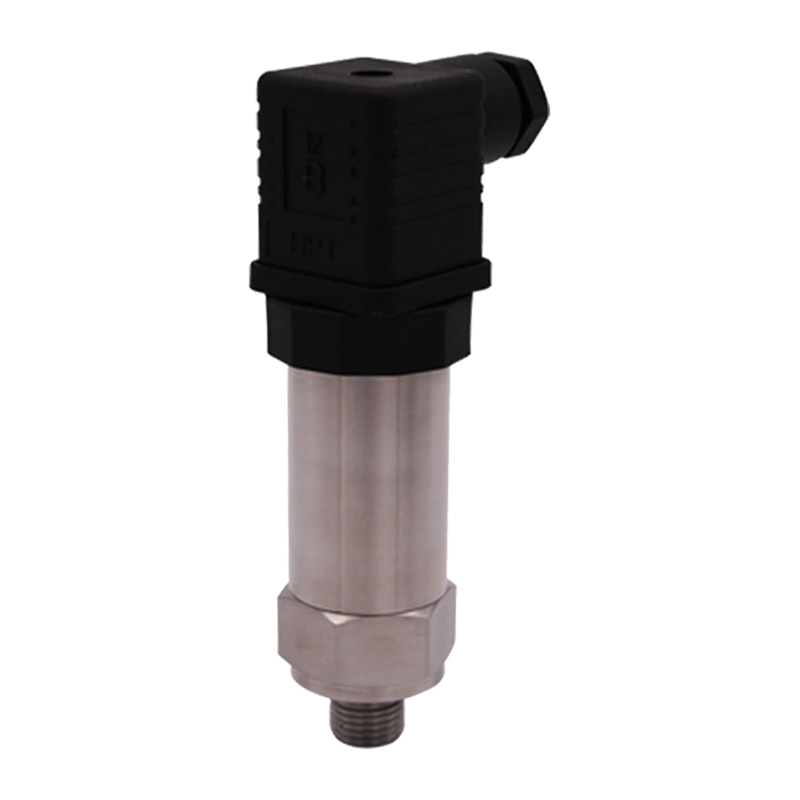
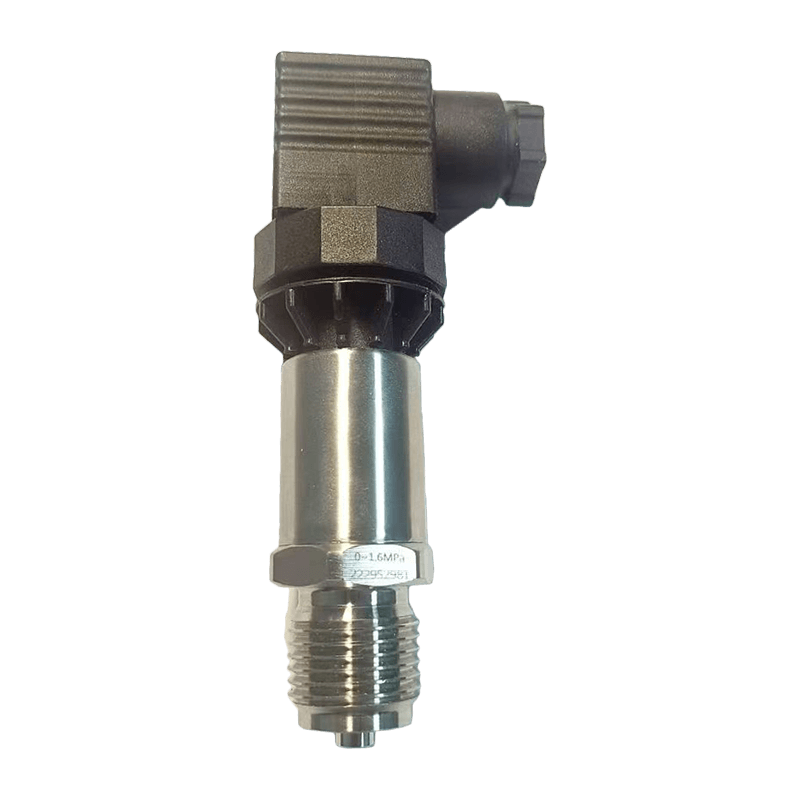
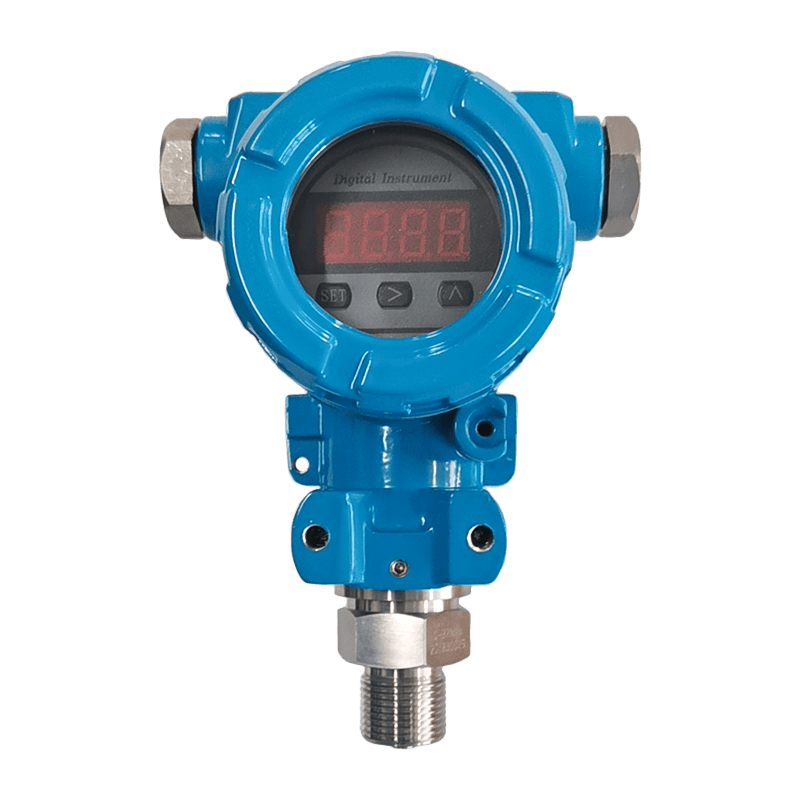
A differential pressure sensor operates by measuring the pressure difference between two independent pressure ports. This difference is converted into an electrical signal, which is then processed and transmitted through a pressure transmitter for system integration.
The accuracy improvement mainly comes from:
- High-resolution sensing elements that reduce signal drift
- Temperature compensation to maintain stability in fluctuating environments
- Digital signal processing to minimize noise interference
- Isolation structures that protect measurement integrity
These features allow consistent performance even in harsh industrial environments such as high temperature, humidity, or corrosive media.
Key Functional Advantages in Industrial Applications
Differential pressure technology is widely used in filtration monitoring, flow measurement, and liquid level detection. Its ability to convert pressure differences into stable output signals makes it essential for automation systems.
| Function Area |
Industrial Use |
Measurement Benefit |
Key Feature |
| Flow Measurement |
Pipeline systems |
Accurate flow calculation |
Stable differential signal |
| Filter Monitoring |
Dust/liquid filtration |
Detect clogging early |
High sensitivity detection |
| Level Measurement |
Closed tanks |
Non-contact level estimation |
Pressure balance detection |
| Energy Management |
HVAC & utilities |
Optimize energy usage |
Continuous monitoring |
These applications demonstrate how differential pressure transducers contribute to both operational safety and efficiency improvement.
Material and Structural Design Impact
The performance of a pressure transmitter is strongly influenced by its structural design and material selection. Industrial-grade devices often adopt corrosion-resistant alloys and high-strength diaphragms to ensure long-term reliability.
| Component |
Common Material |
Function |
Performance Advantage |
| Sensor Diaphragm |
Stainless steel / ceramic |
Pressure detection |
Corrosion resistance |
| Housing |
Aluminum alloy |
Protection structure |
Mechanical durability |
| Seal System |
Elastomer compounds |
Isolation sealing |
Leak prevention |
| Electronic Module |
Industrial-grade PCB |
Signal processing |
Stable output accuracy |
These design choices ensure the differential pressure sensor maintains precision even under continuous operation.
Integration in Smart Industrial Systems
In advanced manufacturing environments, measurement devices are no longer standalone components. They are integrated into digital systems for real-time monitoring and optimization.
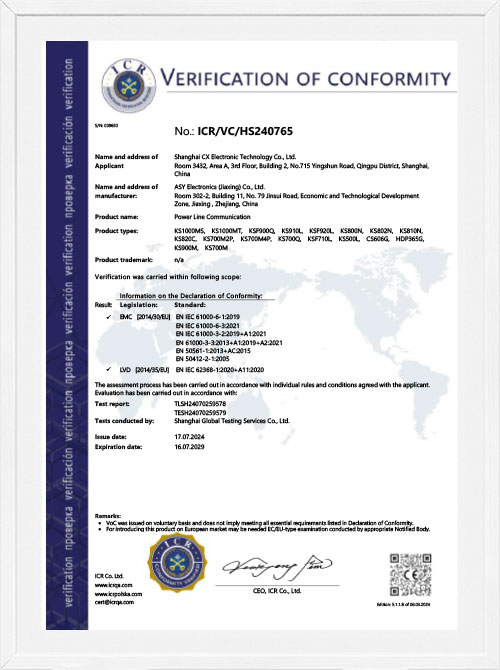
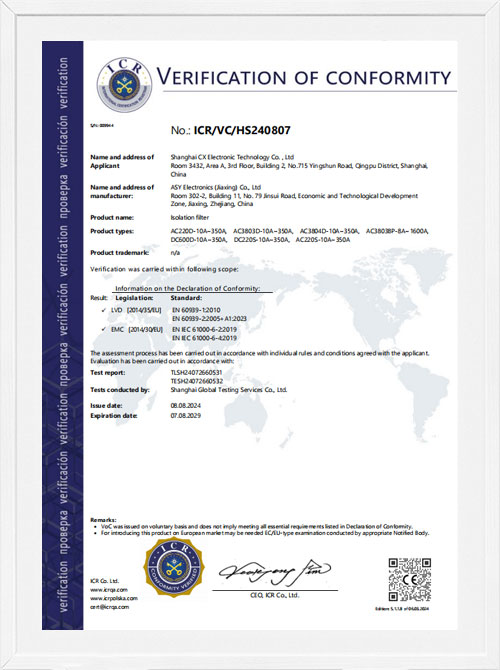
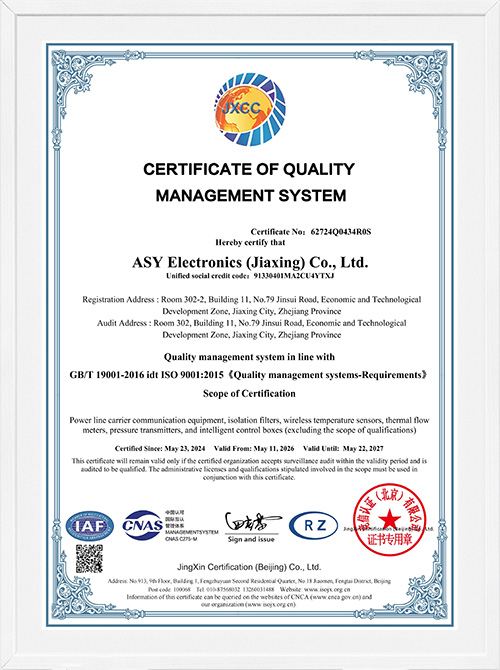
ASY Electronics (JiaXing) Co.,Ltd. focuses on building intelligent industrial ecosystems through high-precision sensing and connectivity technologies. The company develops high-precision transmitters, flow meters, and other industrial devices that support process automation and energy optimization.
By combining data sensing and intelligent connectivity, ASY Electronics (JiaXing) Co.,Ltd. enables seamless data flow from field devices to control systems, improving decision-making efficiency and production reliability. Its solutions are widely applied in equipment condition monitoring, energy management, and process optimization.
In addition, ASY also integrates broadband PLC communication technology, ensuring stable industrial data transmission and supporting large-scale IoT deployment across factory environments.
Role in Process Optimization and Accuracy Improvement
The integration of differential pressure transducers into industrial systems significantly improves measurement accuracy through:
- Continuous real-time data acquisition
- Reduced manual calibration requirements
- Enhanced process feedback speed
- Improved system-level synchronization
When paired with intelligent control systems and pressure transmitter networks, they help maintain stable operating conditions and reduce process variability.
FAQ
Q1: What is the main function of a differential pressure transducer?
It measures the pressure difference between two points and converts it into an electrical signal for monitoring and control.
Q2: How does a differential pressure sensor improve accuracy?
It uses high-sensitivity elements and signal compensation technologies to reduce drift and noise interference.
Q3: Where are differential pressure transducers commonly used?
They are widely used in flow measurement, filtration systems, HVAC management, and liquid level monitoring.
Q4: What is the difference between a pressure transmitter and a differential pressure sensor?
A differential pressure sensor detects pressure differences, while a pressure transmitter converts and outputs standardized signals for system integration.
Q5: Why are materials important in these devices?
Material selection affects corrosion resistance, durability, and long-term measurement stability in industrial environments.