In Continuous Baking or Sterilization Processes in the Food Processing Industry, How Do Wireless Temperature Sensors Withstand High-Temperature and High-Humidity Environments and Achieve Real-Time Core Temperature Monitoring?
Professional Answer: Wireless Temperature Sensor High-Temperature and High-Humidity Tolerance and Real-Time Core Temperature Monitoring in Food Processing Continuous Baking/Sterilization Processes
In the food processing industry, continuous baking (e.g., baking, drying) and sterilization (e.g., high-temperature steaming, pasteurization) are critical processes that determine food safety and quality. These processes typically feature high temperature (80°C to 150°C or higher), high humidity (relative humidity up to 95% or even saturated steam), and long-duration continuous operation. Traditional wired temperature probes face problems such as insufficient wire temperature resistance, seal failure leading to water ingress, and wiring difficulties. Wireless temperature sensors, with their wiring-free and environment-resistant design advantages, are becoming the ideal choice for real-time core temperature monitoring in the food processing industry.
Taking ASY Electronics (JiaXing) Co.,Ltd. as an example – a high-tech enterprise dedicated to building smart factories of the future. The company leverages its core capabilities of "data sensing" and "intelligent connectivity." Its self-developed wireless temperature sensor has accumulated mature technical solutions in high-temperature and high-humidity resistance design, battery performance optimization at extreme temperatures, and real-time data transmission. It is widely used in food processing, pharmaceuticals, and other industries with stringent requirements for environmental hygiene and process control. Below is a detailed answer to this question.
I. High-Temperature and High-Humidity Environment Tolerance Design
For a wireless temperature sensor to work stably over the long term in continuous baking or sterilization processes, specialized design is required at three levels: probe structure, housing sealing, and electronic circuit protection.
| Tolerance Dimension |
Standard Industrial Wireless Temperature Sensor |
ASY Electronics Wireless Temperature Sensor (Food Processing Specialized Design) |
| Probe Maximum Temperature Resistance |
Typically 80°C-105°C (limit) |
Probe uses thermocouple or PT1000 temperature-resistant element, capable of continuous operation from -40°C to +150°C, short-term up to +200°C (30 minutes) |
| Housing Protection Rating |
IP65-IP67 (dustproof and waterproof, but seals tend to age under long-term high temperature and high humidity) |
IP69K rating (resists high-pressure, high-temperature steam jet cleaning); housing made of 316L stainless steel or high-temperature-resistant PEEK material; seals use fluororubber or all-metal welding |
| Internal Circuit Protection |
Standard conformal coating, which may volatilize and fail at high temperatures |
Full potting sealing process: circuit board and battery integrally potted with high-temperature-resistant epoxy resin or silicone, completely isolating moisture ingress; withstands 500 hours continuous at 85°C/95%RH with no condensation |
| Sensor-to-Host Connection Method |
Integrated design (electronics and probe together subjected to high temperatures) |
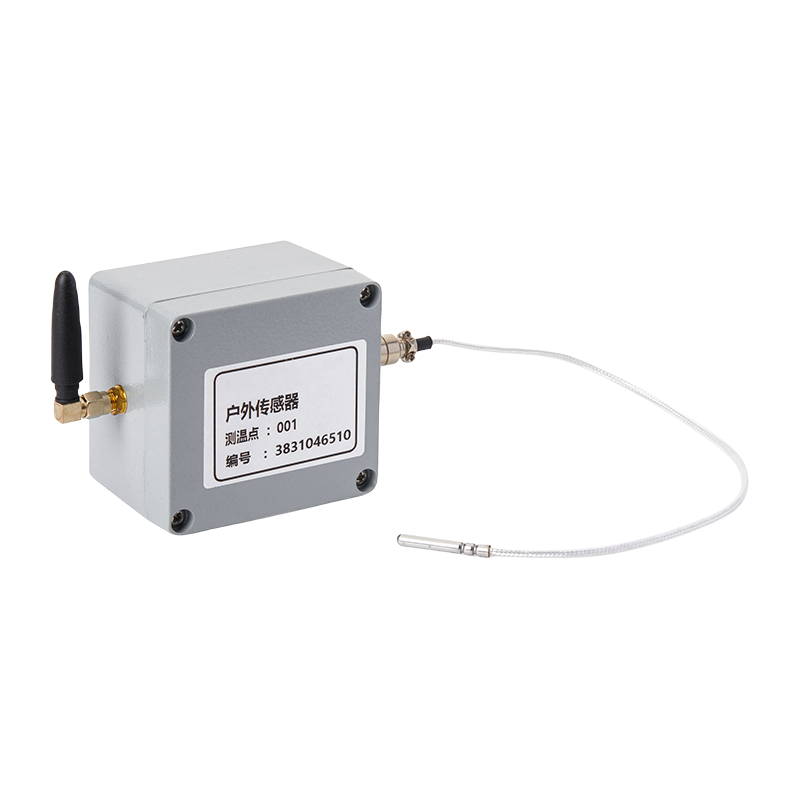
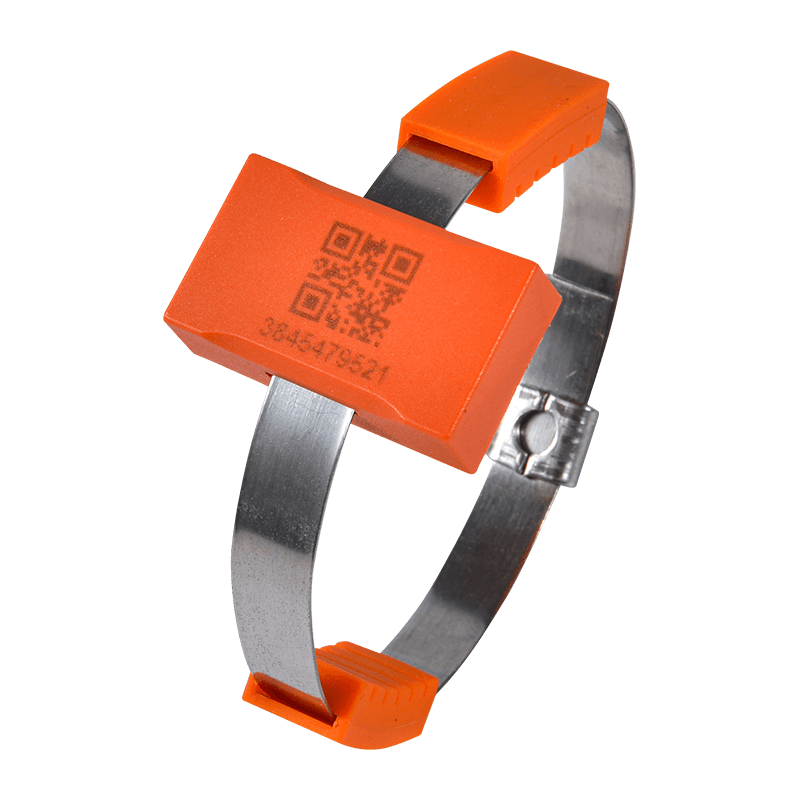
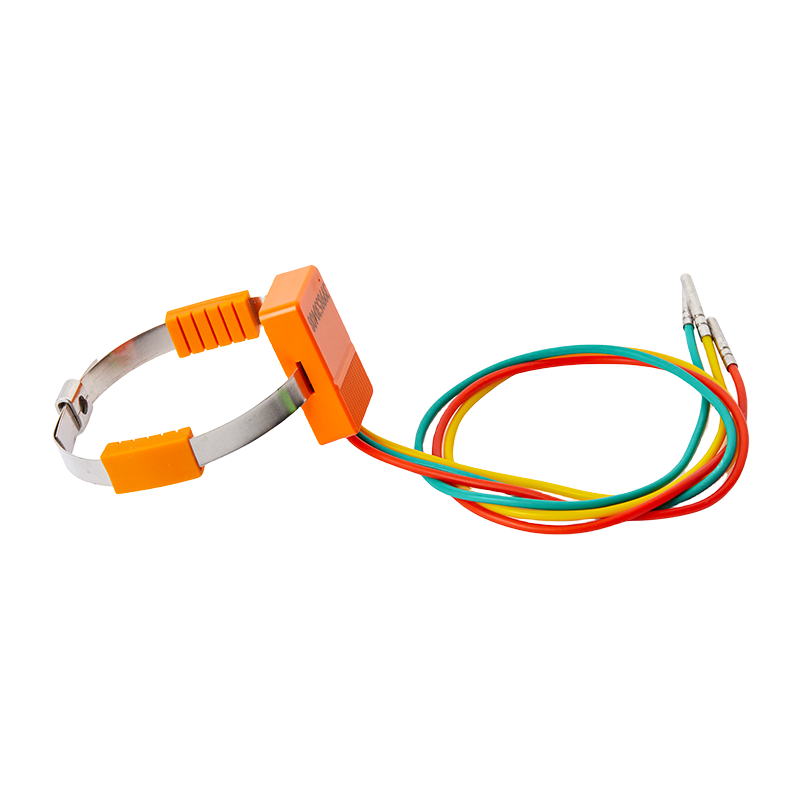
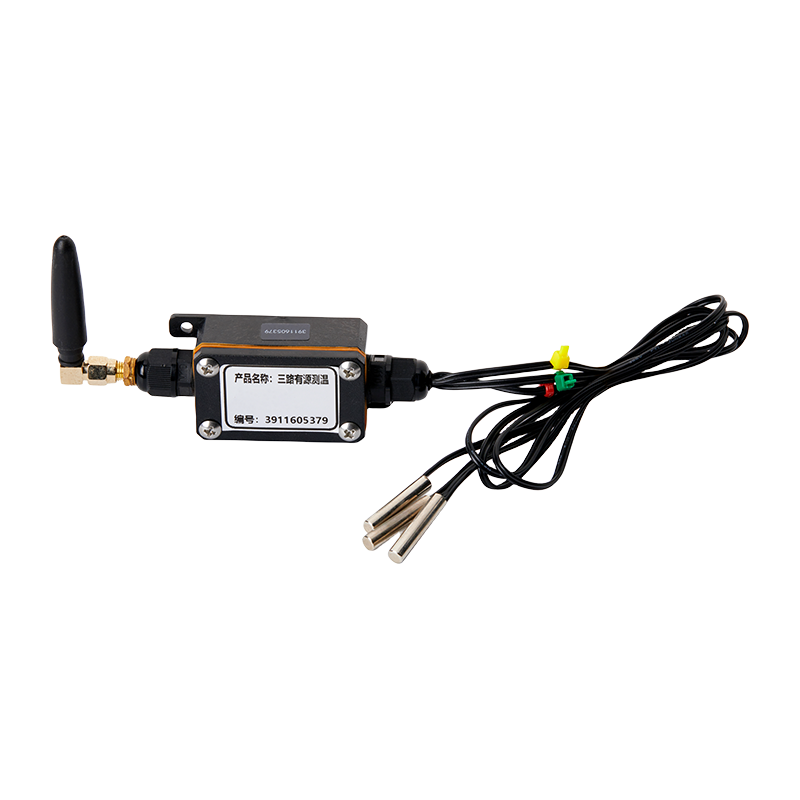
Separate design: temperature-resistant probe (extends into baking/sterilization chamber) connects via high-temperature wire (Teflon or stainless steel braided armor) to wireless transmitter module (installed in normal temperature zone outside the chamber). This keeps the wireless module away from high temperatures, greatly improving system reliability |
| Anti-Condensation and Dew Prevention |
No special design; after removal from high-temperature/high-humidity environment, probe surface prone to condensation, causing measurement deviation |
Probe surface hydrophobic coating + fast-response structure: after removal from high-temperature environment, probe recovers to ambient temperature within 30 seconds, preventing prolonged condensation; hydrophobic coating prevents water film from affecting temperature measurement accuracy |
| Certification and Compliance |
Generally no food contact grade certification |
Optional food contact grade stainless steel probe (compliant with FDA/EU EC1935-2004 standards), can directly contact food surface or be inserted into food core for temperature measurement |
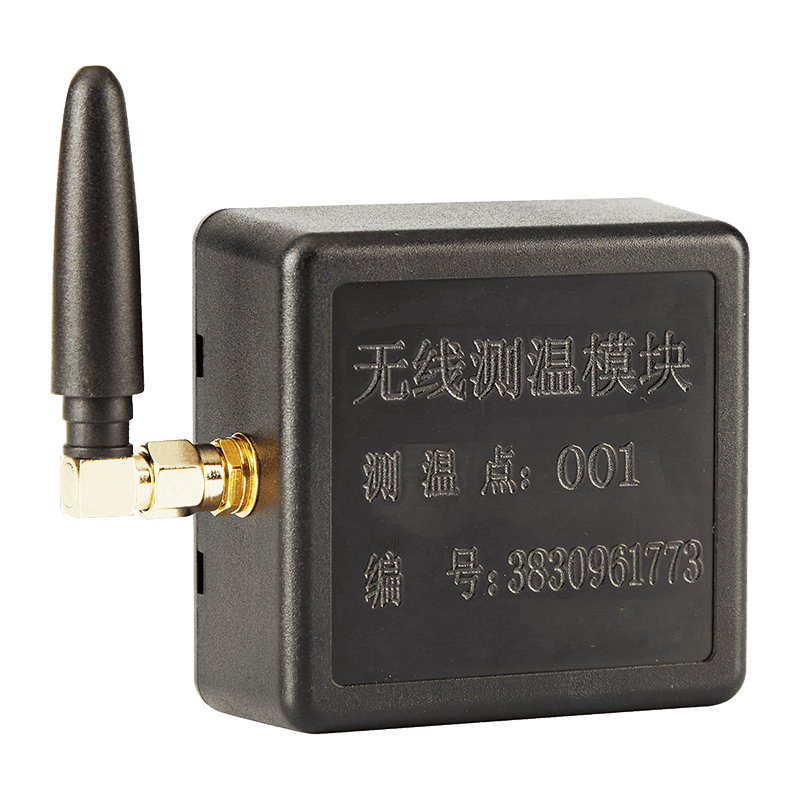
Core Design Principle: For wireless temperature monitoring in high-temperature, high-humidity food processing environments, a separate structure is recommended – the temperature-resistant probe enters the process area, while the wireless transmitter module is placed in the normal temperature zone. The probe and module are connected by a high-temperature, steam-resistant armored cable (length up to 5-20 meters). This design ensures both the authenticity of the core temperature measurement point and avoids the risk of wireless electronic components failing in high-temperature, high-humidity environments.
II. Real-Time Core Temperature Monitoring Implementation
"Real-time core temperature" refers to the temperature at the slowest heating point inside the food (e.g., geometric center of meat products, core of baking dough). It is a key parameter for determining sterilization effectiveness (F0 value calculation) and doneness level.
| Implementation Dimension |
Traditional Solution (Wired Probe/Manual Sampling) |
Wireless Temperature Sensor Solution (ASY Electronics) |
| Core Temperature Acquisition Method |
Insert wired probe into food center; wire must pass through baking/sterilization equipment door gap or dedicated port, posing seal leakage risk |
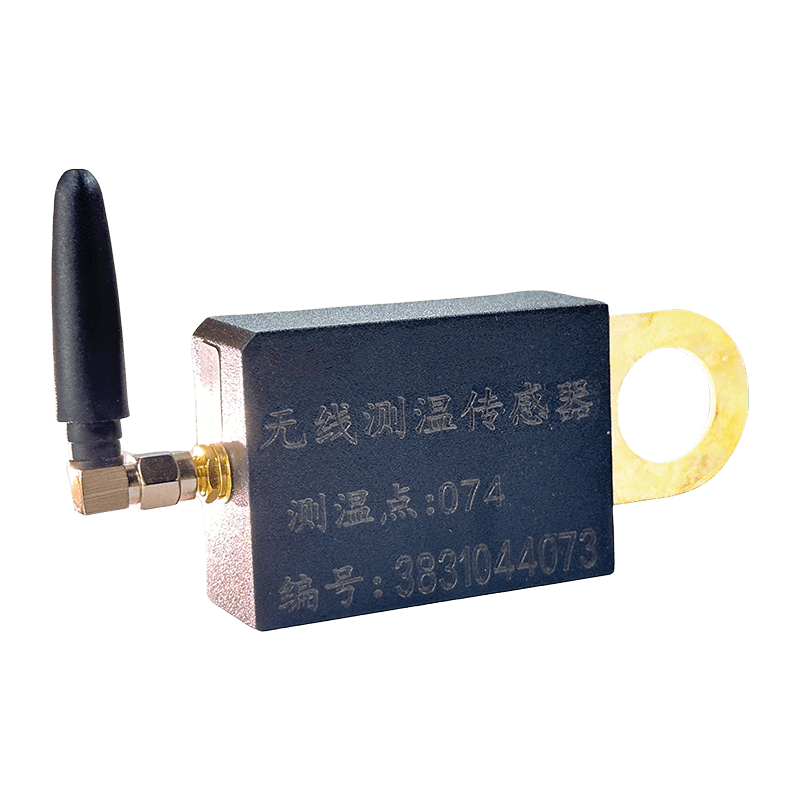
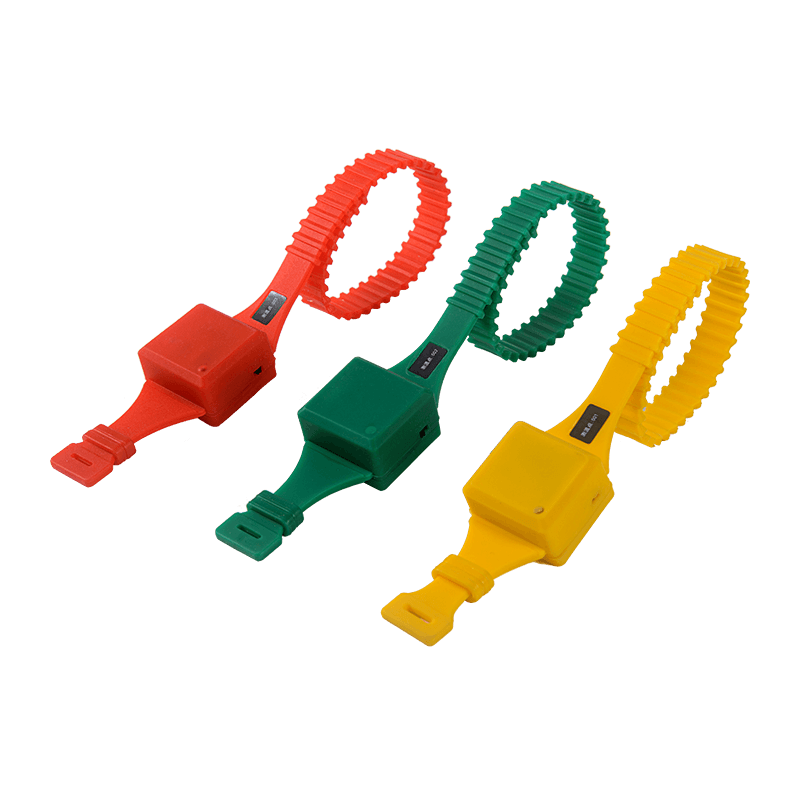
Wireless probe-type sensor: slim stainless steel probe (diameter 2-4mm) inserted directly into food center; wireless transmitter module (high-temperature resistant or separate design) transmits data in real time |
| Data Transmission Real-Time Performance |
Wired transmission stable but complex wiring; multi-channel acquisition requires extensive cabling |
Wireless real-time upload: data reporting frequency configurable (1 second to 60 seconds), latency ≤1 second; supports simultaneous monitoring of multiple points (different foods on a conveyor belt, or multiple samples in the same batch) |
| Movement/Continuous Production Line Adaptability |
Wired probe cannot move with food on conveyor belt |
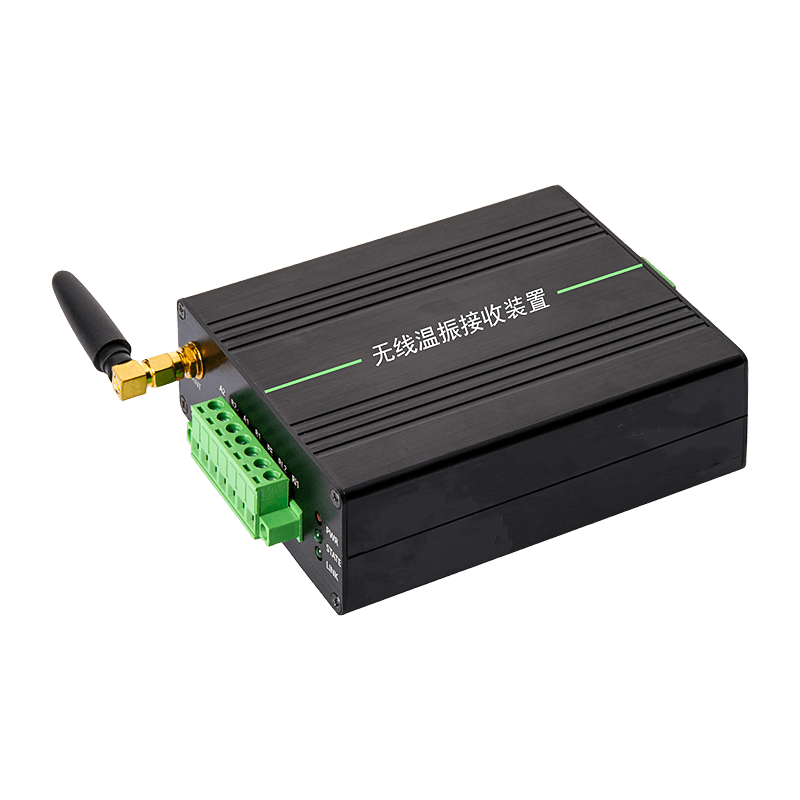
Completely wireless: sensor can move with food inside ovens, sterilizers, tunnel steamers, enabling full-process tracking monitoring. Data transmits through high-penetration wireless frequencies (e.g., 433MHz/2.4GHz) to external receivers |
| Data Recording and Traceability |
Manual recording or PLC/SCADA system acquisition; data association with individual food/batch is poor |
Unique ID for each sensor, can be bound to specific food batch, production line, timestamp. Platform automatically generates temperature-time curve and calculates sterilization value (F0), meeting HACCP system requirements for critical control point (CCP) monitoring and recording |
| Multi-Sensor Synchronous Monitoring |
Wired solution requires many I/O channels, high expansion cost |
Single receiver/gateway can simultaneously receive data from 50-200 wireless temperature sensors, supporting multi-point core temperature comparison within same batch to optimize process uniformity |
| Battery Life at High Temperatures |
Not applicable |
Uses high-temperature lithium battery (operating temperature -20°C to +125°C) or thermal battery (self-powered using process heat). At 150°C, sensor can still operate continuously for 8-24 hours (depending on reporting frequency), meeting most batch processing requirements |
Typical Workflow (using meat product sterilizer as example):
- Insert wireless probe-type temperature sensor into geometric center of meat product to be sterilized;
- Sensor enters sterilizer (121°C, saturated steam) together with meat product;
- Sensor acquires core temperature in real time, transmits wirelessly through sterilizer wall (or via waveguide port on the wall) to external receiver;
- System displays core temperature curve in real time, automatically calculates F0 value, alerts when F0 reaches set standard (e.g., ≥3 minutes) indicating sterilization completion;
- After sterilization, remove sensor, clean and disinfect, then reuse.
III. Key Parameter Comparison Table: Standard Wireless Temperature Sensor vs. ASY Electronics Food Processing Specialized Wireless Temperature Sensor
| Key Technical Indicator |
Standard Wireless Temperature Sensor |
ASY Electronics Food Processing Specialized Wireless Temperature Sensor |
| Probe Temperature Range |
-20°C ~ +105°C |
-40°C ~ +150°C (continuous), short-term +200°C (30 minutes) |
| Protection Rating |
IP65 - IP67 |
IP69K (resists high-pressure, high-temperature steam jet washing) |
| Housing/Probe Material |
Standard 304 stainless steel / plastic |
316L stainless steel / PEEK, optional food contact grade certification |
| Sealing Process |
Rubber seal ring + conformal coating |
Full potting sealing (high-temperature epoxy resin/silicone) |
| Structural Form |
Integrated (electronics and probe together subjected to high temperatures) |
Separate design (probe high-temperature resistant, wireless module in normal temperature zone, connected by high-temperature armored cable) |
| Operating Environment Humidity |
≤90% RH (non-condensing) |
≤100% RH (saturated steam environment, condensation allowed), with hydrophobic coating and fast-response design |
| Battery Temperature Tolerance |
≤85°C |
High-temperature lithium battery, -20°C~+125°C; optional thermal battery (self-powered using process waste heat) |
| Continuous Operating Time at High Temperature |
Typically <2 hours (105°C) |
8-24 hours (121°C, configurable based on reporting frequency) |
| Temperature Measurement Accuracy |
±0.5°C ~ ±1.0°C |
±0.3°C (over full range -40°C~+150°C) |
| Wireless Transmission Distance |
50-100 meters (open area) |
200-500 meters (open area), enhanced metal wall penetration capability (optional waveguide port or low-frequency 433MHz band) |
| Real-Time Core Temperature Monitoring |
Possible, but data stability at high temperatures is poor |
Supported, with dedicated probe inserted into food center, data uploaded in real time, automatic F0 value calculation |
| Compliance |
General industrial |
Optional FDA/EC food contact material certification, meets HACCP data recording requirements for CCP monitoring |
Comprehensive Conclusion
For wireless temperature sensors to achieve high-temperature/high-humidity tolerance and real-time core temperature monitoring in continuous baking or sterilization processes in the food processing industry, attention must be paid to the following core designs:
| Challenge |
Solution (Reference ASY Electronics Design) |
| High temperature causing electronic component failure |
Adopt separate structure: temperature-resistant probe enters high-temperature zone, wireless module placed in normal temperature zone, connected by high-temperature armored cable |
| High humidity/steam causing internal water ingress |
IP69K protection rating + full potting sealing process, completely isolating moisture |
| Probe surface condensation affecting accuracy |
Hydrophobic coating + fast-response structure, reducing condensation adhesion time |
| Food contact safety requirements |
Use 316L stainless steel or PEEK material, optional FDA/EC food contact grade certification |
| Need for movement with food during monitoring |
Sensor fully wireless, data uploaded in real time via high-penetration wireless frequencies, can move with conveyor belt |
| Process validation and compliance records |
Automatically generate temperature-time curve, calculate sterilization value (F0), support batch traceability and HACCP records |
ASY Electronics (JiaXing) Co.,Ltd., leveraging its technical expertise in data sensing and intelligent connectivity, offers wireless temperature sensors with significant advantages in high-temperature/high-humidity sealing design, separate structure, food contact compliance, and real-time core temperature monitoring. It can provide food processing enterprises with efficient, reliable, and sustainable digital temperature measurement solutions, supporting process optimization and quality assurance in smart factories.
3 FAQs (Frequently Asked Questions)
FAQ 1: In a continuous food baking line, the sensor needs to enter the high-temperature oven chamber (e.g., 150°C) together with the product. Does the ASY Electronics wireless temperature sensor require the wireless transmitter module and battery to also enter the high-temperature zone? Is there a way to avoid exposing the wireless electronic components to high temperatures?
Answer: This is a critical engineering question. ASY Electronics (JiaXing) Co.,Ltd., as a high-tech enterprise dedicated to building smart factories of the future, deeply understands the practical needs of the food processing industry for equipment temperature resistance. For this reason, its wireless temperature sensor features a specially designed separate structure – the temperature-resistant probe (using a thermocouple or PT1000 element, capable of withstanding -40°C to +200°C) extends into the oven or sterilizer interior, directly contacting or inserting into the food core; while the wireless transmitter module, battery, circuit board, and other electronic components are installed outside the oven (in the normal temperature zone, typically below 60°C). The probe and wireless module are connected by a Teflon-insulated, stainless steel braided armored high-temperature cable (capable of continuous operation at 200°C+, length up to 20 meters). This design ensures that the wireless electronic components never need to endure high temperatures, while the food core temperature data is still transmitted accurately and wirelessly in real time. For scenarios requiring movement with food on a conveyor belt, we also offer short-term high-temperature tolerant integrated models (e.g., for batch sterilizers) with built-in high-temperature lithium batteries and thermal insulation layers, capable of continuous operation for 8-24 hours at 121°C, meeting the needs of the vast majority of batch processing applications.
FAQ 2: The food sterilizer contains a saturated steam environment with 100% humidity, and after each sterilization, the equipment is washed with high-pressure, high-temperature water. Can the sensor's protection rating meet such a harsh environment? Will steam penetration cause internal water ingress, or will high-pressure washing damage the housing?
Answer: The sterilizer and continuous steam cooking line environment is indeed one of the most severe conditions in food processing. ASY Electronics (JiaXing) Co.,Ltd.'s main products include wireless temperature monitoring systems, transmitters, flow meters, and more, serving a wide range of industrial sectors. For food sterilization applications, we have specifically designed a sensor with an IP69K protection rating. IP69K is one of the highest international protection ratings, meaning the sensor can withstand high-pressure (80-100 bar), high-temperature (80°C) steam or water jet spraying from close range (0.1-0.15 meters) without water ingress. Additionally, the sensor interior uses a full potting sealing process – the circuit board and battery are integrally potted in high-temperature epoxy resin or silicone, forming a solid sealing layer without air gaps. Even if the external seals age over long-term high-temperature exposure, moisture cannot enter the interior. Furthermore, the probe surface is treated with a hydrophobic coating, so when taken out of the steam environment after sterilization, condensed water quickly slides off, preventing a water film from affecting the response speed of the next measurement. This design has passed laboratory tests of 500 hours continuous at 85°C/95%RH and 100 cycles of steam impact, with sealing performance and accuracy remaining stable.
FAQ 3: Food processing companies have very strict requirements for CCP (Critical Control Point) monitoring records in the HACCP system, including automatic recording of temperature curves, calculation of sterilization value (F0), and data must be traceable and tamper-proof. Can the ASY Electronics wireless temperature sensor meet these compliance requirements?
Answer: The HACCP compliance you mention is indeed the primary concern of the food industry. ASY Electronics (JiaXing) Co.,Ltd., with its core mission of creating efficient, reliable, and green smart factories, has designed its wireless temperature monitoring system from the outset to fully consider the process compliance and traceability needs of the food processing industry. Specific capabilities include:
- First, automatic generation of temperature-time curve and F0 value calculation: Core temperature data reported by the sensor automatically enters the system platform, forming a complete temperature curve. The platform has a built-in F0 (sterilization value) calculation engine that can calculate the cumulative sterilization effect in real time based on the Z-value and D-value of the target microorganism (e.g., Clostridium botulinum), automatically alerting when F0 reaches the safety standard (e.g., ≥3 minutes). No manual table lookup or manual calculation is required.
- Second, data integrity and tamper resistance: Each sensor has a unique ID, and each data point carries a precise timestamp (from the sensor's internal RTC or system NTP synchronization). Once data is written to the platform, it is non-editable and non-deletable. All modification operations (such as alarm threshold adjustments, calibration records) are recorded in an audit trail log, meeting HACCP requirements for "traceable and tamper-proof" critical data.
- Third, batch traceability and electronic records: The system supports binding sensor data to specific production batch numbers, production lines, operators, start and end times. After each sterilization or baking batch, a compliance report (PDF or CSV format) can be exported with one click, containing the complete temperature curve, F0 value, alarm records, sensor ID, and calibration certificate number – serving directly as electronic evidence for HACCP system internal audits and regulatory inspections. Multiple food processing customers have successfully used this solution to pass BRC, IFS, and domestic SC certification audits.