What Are Process Transmitters and How Do They Work in Industrial Applications?
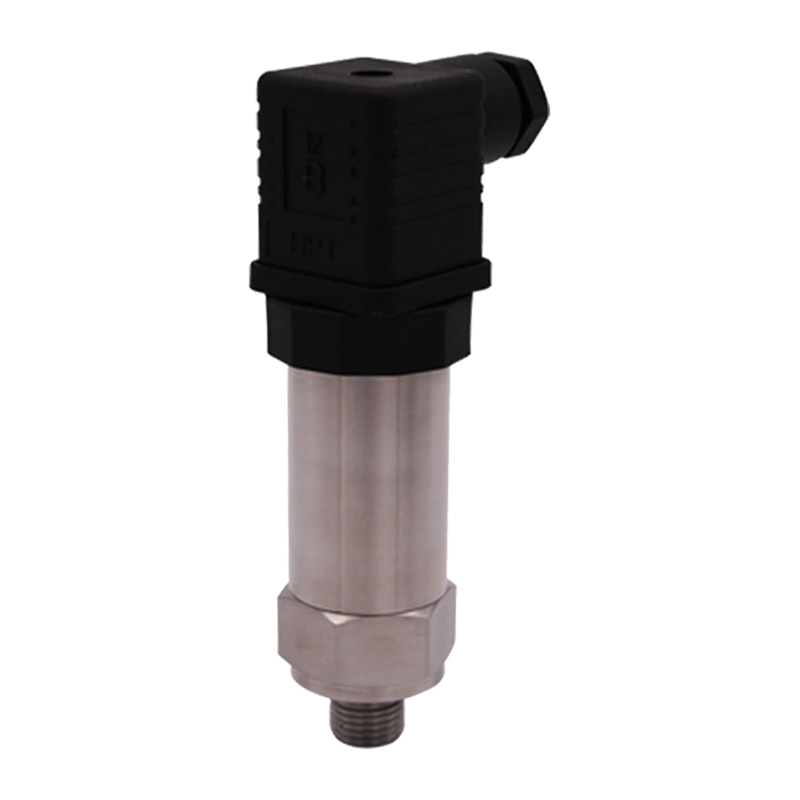
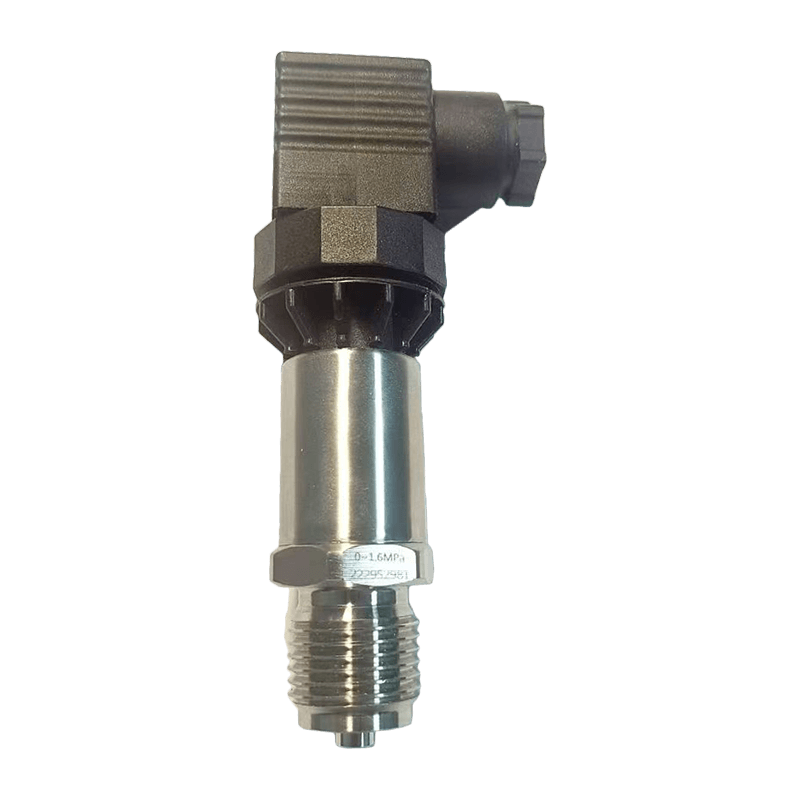
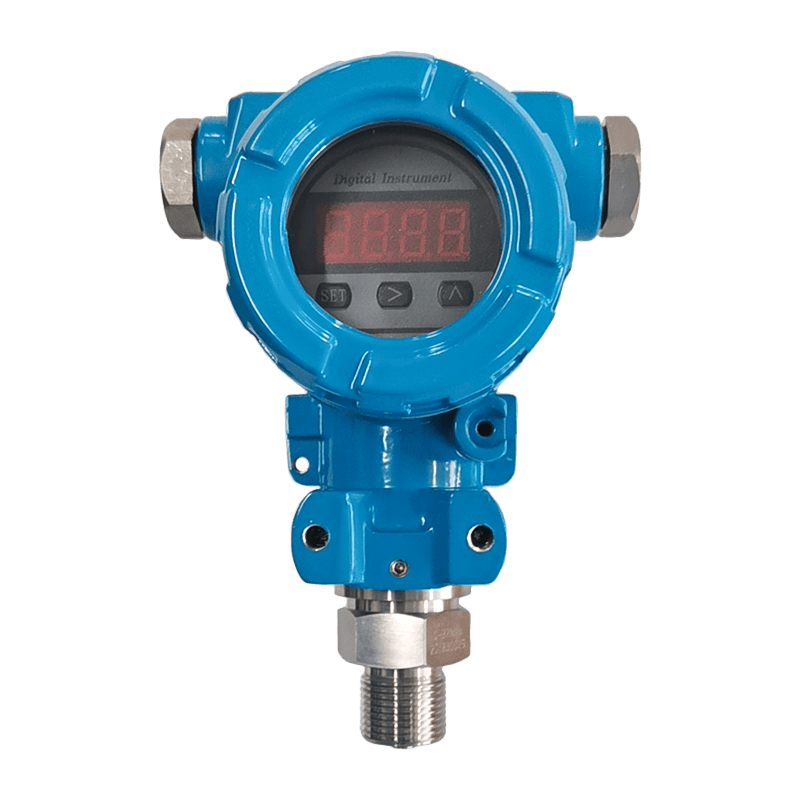
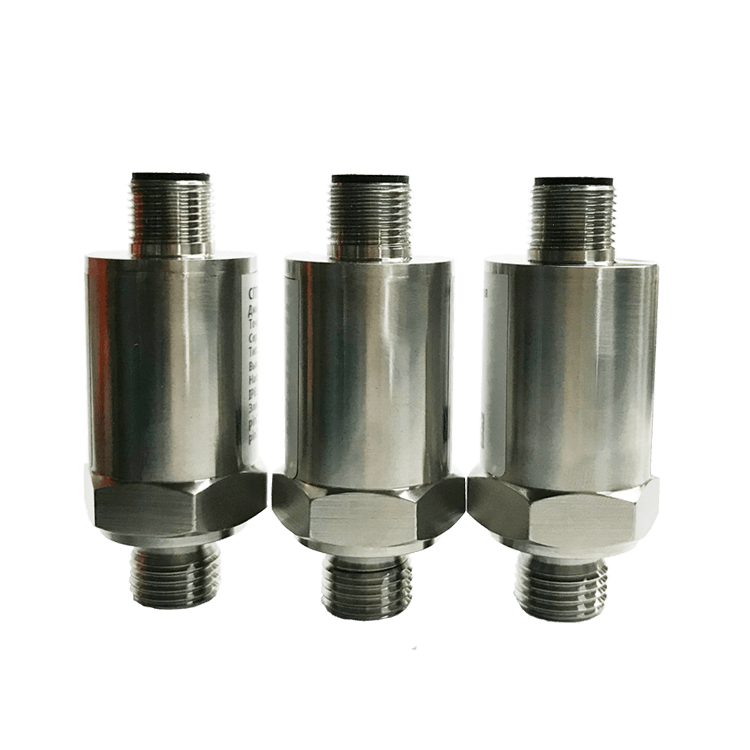
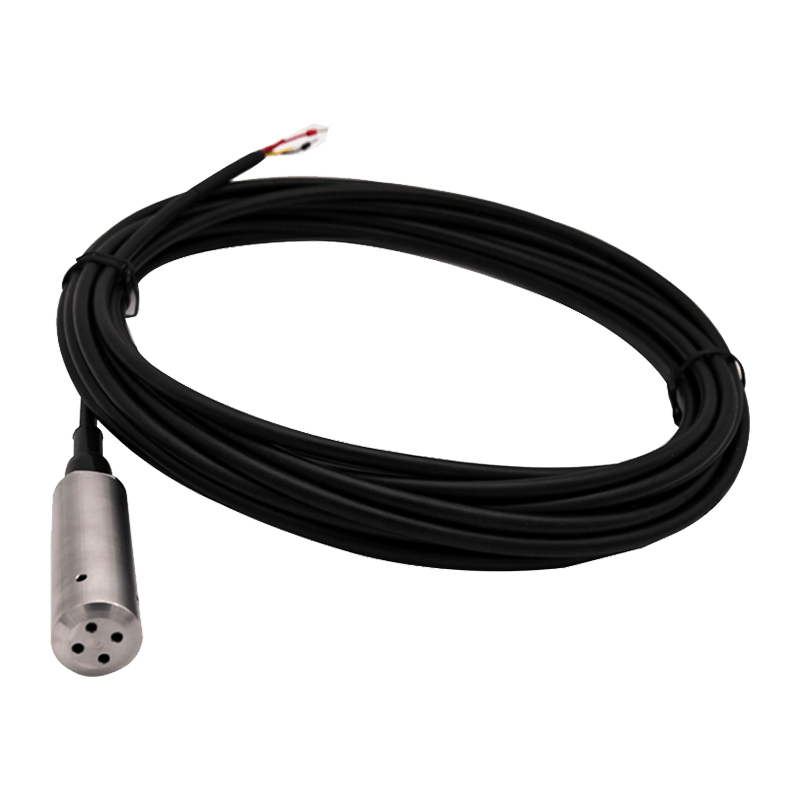
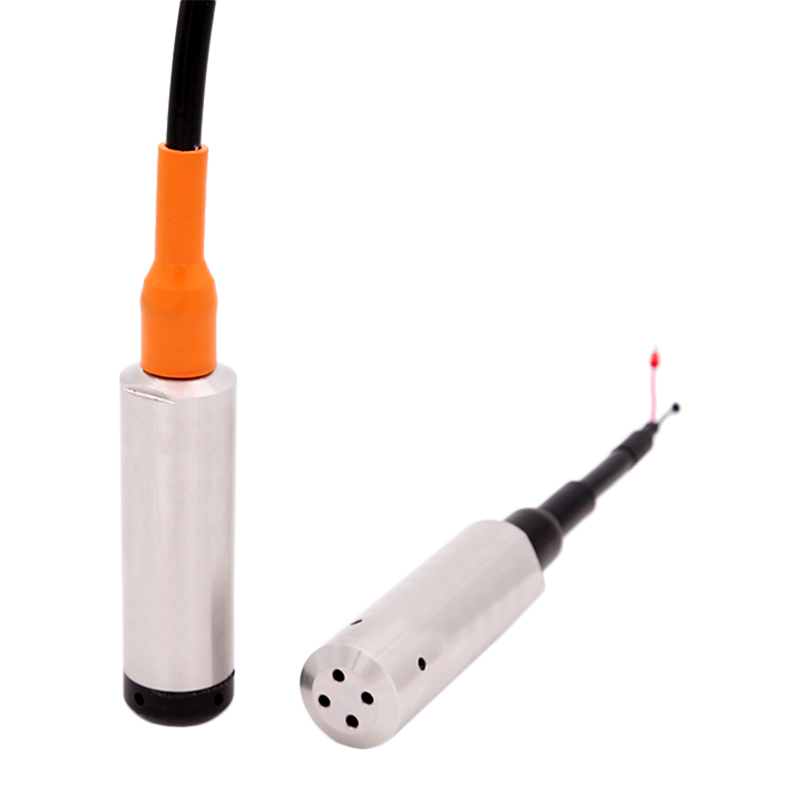
In industrial environments, process stability and accuracy depend heavily on real-time measurement and signal conversion. Process transmitters are essential devices that detect physical parameters such as pressure, temperature, level, or flow and convert them into standardized electrical or digital signals for control systems. These devices act as the communication bridge between field instrumentation and centralized automation platforms, ensuring continuous visibility and control across complex industrial processes.
Working Principle of Process Transmitters
A typical process transmitter operates through three key stages: sensing, conversion, and transmission. First, a sensor element detects a process variable. This raw signal is then conditioned, amplified, and converted into a standardized output such as 4–20 mA, HART protocol, or digital communication formats. Finally, the output is transmitted to a control system like PLCs, SCADA, or distributed control systems (DCS).
In this context, signal transmitters play a crucial role in maintaining signal integrity, especially in environments with electrical noise, vibration, or temperature fluctuations. By stabilizing and standardizing output signals, they ensure that industrial automation systems receive accurate and actionable data.
Key Types of Industrial Transmitters
Industrial transmitters are categorized based on the type of process variable they measure:
- Pressure transmitters
- Temperature transmitters
- Level transmitters
- Flow transmitters
Each type is designed with specific sensing elements and housing structures to suit different operating environments, including high-pressure pipelines, chemical reactors, or HVAC systems.
Core Functions and Applications
Process transmitters are widely used in automation and process control industries. Their core functions include real-time monitoring, signal conversion, and system integration. Below is a simplified overview:
| Function |
Description |
Industrial Benefit |
| Measurement |
Detects physical variables |
Ensures process accuracy |
| Signal conversion |
Converts raw data into standard signals |
Enables system compatibility |
| Transmission |
Sends data to control systems |
Supports real-time monitoring |
| Compensation |
Adjusts for temperature or environmental changes |
Improves measurement stability |
| Diagnostics |
Detects faults or irregularities |
Enhances system reliability |
These functions make industrial transmitters indispensable in sectors such as energy, manufacturing, water treatment, and smart factory automation.
About ASY Electronics
ASY Electronics (JiaXing) Co.,Ltd. is a China-based manufacturer specializing in custom power line carrier (PLC) solutions and industrial IoT communication systems. As a high-tech enterprise focused on the Industrial Internet of Things (IoT), we are committed to building a data-driven, highly collaborative, and future-oriented smart manufacturing ecosystem. With “data sensing” and “intelligent connectivity” as our core technological strengths, we deliver integrated industrial solutions ranging from equipment condition monitoring and energy efficiency management to production process optimization. Our independently developed edge computing hardware and data integration platforms help enterprises achieve efficient digital transformation and intelligent upgrading.
R&D and Technology
We rely on a strong underlying technology architecture combined with advanced algorithm models and system integration capabilities. Our solutions not only enable intelligent factory construction but also provide a continuously evolving “smart brain” for industrial systems, allowing data to be analyzed, learned, and optimized autonomously. This ensures long-term adaptability and competitiveness in modern manufacturing environments.
Quality and Control
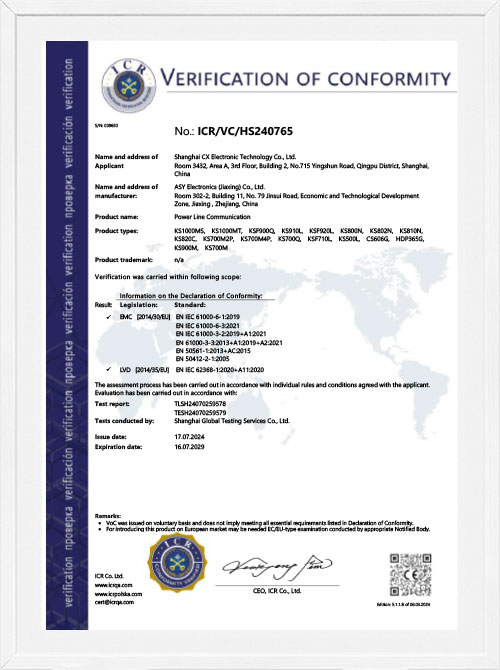
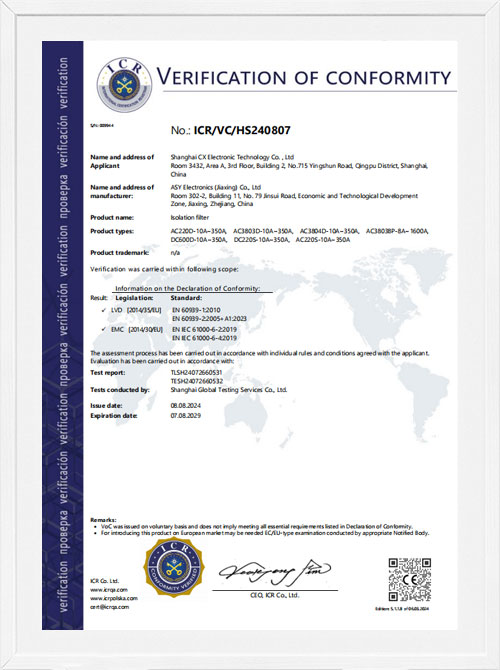
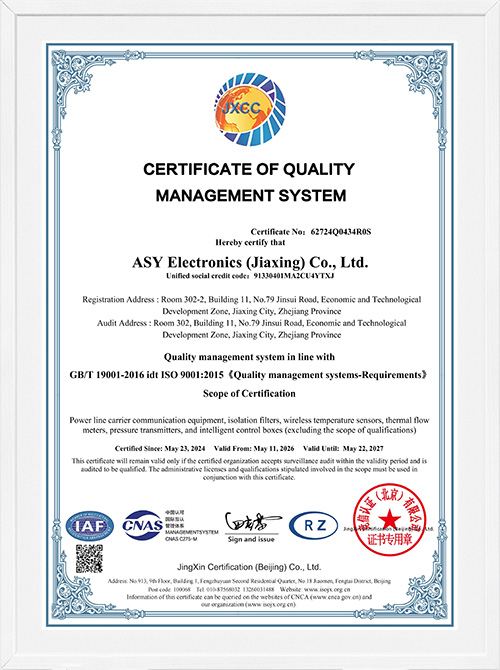
We strictly follow industry standards and comprehensive quality management systems. Every stage—from raw material selection, precision manufacturing, to final product testing—is under full-process monitoring. This ensures that each product delivers stable performance, high reliability, and consistent quality even in complex industrial applications.
Customization and Service
We are supported by a professional R&D team with more than 20 years of industry experience. We provide flexible customization services based on customer drawings, technical requirements, or sample-based development. Through rapid response and precise engineering support, we ensure that diverse application needs are met efficiently and accurately, delivering tailored industrial solutions for different operational scenarios.
Materials and Design Considerations
The performance of process transmitters depends significantly on material selection and structural design. Industrial environments often require resistance to corrosion, vibration, and extreme temperatures.
| Component |
Common Materials |
Purpose |
| Housing |
Stainless steel, aluminum alloy |
Protects internal electronics |
| Sensor diaphragm |
Ceramic, Hastelloy, stainless steel |
Ensures measurement sensitivity |
| Seals |
PTFE, rubber compounds |
Prevents leakage and contamination |
| Circuit board |
Industrial-grade PCB |
Signal processing and conversion |
Material durability directly affects the lifespan and reliability of industrial transmitters, especially in harsh or high-risk environments.
Integration with Industrial IoT
Modern process transmitters are increasingly integrated with IoT-based systems. Through industrial communication protocols, real-time data can be transmitted to cloud platforms or edge computing devices. This enables predictive maintenance, energy efficiency optimization, and production traceability.
ASY Electronics emphasizes this integration by combining sensing technology with intelligent communication frameworks. Their approach allows manufacturers to transition from traditional automation systems to data-driven smart factories.
Advantages of Using Process Transmitters
- High measurement accuracy and stability
- Compatibility with multiple industrial protocols
- Enhanced process safety and monitoring
- Reduced manual intervention
- Improved operational efficiency
These advantages make process transmitters a foundational component in modern automation architecture.
FAQ
1. What is the main function of a process transmitter?
A process transmitter converts physical variables like pressure or temperature into standardized signals for monitoring and control systems.
2. How do signal transmitters improve industrial communication?
They stabilize and standardize signals, ensuring accurate data transmission even in noisy industrial environments.
3. Where are industrial transmitters commonly used?
They are widely used in manufacturing, energy production, water treatment, and automated process industries.
4. What makes modern transmitters different from traditional ones?
Modern transmitters often include digital communication, self-diagnostics, and IoT integration capabilities.
5. Why is material selection important in transmitters?
Because industrial environments can be harsh, durable materials ensure long-term stability and measurement accuracy.