What causes an automatic sliding door controller to fail?
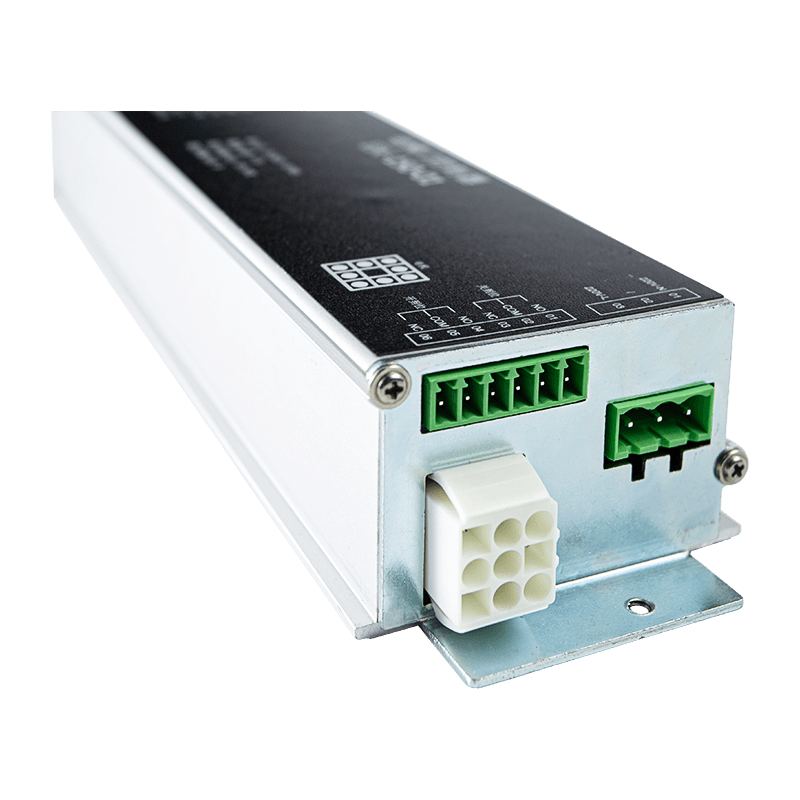
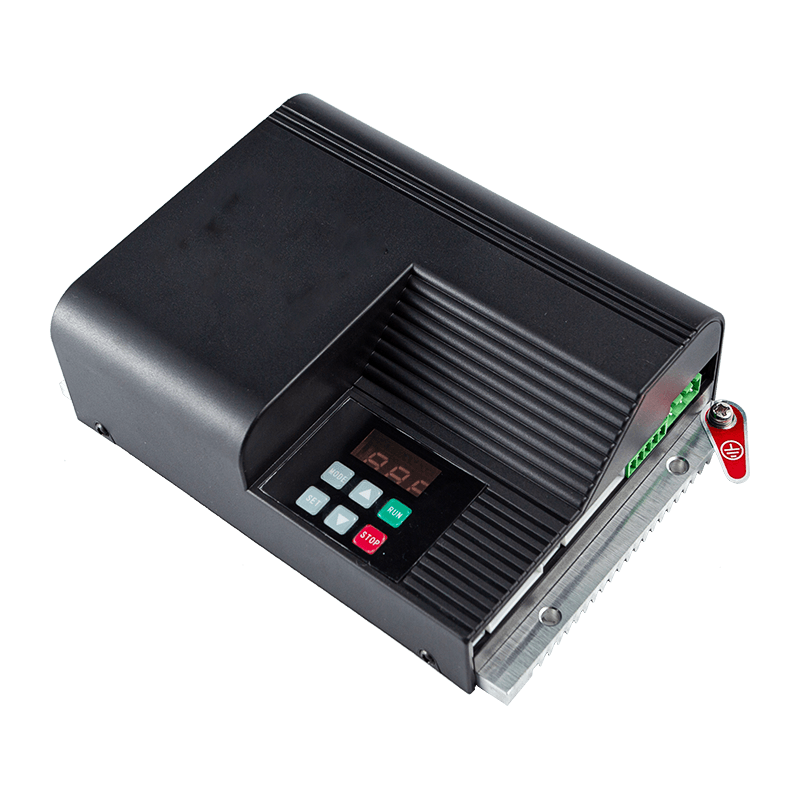
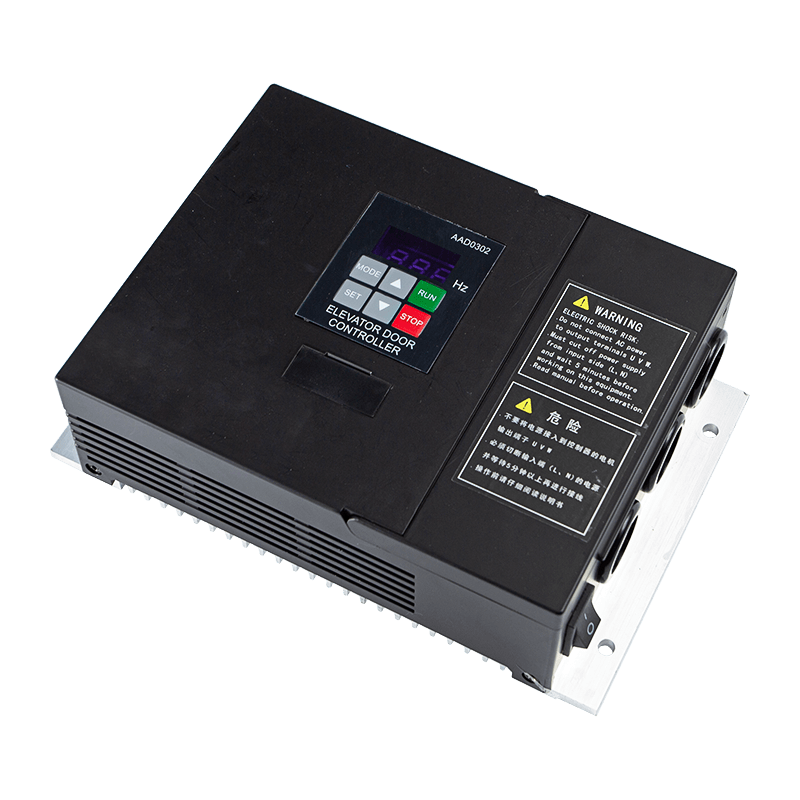
Automatic sliding door systems are widely installed in hospitals, cold storage facilities, commercial buildings, industrial workshops, and elevator entrance systems. The stable operation of these systems depends heavily on the performance of the controller. A modern automatic sliding door controller is responsible for coordinating motor movement, speed regulation, safety logic, sensor communication, and door positioning accuracy. When the controller fails, the entire door system may become unstable, slow, unresponsive, or unsafe.
Modern controllers increasingly utilize advanced motor control technologies such as Space Vector Pulse Width Modulation technology to drive permanent magnet synchronous motors. This approach improves low-speed smoothness, output torque, and operational precision. However, despite improvements in hardware integration and intelligent algorithms, controller failures still occur due to environmental stress, electrical instability, installation errors, component aging, and improper maintenance.
The reliability of a automatic sliding door operator depends not only on the controller itself but also on the compatibility between sensors, motors, power supplies, communication interfaces, and mechanical structures. Understanding the root causes of failure is important for reducing downtime, improving safety, and extending service life.
Common Electrical Causes of Controller Failure
Electrical issues remain one of the leading causes of failure in an automatic sliding door control unit. Since the controller acts as the central processing and power regulation component, it is highly sensitive to unstable electrical conditions. Voltage fluctuations, sudden power interruptions, and poor grounding practices can damage internal circuits and reduce long-term reliability.
In industrial facilities and commercial buildings, unstable electrical loads often create transient surges that affect sensitive electronic components. Repeated exposure to these conditions may gradually damage capacitors, insulated gate drivers, and communication modules inside the controller. Over time, these failures can result in inconsistent door movement, delayed response, or complete operational shutdown.
Poor wiring practices are another major concern. Loose terminals, undersized cables, and incorrect wiring sequences can generate overheating or communication instability. In some installations, electromagnetic interference from nearby industrial equipment can also disrupt controller signals and sensor communication.
| Electrical Issue |
Potential Impact on Controller |
| Voltage fluctuation |
Damage to power modules and unstable motor control |
| Poor grounding |
Signal interference and communication failure |
| Loose wiring |
Overheating and intermittent operation |
| Power surges |
Permanent damage to internal electronic components |
| Electromagnetic interference |
Sensor malfunction and inaccurate positioning |
To reduce these risks, professional installations should include stable power filtering, proper grounding systems, and regular electrical inspections. The use of integrated monitoring systems can also help detect abnormalities before permanent damage occurs.
ASY Electronics (JiaXing) Co.,Ltd. focuses on intelligent industrial connectivity and data sensing technologies that support equipment reliability in smart factory environments. Through integrated monitoring and industrial data communication capabilities, the company helps manufacturing facilities improve operational stability and reduce equipment-related downtime.
Environmental Conditions That Damage Controllers
Environmental conditions significantly affect the lifespan of a automatic sliding door controller. Automatic door systems are often installed in locations with varying temperatures, humidity levels, airborne particles, and chemical exposure. These external conditions gradually influence the controller's electronic stability and thermal performance.
High humidity environments can cause moisture accumulation inside electronic housings. Condensation may lead to corrosion on circuit boards, connector oxidation, or short-circuit conditions. Cold storage facilities present additional challenges because large temperature differences between indoor and outdoor areas can accelerate condensation cycles.
Dust and airborne contaminants are equally problematic. Industrial automatic doors installed in factories or logistics centers are often exposed to metal particles, fibers, oil mist, or chemical residue. If contaminants accumulate on cooling surfaces or electronic components, heat dissipation efficiency decreases and internal operating temperatures rise.
Excessive heat is another critical issue. Controllers generate heat during motor regulation and signal processing. If ventilation is insufficient or ambient temperatures remain consistently high, thermal stress can shorten component lifespan and increase failure frequency.
- High humidity may cause corrosion and short circuits.
- Dust accumulation can block ventilation pathways.
- Extreme temperatures may reduce electronic stability.
- Chemical exposure can damage insulation materials.
- Water intrusion may permanently destroy internal circuits.
Proper enclosure design and environmental protection ratings are essential for long-term reliability. Regular cleaning and preventive maintenance also help reduce contamination-related failures.
In modern smart factories, environmental monitoring systems are becoming increasingly important. ASY Electronics (JiaXing) Co.,Ltd. integrates wireless temperature monitoring systems and industrial sensing technologies to support real-time equipment condition awareness, helping facilities identify abnormal operating conditions before they affect automatic door systems and other industrial equipment.
Mechanical Problems That Affect Controller Performance
Although the controller itself is an electronic component, many failures originate from mechanical problems within the door system. An improperly aligned door, excessive mechanical resistance, or damaged drive components can place abnormal loads on the controller and motor system.
When sliding tracks become contaminated or worn, the motor requires additional torque to move the door panels. This increased load may cause overheating in the controller's drive circuitry. Over time, repeated overload conditions can damage motor drivers or trigger frequent protection shutdowns.
Incorrect door balancing is another common issue. If the door panels are too heavy or improperly adjusted, the controller continuously compensates for uneven motion. This condition accelerates wear on the motor and electronic power modules.
Sensor alignment also affects overall performance. Misaligned safety sensors or position detection devices may send inaccurate signals to the controller. As a result, the door may repeatedly open and close unexpectedly or fail to stop at the correct position.
| Mechanical Problem |
Effect on Door Controller |
| Track contamination |
Increased motor load and overheating |
| Door misalignment |
Irregular movement and excessive torque demand |
| Worn rollers |
Unstable speed regulation |
| Improper balancing |
Continuous motor compensation stress |
| Sensor misalignment |
Incorrect positioning and safety interruption |
Routine mechanical inspections are therefore essential. Even a highly advanced automatic sliding door operator cannot maintain stable performance if the mechanical structure itself is compromised.
Software and Parameter Configuration Errors
Modern door systems rely heavily on software algorithms and parameter configuration. While advanced control algorithms improve operational smoothness and flexibility, incorrect configuration settings may create serious operational instability.
A typical automatic sliding door control unit includes adjustable parameters for acceleration, deceleration, opening speed, closing force, obstacle detection sensitivity, and motor synchronization. Incorrect parameter settings can lead to abrupt door movement, unstable operation, or repeated system faults.
Improper software updates also create compatibility risks. If firmware versions are not properly matched with sensors or motor drivers, communication conflicts may occur. In some cases, incomplete updates can cause the controller to lose calibration data or operational logic.
Configuration errors are especially common during system retrofits or maintenance performed by untrained personnel. Incorrect motor parameter input may prevent accurate PMSM control and reduce low-speed stability. This directly affects opening precision and passenger safety.
- Incorrect acceleration settings may increase mechanical stress.
- Improper obstacle sensitivity can create safety risks.
- Firmware mismatch may cause communication instability.
- Calibration errors can affect positioning accuracy.
- Incomplete software updates may disable system functions.
To minimize these risks, parameter configuration should follow standardized commissioning procedures. Backup copies of software settings should also be maintained before upgrades or maintenance activities.
The intelligent connectivity capabilities developed by ASY Electronics (JiaXing) Co.,Ltd. support industrial data integration and equipment monitoring, helping operators maintain better visibility into operational status and configuration consistency across industrial systems.
Component Aging and Long-Term Wear
Like all electronic equipment, a automatic sliding door controller experiences gradual aging during long-term operation. Even under stable operating conditions, electronic components deteriorate over time due to thermal cycling, electrical stress, and environmental exposure.
Capacitors are particularly vulnerable to aging. As internal materials degrade, capacitance decreases and voltage stability becomes inconsistent. This may result in startup failure, unstable motor control, or random system resets.
Cooling fans and thermal interfaces also lose efficiency with age. Reduced heat dissipation increases internal operating temperatures, accelerating further component degradation. Connectors and relays may additionally suffer from contact wear or oxidation after repeated operation cycles.
Motor feedback systems can also degrade over time. Position sensors and encoders may gradually lose accuracy, causing synchronization errors between the motor and controller. This reduces motion smoothness and may trigger protection alarms.
In high-cycle environments such as hospitals and commercial facilities, automatic doors may operate thousands of times per day. Under these conditions, preventive replacement schedules become essential for maintaining reliability.
| Aging Component |
Possible Failure Result |
| Capacitors |
Voltage instability and startup failure |
| Cooling systems |
Thermal overload and reduced lifespan |
| Relays and connectors |
Intermittent communication failure |
| Position sensors |
Inaccurate door positioning |
| Motor feedback devices |
Motion synchronization errors |
Scheduled inspections and lifecycle management strategies are therefore critical for facilities that depend heavily on automatic door systems.
The Importance of Proper Installation and Maintenance
Improper installation remains one of the most avoidable causes of failure in a automatic sliding door operator. Even a technically advanced controller may experience operational instability if installation standards are not properly followed.
Incorrect mounting positions can expose the controller to excessive vibration or inadequate ventilation. Improper cable routing may increase electrical interference or create mechanical tension on connectors. Inadequate grounding practices further increase the risk of electrical noise and surge damage.
Maintenance practices are equally important. Some facilities only inspect door systems after visible failures occur. However, preventive maintenance is significantly more effective than reactive repairs. Regular inspection allows technicians to identify worn mechanical parts, unstable electrical conditions, and environmental contamination before severe damage develops.
A comprehensive maintenance strategy typically includes:
- Inspection of wiring connections
- Cleaning of ventilation pathways
- Verification of sensor alignment
- Monitoring of motor operating temperature
- Review of controller fault logs
- Testing of emergency safety functions
Modern industrial facilities increasingly integrate equipment monitoring into broader smart factory management systems. ASY Electronics (JiaXing) Co.,Ltd. supports this approach through intelligent connectivity technologies, industrial data transmission solutions, and equipment condition monitoring capabilities that contribute to operational reliability and plant-wide efficiency.
How Intelligent Monitoring Improves Controller Reliability
As industrial automation advances, intelligent monitoring technologies are becoming essential for improving the reliability of automatic door systems. Traditional maintenance methods often rely on manual inspections and reactive troubleshooting. However, modern industrial environments require more predictive and data-driven approaches.
A smart monitoring system can continuously observe controller temperature, motor current, door cycle frequency, sensor communication status, and abnormal operating patterns. By analyzing operational trends, maintenance personnel can detect early warning signs before failures occur.
For example, rising motor current may indicate increasing mechanical resistance, while repeated thermal alarms may reveal insufficient ventilation. Communication interruptions between sensors and the controller may indicate wiring degradation or electromagnetic interference.
The integration of edge-layer sensing devices and industrial connectivity platforms helps facilities centralize operational data across multiple systems. This improves maintenance efficiency and reduces unexpected downtime.
Intelligent factories increasingly depend on interconnected monitoring infrastructure. Through technologies related to wireless monitoring, industrial sensing, and data integration, ASY Electronics (JiaXing) Co.,Ltd. contributes to the development of efficient and reliable industrial environments where equipment condition visibility plays a critical role in operational continuity.
Conclusion
The failure of a automatic sliding door controller is rarely caused by a single factor. In most cases, failures result from a combination of electrical instability, environmental stress, mechanical wear, software configuration errors, and insufficient maintenance practices.
Modern controllers provide advanced functionality through intelligent algorithms, PMSM motor control, and integrated safety logic. However, these benefits also require proper installation, environmental protection, routine maintenance, and operational monitoring to ensure long-term reliability.
Facilities that prioritize preventive maintenance and intelligent monitoring are better positioned to reduce downtime, improve safety, and extend equipment lifespan. As industrial automation continues to evolve, the integration of sensing technologies, equipment condition monitoring, and industrial data connectivity will become increasingly important for maintaining stable automatic door operations.
FAQ
Q1: What are the most common symptoms of automatic sliding door controller failure?
Common symptoms include slow door movement, sudden stopping, repeated opening and closing, abnormal noise, communication alarms, inconsistent positioning, and complete operational shutdown.
Q2: Can environmental humidity damage an automatic door controller?
Yes. Excessive humidity may cause condensation, corrosion, connector oxidation, and short circuits inside electronic components, especially in cold storage or poorly ventilated environments.
Q3: Why does improper door alignment affect the controller?
Improper alignment increases mechanical resistance and motor load. This forces the controller to operate under higher stress conditions, which may lead to overheating and premature component failure.
Q4: How often should an automatic sliding door system be inspected?
Inspection frequency depends on operating conditions and usage intensity. High-traffic environments such as hospitals and commercial facilities generally require regular monthly inspections and scheduled preventive maintenance.
Q5: Can software configuration errors cause controller malfunction?
Yes. Incorrect parameter settings, incompatible firmware versions, and calibration errors may result in unstable door movement, inaccurate positioning, and communication conflicts.
Q6: What role does intelligent monitoring play in improving reliability?
Intelligent monitoring helps detect abnormal operating conditions early by continuously tracking temperature, motor load, communication status, and operational trends. This supports predictive maintenance and reduces unexpected downtime.