Application Solution for Wireless Temperature Measurement in Chemical and Power Systems
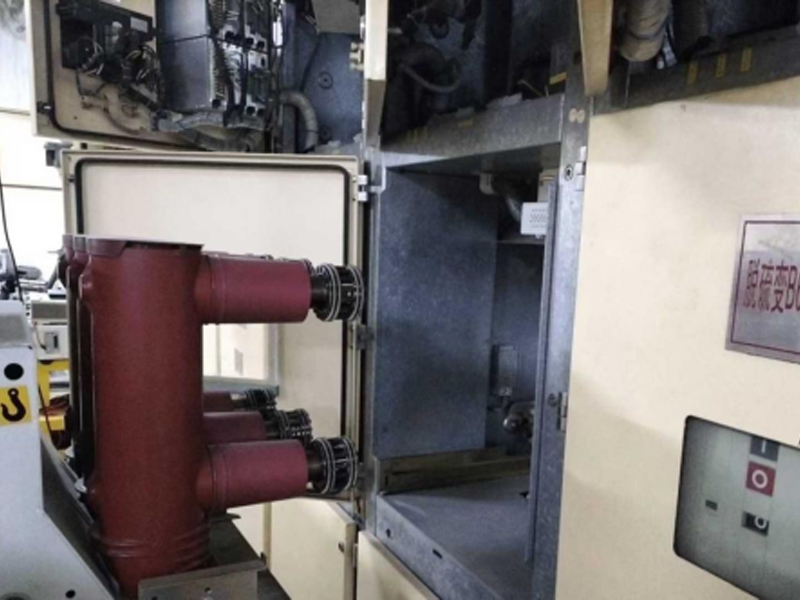
In chemical power systems, due to factors such as equipment manufacturing defects, environmental contamination, long-term operation, severe overload operation, contact oxidation, arc impact, and other reasons, contact resistance increases. As a result, equipment tends to generate heat continuously during operation, with temperatures rising steadily, which poses hidden dangers to safe equipment operation. If not detected in time, this will inevitably lead to substantial property losses. This phenomenon is particularly common in areas with rapid load growth. Therefore, it is very necessary to adopt a wireless temperature measurement system for monitoring and control. By using ASY wireless temperature measurement technology, major hidden dangers such as switch contact overheating can be detected in a timely manner, preventing accidents and ensuring safe and stable production.
I. Overview of Wireless Temperature Measurement
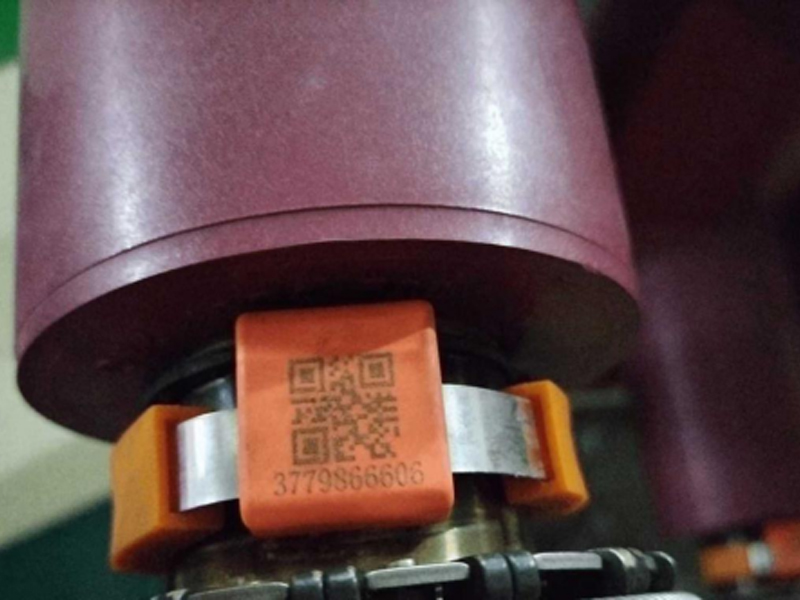
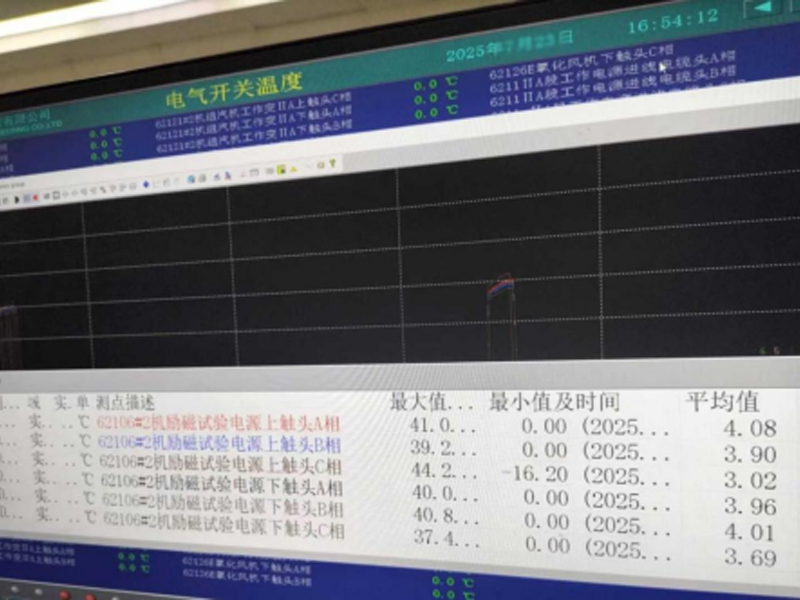
The ASY electrical wireless temperature measurement system adopts advanced and mature sensing technology as well as unique and advanced wireless communication technology for high-voltage isolation and signal transmission. By leveraging its inherent insulation properties and anti-electromagnetic interference performance, it fundamentally solves the difficult problem of monitoring the operating temperature of contacts inside high-voltage switchgear. It offers extremely high reliability and safety, complete isolation, low cost, and simple installation. It can be installed on each high-voltage switchgear cabinet, and data can be read directly from the display. Alternatively, the data can be wirelessly transmitted and recorded into the power monitoring system to enable remote early warning functions.
II. System Principle
Through the single-chip microcomputer processor of the wireless temperature sensor, the temperature of the measured equipment is converted by the temperature sensor into digital signals. These signals are then transmitted via the wireless transmitting and receiving module to the wireless temperature display instrument. The microprocessor collects the temperature information, stores it in the memory chip, and displays it on the LCD display. Through the 485 communication module, the data is uploaded to the host computer. The host management unit can be connected to the power automation system or directly transmit the data remotely to the central station via the GPRS module.
OEM/ODM Service
We provide professional OEM and ODM service to meet your needs.
WhatsApp:
+86-18157343325
Contact Details
+86-18157343325
Location
Quick Link
Product
Get In Touch
You can contact to me using this form.