

Why Refrigeration Failures Still Threaten Vaccine Potency
A single overnight compressor fault can push a pharmacy fridge outside its approved band before any staff member walks in the next morning. Vaccines, insulin, and biologics degrade quietly, with no visible change in color or smell, which is exactly why manual spot-checks have failed so many facilities over the years. A twice-daily written log only tells you the temperature at two specific moments, not what happened at 3 a.m. when the door seal loosened or the compressor cycled incorrectly.
This gap between when a deviation occurs and when it is discovered is the core problem that continuous, automated monitoring is built to close. The rest of this article walks through how a modern wireless temperature monitoring host and its connected sensors solve this, what ranges matter for different storage categories, and how to build a monitoring workflow that holds up during an inspection.
Key point: Studies on vaccine cold chain handling have repeatedly found that a meaningful share of storage units experience at least one out-of-range excursion during a given month, most of them outside normal working hours when nobody is present to notice.
What a Medical Refrigerator Temperature Log Actually Needs to Show
Regulatory and accreditation bodies do not just want a number; they want a defensible record. A usable medical refrigerator temperature log generally needs to demonstrate four things at once: continuous coverage, accurate readings, a clear escalation path when limits are breached, and an unbroken audit trail that cannot be edited after the fact.
| Requirement | Manual Logging | Automated Wireless Monitoring |
|---|---|---|
| Reading frequency | 2 to 3 times per day | Continuous, typically every 1 to 10 minutes |
| Night and weekend coverage | Gap in coverage | Uninterrupted |
| Alert on excursion | None until next check | Immediate push or SMS alert |
| Record tampering risk | Higher, paper based | Lower, timestamped digital record |
| Audit preparation time | Hours of manual compilation | Minutes, exportable report |
The table above is not meant to dismiss paper logs entirely; some facilities still keep a manual backup as a redundancy measure. But as the primary record, continuous digital logging closes the visibility gap that paper simply cannot.
The Three Building Blocks of a Wireless Monitoring System
Most healthcare refrigeration monitoring setups are built from three components working together rather than a single device. Understanding what each one does helps a facility manager troubleshoot problems and plan coverage for multiple storage units.
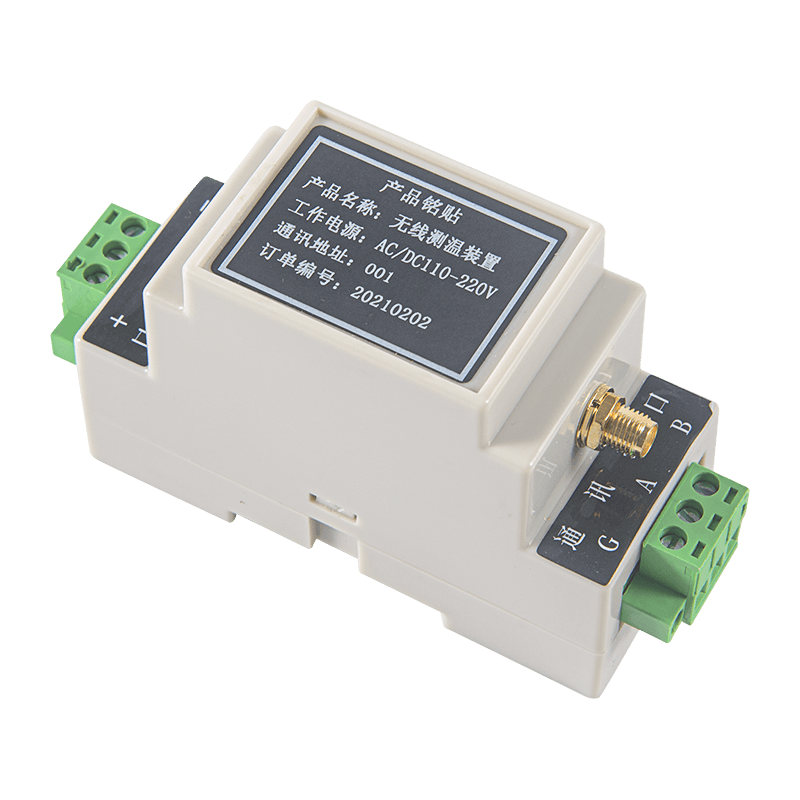
Monitoring Host
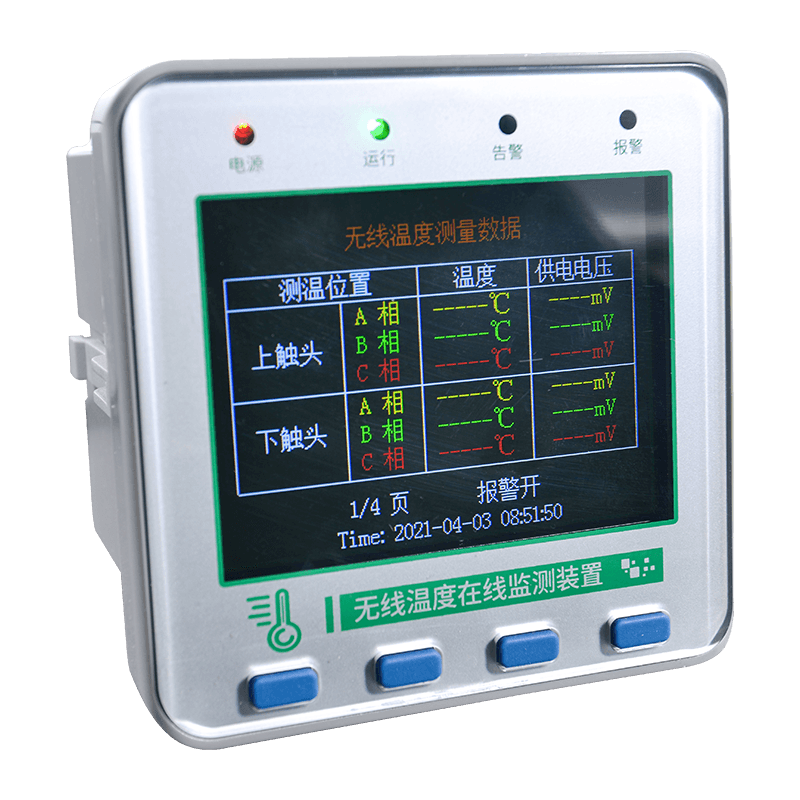
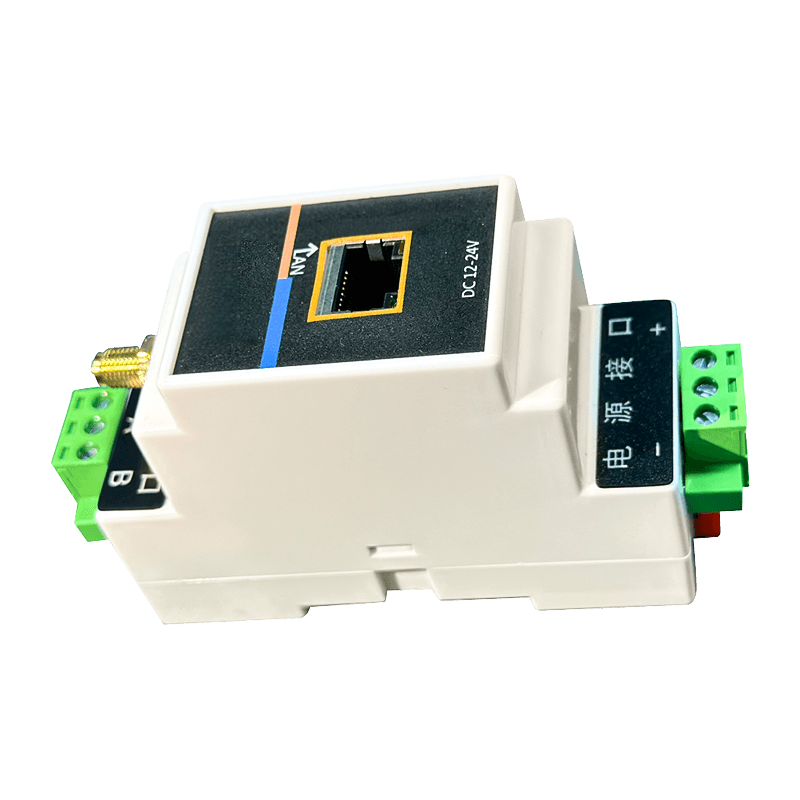
The wireless temperature monitoring host acts as the central receiver. It collects readings from every connected sensor, stores them locally, and pushes data to a cloud dashboard or local network. A single host commonly supports multiple sensor channels, which lets one unit oversee several refrigerators, freezers, or storage rooms at once.
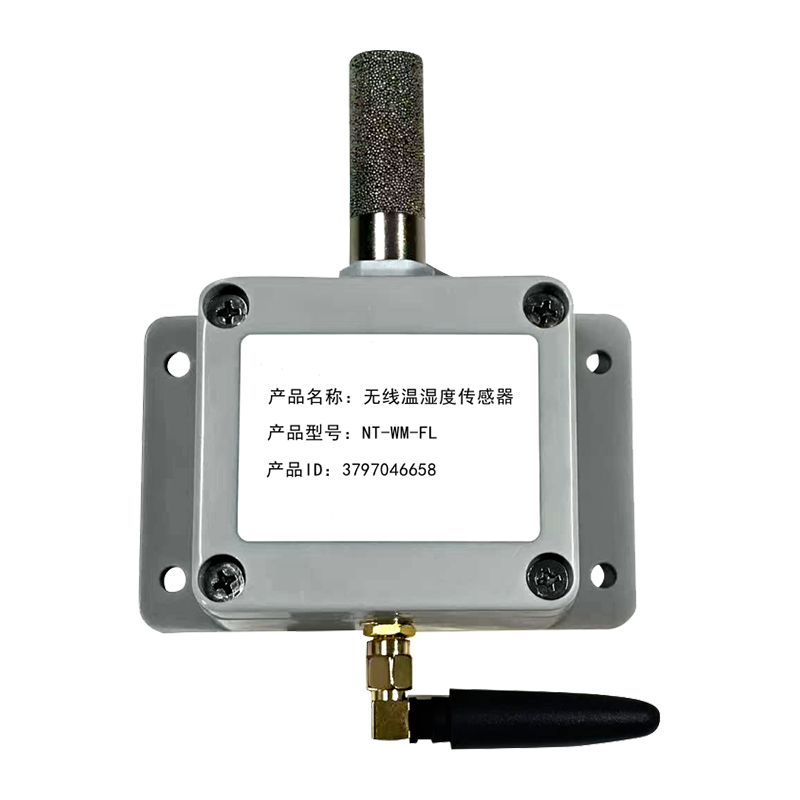
Monitoring Sensor
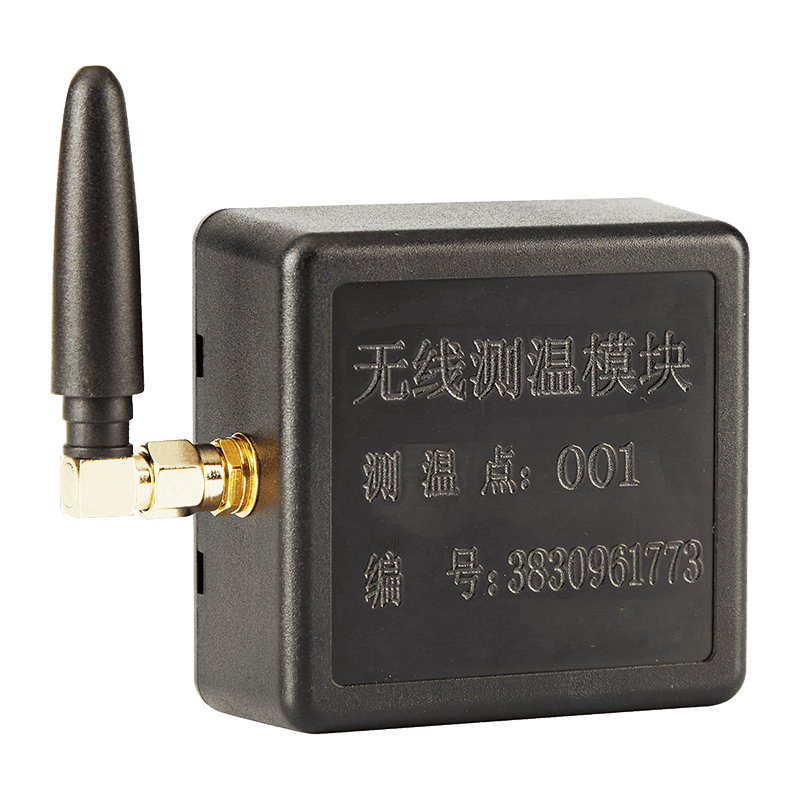
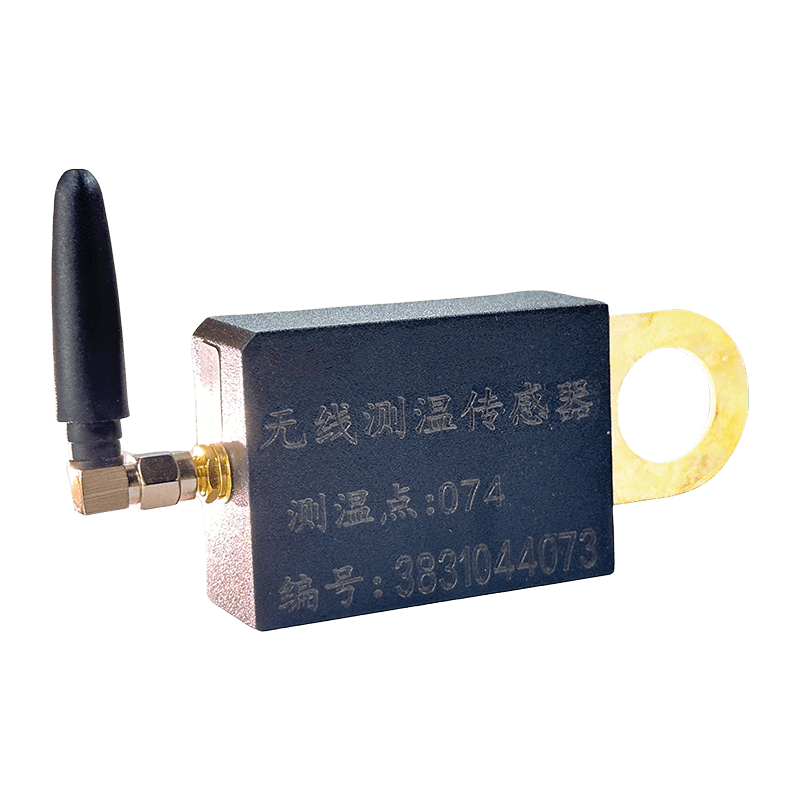
Placed inside the storage unit, the wireless temperature monitoring sensor records both temperature and, in many models, humidity. Battery life on these sensors is typically designed to last well beyond a year of continuous operation, which reduces the maintenance burden compared to wired probes.
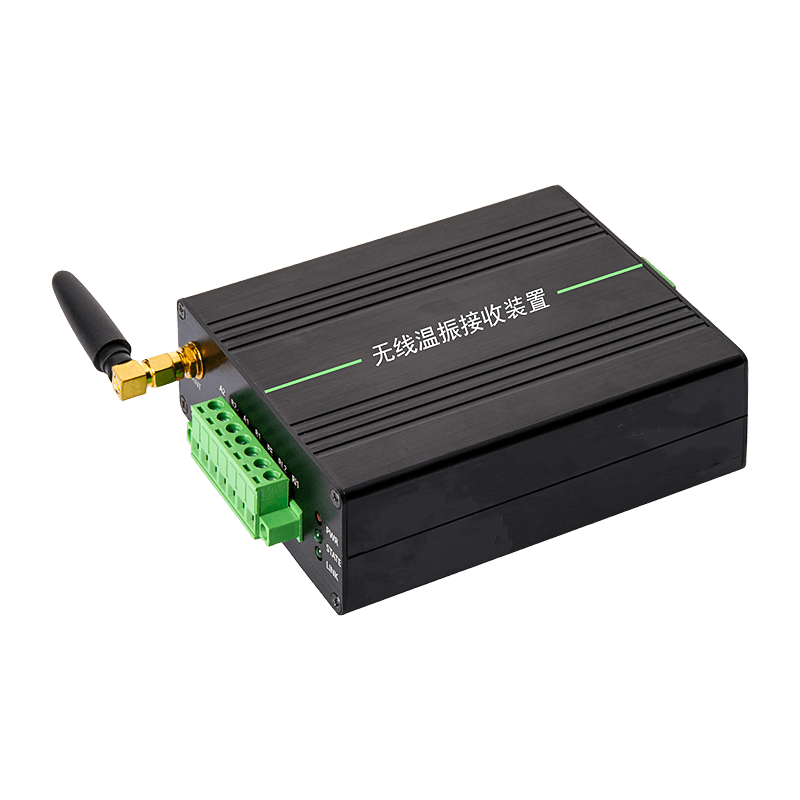
Standalone Sensor
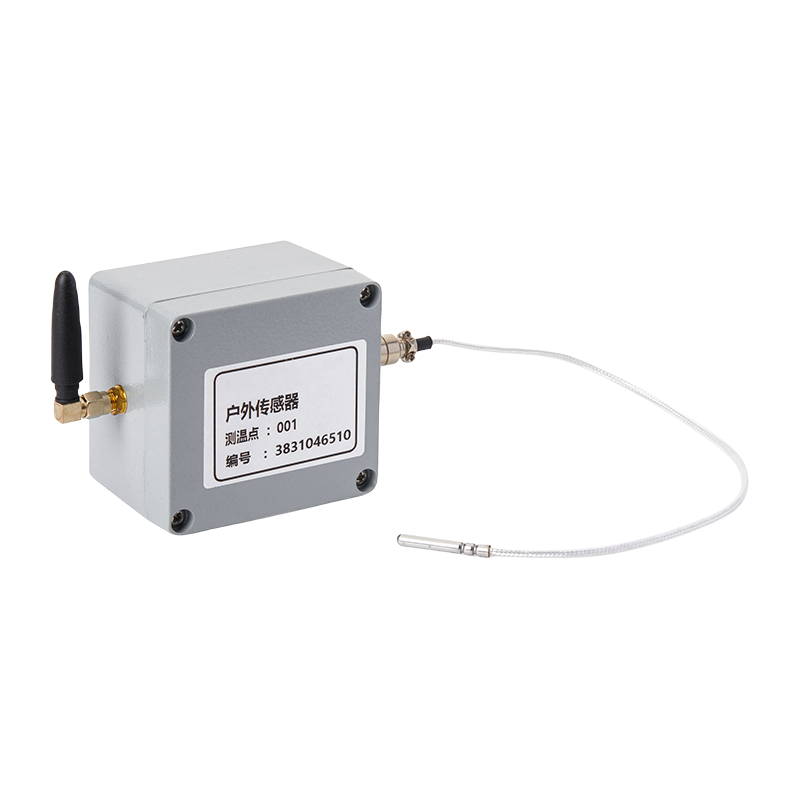
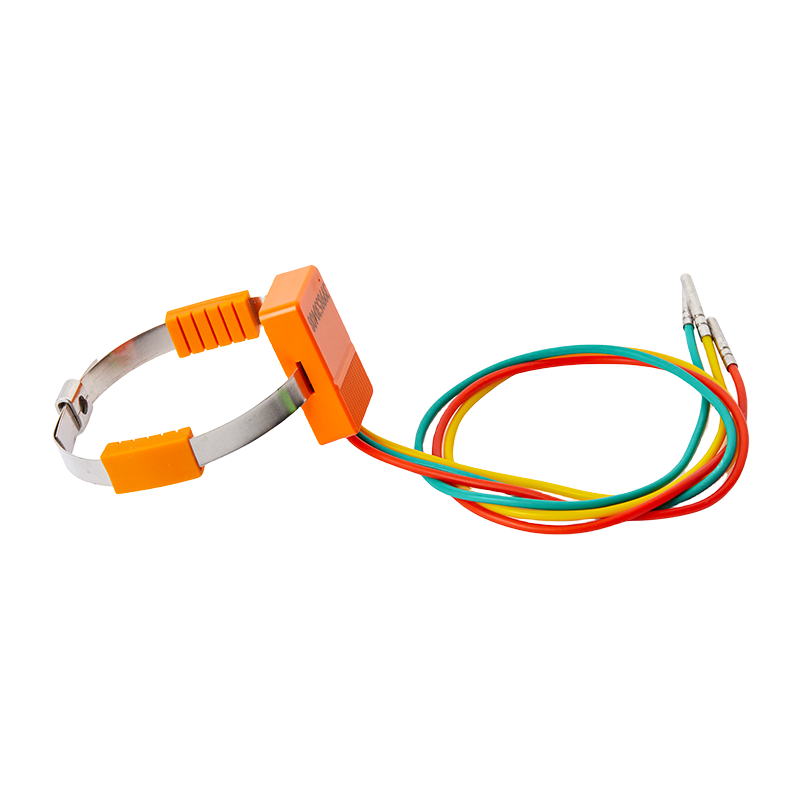
A simpler wireless temperature sensor option suits smaller cabinets, transport containers, or spot-check applications where humidity tracking is not required. These units still transmit readings on a fixed interval and integrate with the same host and dashboard.
How the Monitoring Workflow Runs From Sensor to Alert
The value of automated monitoring shows up in the sequence of events after a temperature drifts, not just in the raw data collection. The diagram below outlines the typical path from sensor reading to corrective action.
Because the host retains data locally even during a network outage, no readings are lost if the internet connection drops temporarily. Once connectivity is restored, the backlog syncs automatically, preserving a continuous record for the medical refrigerator temperature log.
Vaccine and Pharmacy Storage Temperature Ranges
Different product categories require different bands, and mixing them up is one of the most common documented errors during storage audits. The table below summarizes commonly referenced ranges; facilities should always confirm the specific range printed on the product packaging or manufacturer guidance for each item stored.
| Storage Category | Typical Range | Common Excursion Cause |
|---|---|---|
| Refrigerated vaccines | 2 C to 8 C | Door left ajar, overpacking blocking airflow |
| Frozen vaccines | -50 C to -15 C | Defrost cycle miscalibration |
| General pharmacy fridge temperature range | 2 C to 8 C | Placing items directly against the back wall |
| Room temperature biologics | 15 C to 25 C | Proximity to HVAC vents or windows |
Note that the pharmacy fridge temperature range for general medication storage often overlaps with vaccine requirements, but the tolerance for deviation and the required response time can differ by product class, which is why sensor placement and per-shelf monitoring matter as much as the overall unit reading.
What Automated Monitoring Changes in Daily Operations
- Staff no longer need to physically walk to each unit twice a day to log a number by hand
- Deviations are flagged within minutes rather than discovered hours later
- Historical data exports replace hours of manual log compilation before an inspection
- Humidity tracking on combined sensors helps catch issues affecting reagents sensitive to moisture
- Multiple units across a facility can be viewed from a single dashboard instead of separate paper binders
Operational note: The most common failure mode reported by facility managers is not sensor malfunction but alert fatigue, where too many low-priority notifications cause staff to start ignoring the system. Setting tiered alert thresholds, a brief warning for minor drift and an urgent alert for sustained excursions, addresses this directly.
Best Practices for Hospital and Pharmacy Storage Monitoring
Sensor Placement
Place sensors near the center of the storage compartment rather than against the door or back wall, since these locations often show more extreme temperature swings than the actual product zone.
Alert Routing
Route alerts to at least two staff members through different channels, such as one push notification and one SMS, so a single missed phone does not delay a response.
Battery and Connectivity Checks
Schedule a monthly review of sensor battery status and signal strength rather than waiting for a low-battery alert, since a dead sensor produces no data at all rather than an obvious warning.
Backup Power Consideration
Confirm the host has backup battery or connects through a network path that survives a building power interruption, since power outages are a leading cause of undetected excursions.
Where This Fits Into Broader Biopharma Cold Chain Monitoring
Facility-level refrigerator monitoring is one link in a longer chain that starts at manufacturing and ends at the point of administration. Biopharma cold chain monitoring technology at the transport and distribution level increasingly mirrors what happens inside a pharmacy: continuous sensor readings, automated alerts, and digital chain-of-custody records that follow the product rather than staying with a single fridge.
For a hospital or pharmacy, aligning internal monitoring practices with these upstream standards makes it easier to demonstrate an unbroken cold chain if a product's history is ever questioned, since the internal log format and alert thresholds match what suppliers and regulators already expect to see.
Frequently Asked Questions
Q1: How often should a wireless sensor report a temperature reading?
Most healthcare deployments use an interval between one and ten minutes. Shorter intervals give finer detail but consume more battery and generate more data to store; longer intervals still catch sustained excursions but may miss very brief spikes.
Q2: Can one host manage more than one refrigerator?
Yes. A single wireless temperature monitoring host typically supports multiple sensor channels, so one host can oversee several refrigerators, freezers, or storage rooms as long as they are within its wireless range.
Q3: What happens to stored data if the internet connection goes down?
Readings continue to be recorded locally on the host during an outage. Once connectivity returns, the backlog of readings syncs to the cloud log, so the medical refrigerator temperature log remains continuous rather than showing a gap.
Q4: Is humidity tracking necessary for vaccine storage?
It depends on the product. Most vaccines are primarily temperature sensitive, but some reagents and diagnostic materials are also humidity sensitive, which is why combined sensors are commonly chosen even when humidity is a secondary concern.
Q5: How long does a wireless sensor battery typically last?
Many wireless sensors used in medical refrigeration monitoring are designed to run for a year or more on a single battery, though actual life depends on reporting frequency and ambient conditions.