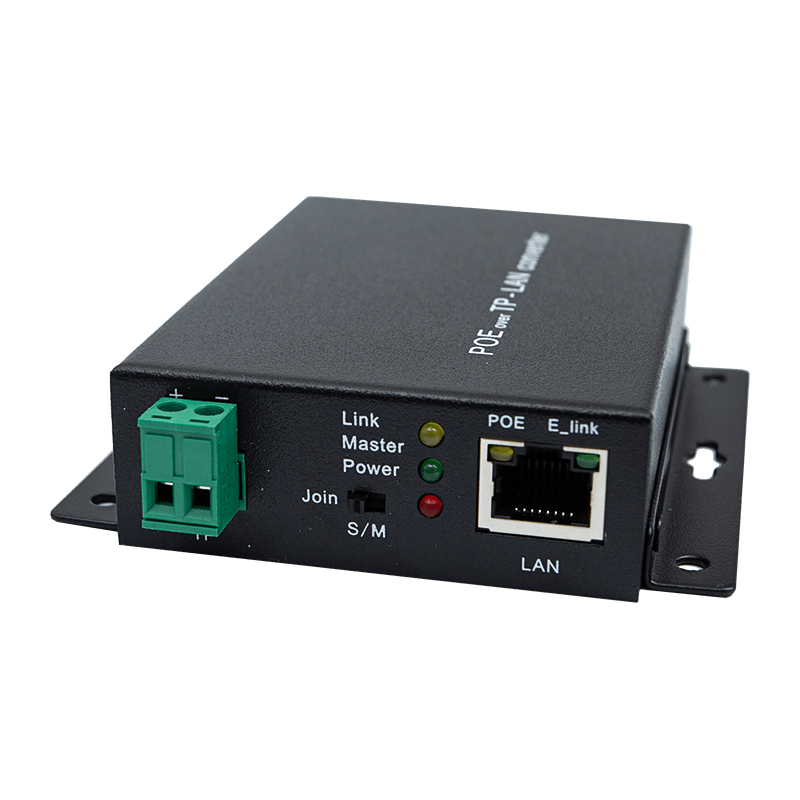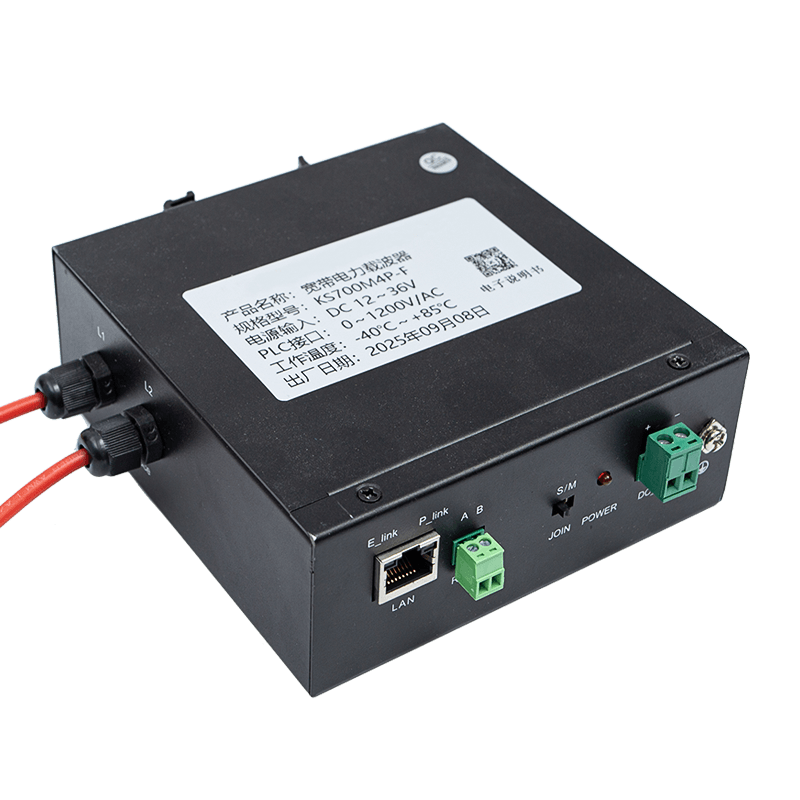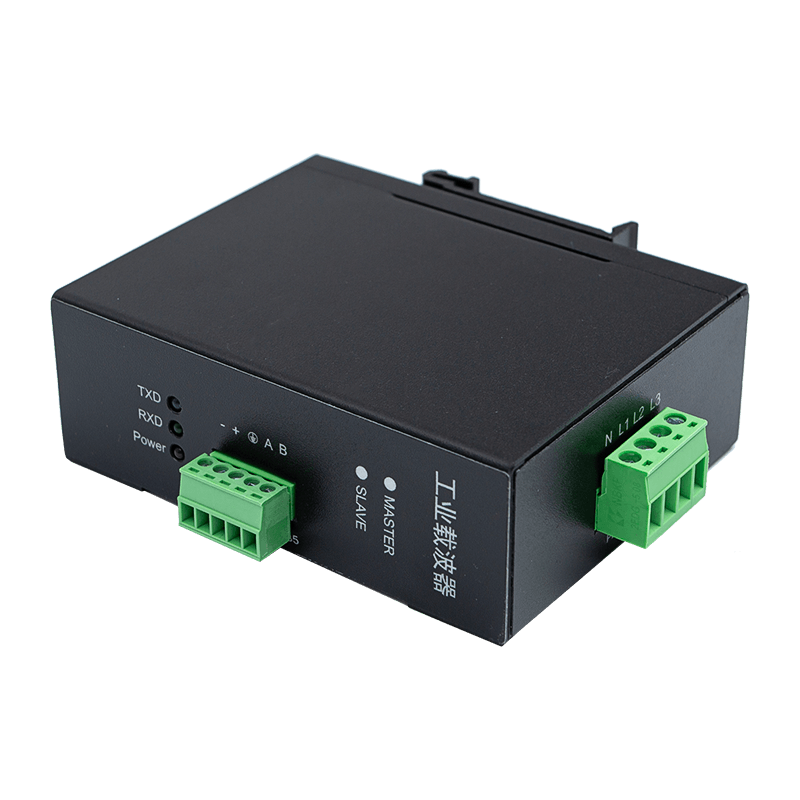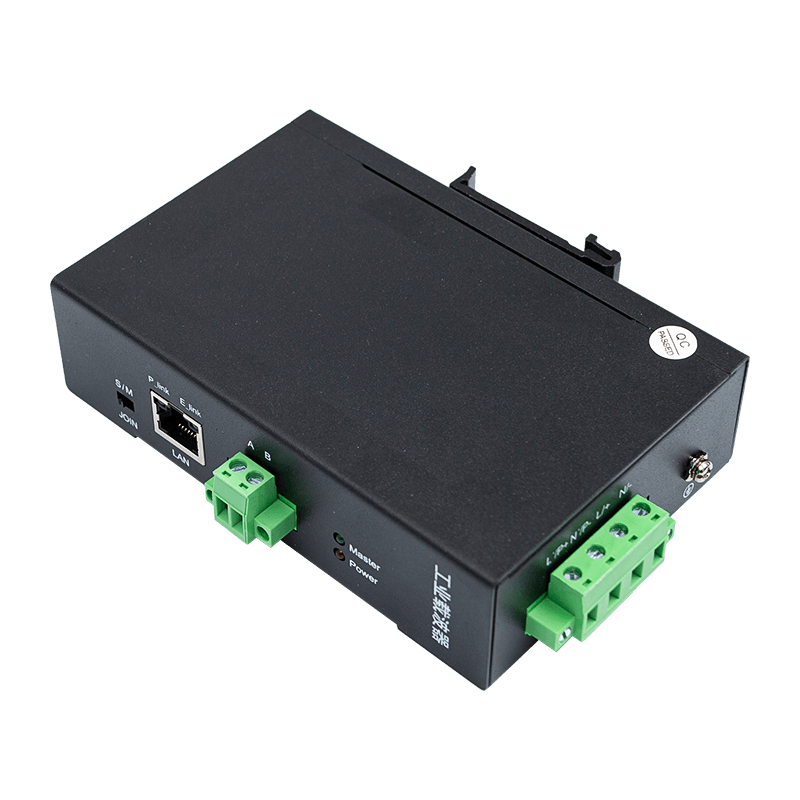


A maintenance manager we recently worked with needed machine-level connectivity for 68 production assets spread across three halls. Only 12 Ethernet drops existed, and Wi-Fi became unusable whenever a servo drive started. The answer was already running through the walls, in the form of the plant's own power distribution network. Broadband PLC over existing power lines gave that plant a reliable multi-hop data path to every machine without adding a meter of cable.
This article explains what broadband PLC can realistically do for industrial IoT, where it makes sense, and what you should verify before buying hardware.
If power already reaches a device, broadband PLC can usually reach it with data too, provided the network is designed around real-world electrical noise.
What Broadband PLC Actually Delivers in Industrial IoT Networks
Narrowband PLC has served utility metering for decades, carrying kilobits per second over long distances. Broadband PLC is a different class of technology. It uses orthogonal frequency-division multiplexing (OFDM) across a wide frequency band, typically from a few hundred kilohertz to tens of megahertz, and operates at megabits per second. Because the data is spread across many narrow subcarriers, the modem can continuously avoid the frequencies that are noisy at any given moment. That adaptive behavior is what makes broadband PLC usable inside factories, where variable-frequency drives, welding equipment, and switching power supplies constantly inject electrical interference.
In practice, broadband PLC is deployed as a multi-hop network. A modem at the main switchboard communicates with modems inside machine cabinets, and each modem can relay data for others. This extends reach across floors and building sections without dedicated backbone cabling.
| Option | Typical data rate | Distance per hop | Best for | Limiting factor |
|---|---|---|---|---|
| Narrowband PLC | kbps range | Hundreds of meters | Metering, low-rate telemetry | Low throughput |
| Broadband PLC (HD-PLC) | Mbps range | Tens to hundreds of meters | Factory machines, energy monitoring | Mains noise, phase coupling |
| Industrial Wi-Fi | Tens to hundreds of Mbps | 10-50 m indoors | Mobile assets, AGVs | RF interference, coverage gaps |
| Wired Ethernet | 100 Mbps to 1 Gbps | 100 m per segment | Controllers, high-rate vision | Cabling cost and installation time |
Where Broadband PLC Fits into a Smart Factory
Legacy production machines often have serial or fieldbus ports but no network port nearby. A broadband PLC modem mounted beside the machine, powered from the same 220 V or 380 V circuit, gives that machine a data path upstream through the power network. For equipment health monitoring, where a few kilobytes per second per machine is enough, the capacity headroom is generous.
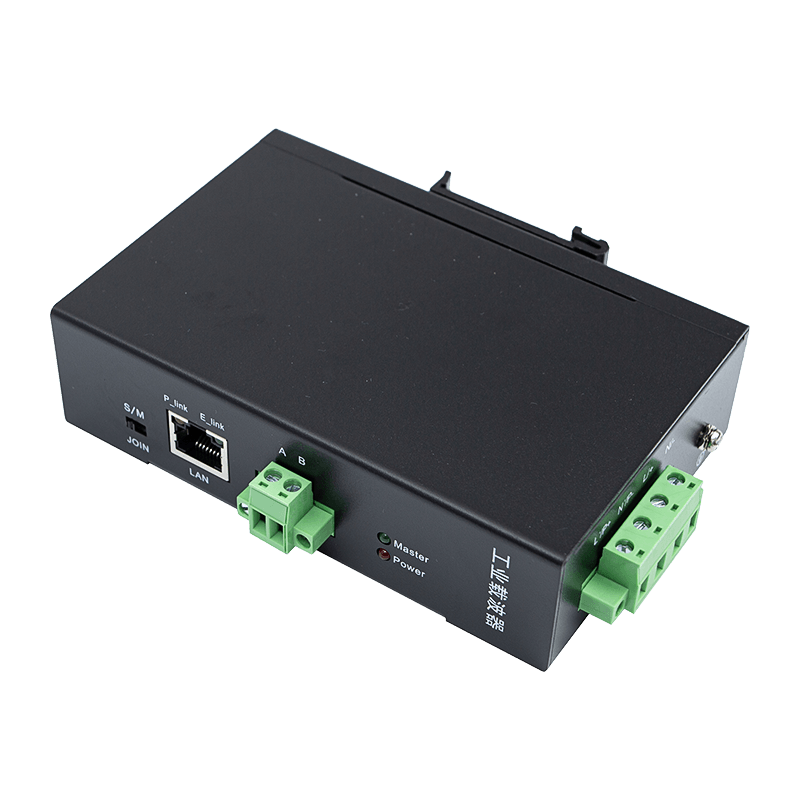
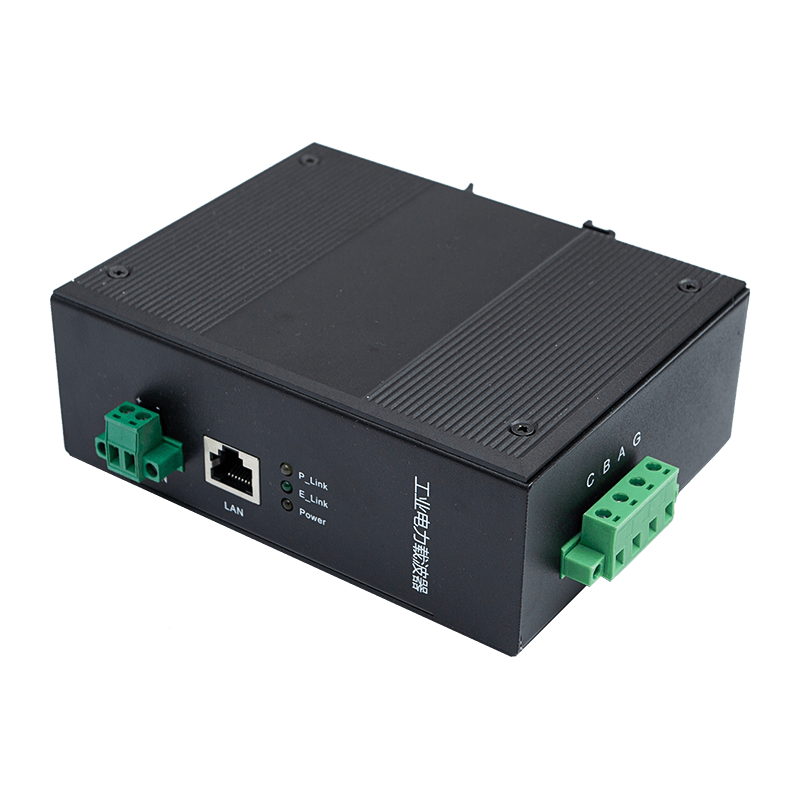
Energy monitoring follows the same pattern. Power meters, submeters, and panel instruments already sit on the electrical network. Adding H-PLC modules to those meters creates a communication path without disturbing the metering wiring, and the same network can carry time-series energy data for the whole plant. H-PLC modules such as the KS series are built for this drop-in role: one unit per panel, connected to the local sensors on one side and to the powerline on the other.
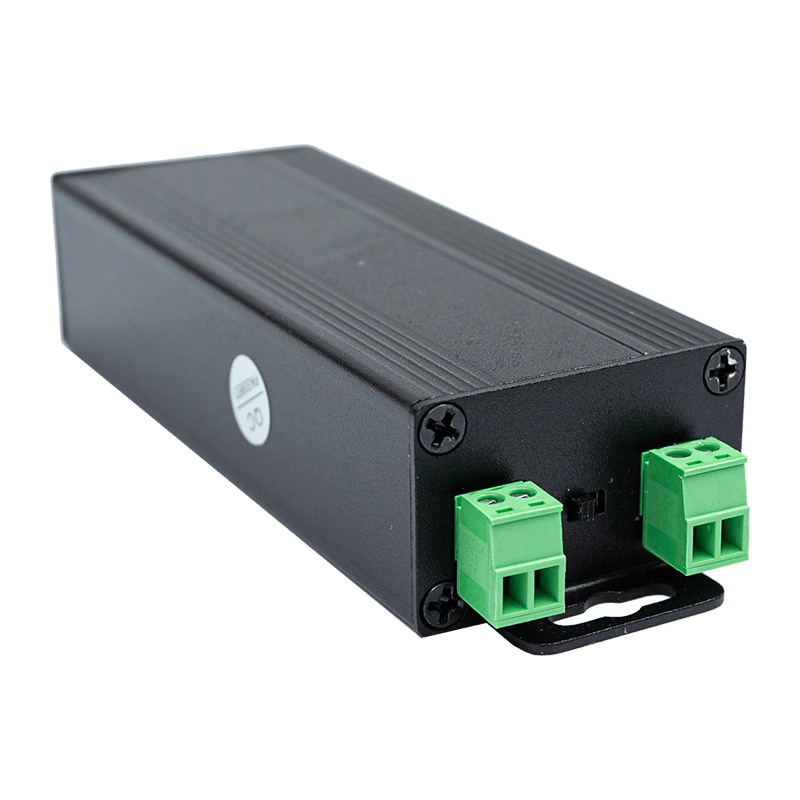 KS800N Broadband Powerline Transceiver for Industrial H-PLC NetworksBased on IEEE P1901 with OFDM, this module offers transparent Ethernet data transmission, AES-128 encryption, and up to 100 Mbps over existing power lines. Its drop-in design suits energy monitoring and plant communication upgrades without rewiring.View Product →
Maintenance communications also benefit. In plants without a dedicated intercom backbone, PLC digital telephones connect control rooms, pump stations, and motor control centers over the existing power lines. Voice traffic tolerates a few tens of milliseconds of delay, which fits the latency profile of broadband PLC.
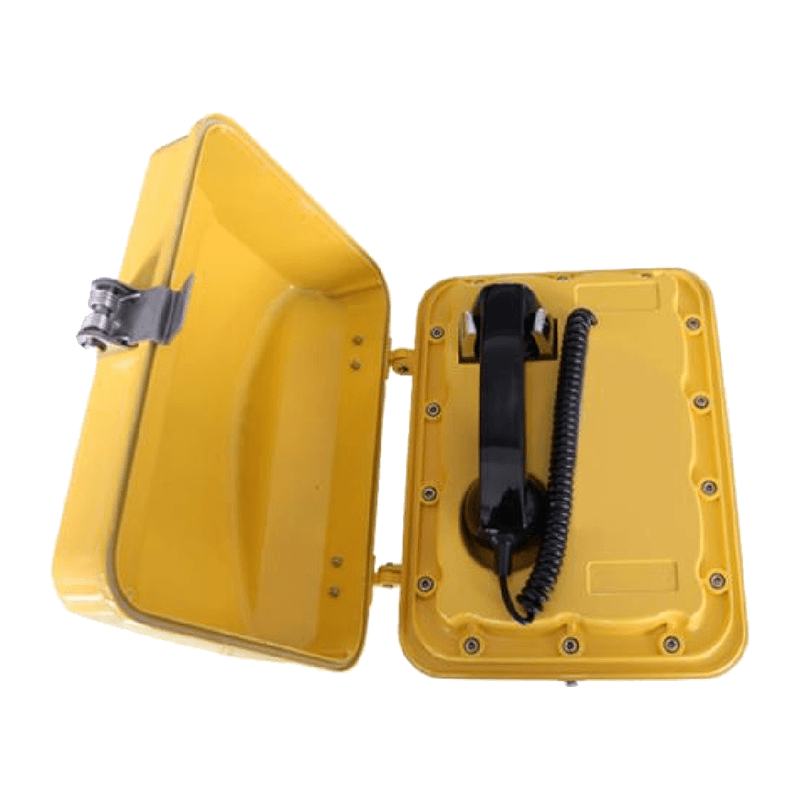 FB220 AC Explosion-Proof Digital Telephone for Hazardous AreasRated IP68 with aluminum alloy build and WF1 corrosion protection, this phone connects in parallel to AC 0-220V signal lines while requiring DC 24V power. It provides 50W output for reliable voice communication in high-risk industrial plants.View Product →
Typical IIoT payloads suited to broadband PLC include vibration and temperature trends, power and energy logs, machine status words and alarms, voice intercom calls, and over-the-air updates to remote I/O. Keep high-bandwidth bursts away from latency-sensitive traffic by separating them into different network domains.
Why Signal Integrity Is the Real Battleground
The main risk in broadband PLC is not throughput, it is noise. Motor drives switch at kilohertz rates; soft starters, UPS units, and switching power supplies inject broadband interference into the very conductors that carry the data. Poor grounding makes it worse by creating neutral-to-ground currents that shift the reference potential the modem depends on.
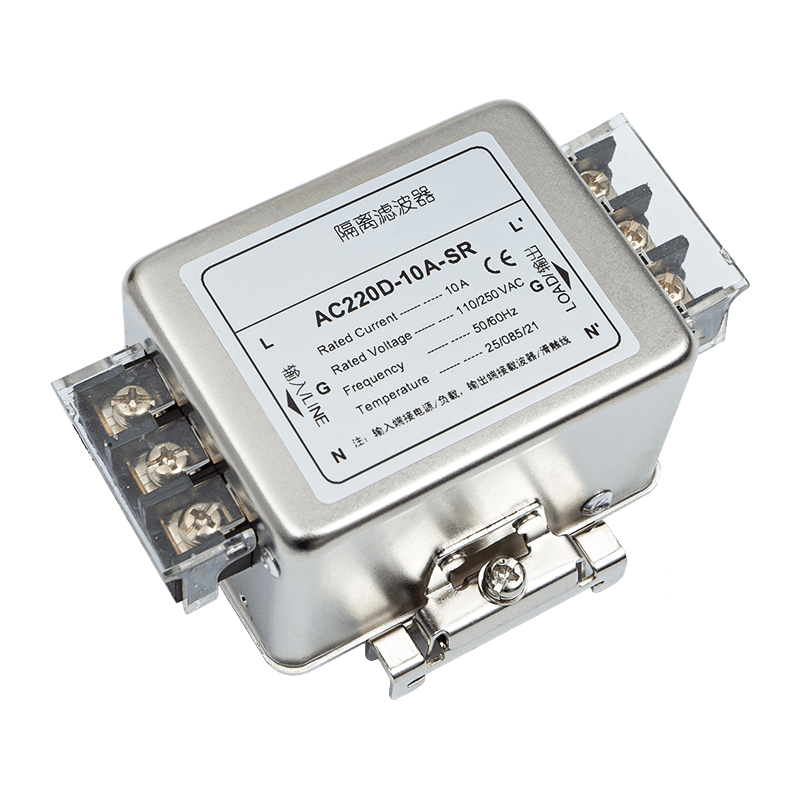
The most reliable deployments treat the electrical network like a data network. Isolate noisy feeders at branch points, keep PLC domains away from the largest drives where possible, and install an isolation filter in series with the modem where interference is heavy. An isolation filter such as the AC220D sits between the mains and the modem and attenuates the noise that would otherwise mask the data signal.
 AC220D Single-Phase Isolation Filter for Powerline Noise ReductionConnected in series on power lines, this filter blocks interference from grid loads and harmonics while isolating carrier signals. It prevents overvoltage, overcurrent, and false tripping, ensuring stable broadband PLC performance in demanding installations.View Product →
The practical methods for reducing noise in broadband power line communication deserve more attention than headline modem speed; they are the difference between a network you can rely on and one that degrades whenever the line is heavily loaded.
Also plan for phase coupling. In three-phase factories, loads are spread across phases, and nodes on different phases may not hear each other without a phase coupler at the distribution board or a filter with good inter-phase behavior.
How to Choose Broadband PLC Hardware Without Over-Specifying
Selecting broadband PLC for industrial IoT is not like buying a home powerline adapter. The industrial checklist is longer:
- Net throughput at the distance and noise level you actually have, not the physical-layer maximum
- Number of nodes per domain and how the modems handle traffic contention
- Multi-hop capability, including the maximum number of hops before latency becomes noticeable
- Operating voltage range, typically 220 V to 380 V AC, plus DC options for 24 V control cabinets
- Operating temperature, humidity, and mounting method, with DIN rail preferred in most panels
- Security features, including AES encryption and device pairing
- Management tools for node discovery, signal quality, and packet error rate
Rule of thumb: size for telemetry, not for file transfers. A network carrying status and energy data from 50 machines uses a small fraction of the physical-link capacity; the remaining margin is what protects you during motor starts and load changes.
Q1: Can broadband PLC work across all three phases in a factory?
Only if the network includes a phase coupler at the distribution point, or if the modems are designed to handle inter-phase communication. Without coupling, nodes on different phases usually cannot reach each other reliably.
Tens of nodes per domain are common with telemetry-sized traffic, and some implementations support more than a hundred. Split large plants into multiple domains when bulk transfers are frequent.
Q3: Is broadband PLC secure enough for production data?
Current H-PLC systems support AES encryption and device pairing. Treat the powerline segment like any production VLAN: enable security, restrict management access, and do not expose the gateway directly to the office network.
Q4: Will broadband PLC disturb other equipment connected to the same line?
PLC injection levels are low and stay inside the permitted frequency band, so they do not disturb motor controllers or protection relays. The bigger practical risk runs in the opposite direction: mains noise masking the PLC signal, which is why isolation filters matter.
What to Check Before You Commit to Broadband PLC
Run a controlled pilot on the noisiest feeder in the plant before scaling out. Measure packet loss, latency, and throughput during normal production and during motor starts, because those are the worst-case moments for mains-borne noise.
- Choose one feeder with mixed loads and at least five nodes
- Measure during normal production and again during motor starts
- Compare results with and without isolation filters
- Confirm that nodes on different phases can communicate
- Check the thermal environment inside the cabinets where the modems will live
The goal of the pilot is to confirm that the H-PLC modules and filters you selected work on your specific wiring, not just on the vendor's demonstration bench. Broadband PLC is a proven, cost-effective transport for industrial IoT when it is chosen and installed with the same care as any other network. Begin with the worst feeder, filter where needed, and expand based on measured data.
At ASY Electronics, we build H-PLC modules, isolation filters, and PLC digital telephones specifically for this class of deployment. If you are evaluating broadband PLC for a smart factory project, start with your actual machine list and electrical drawings, then test on the worst feeder. The right answer is measurable. Explore our industrial connectivity portfolio to see how these pieces fit together.