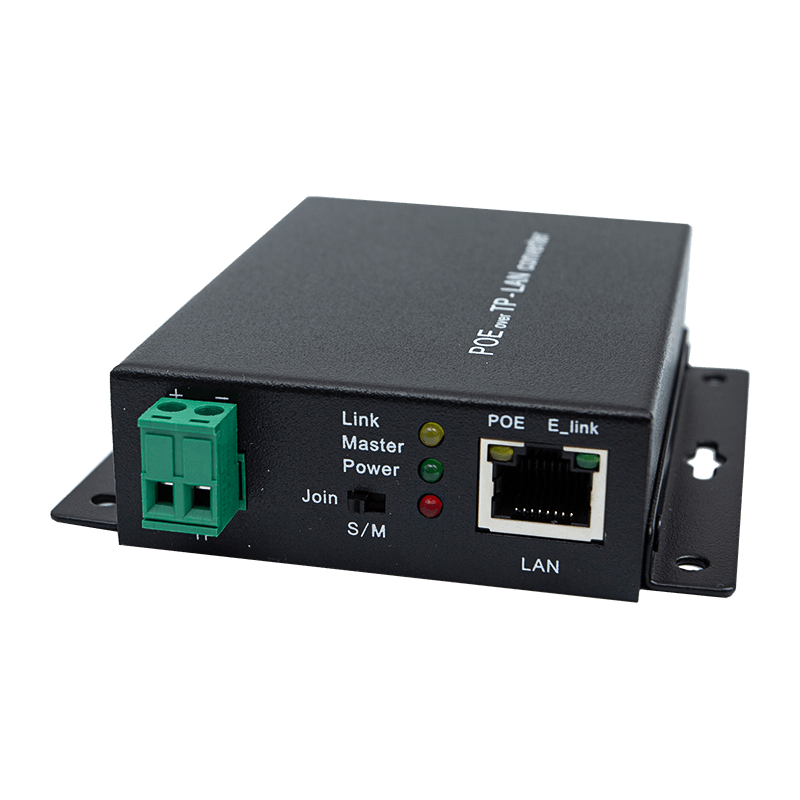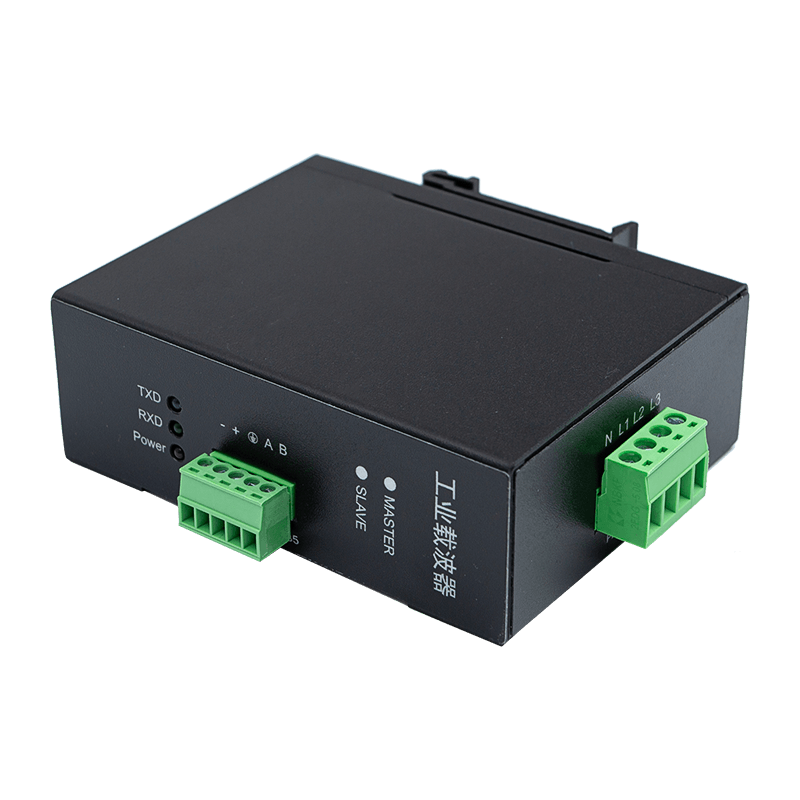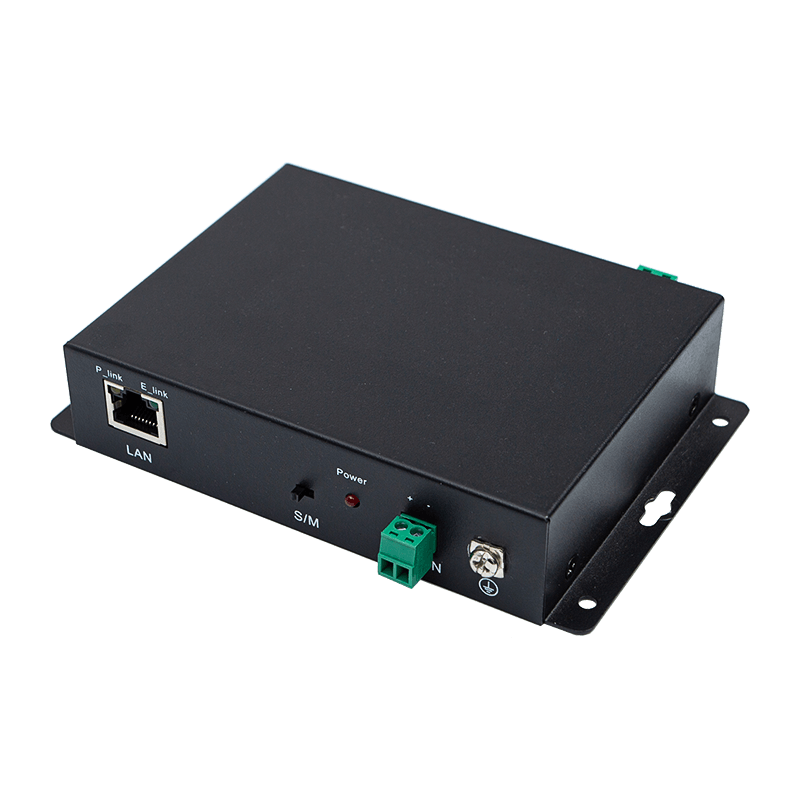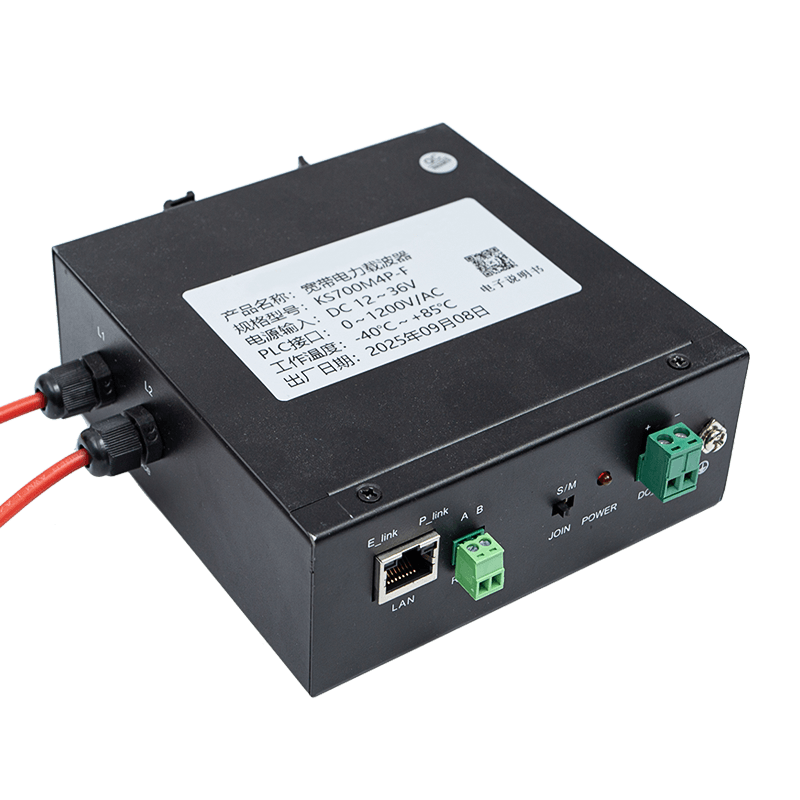


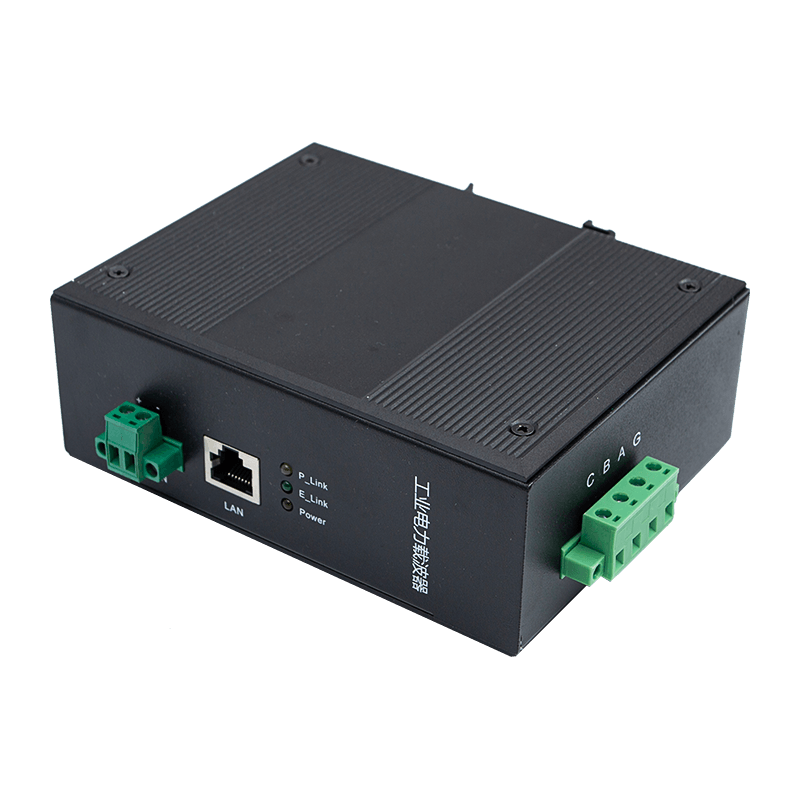
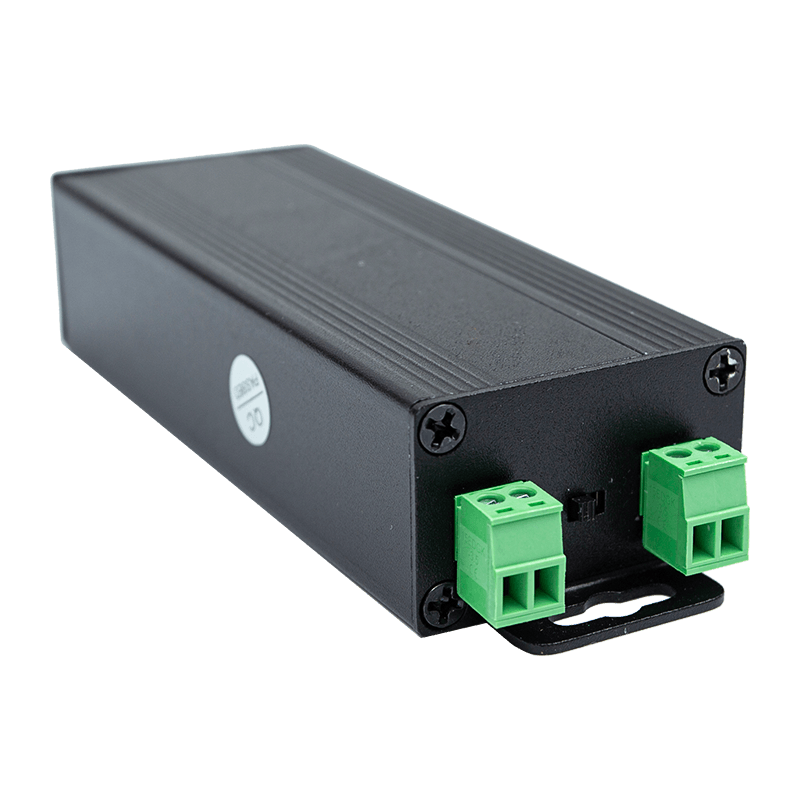
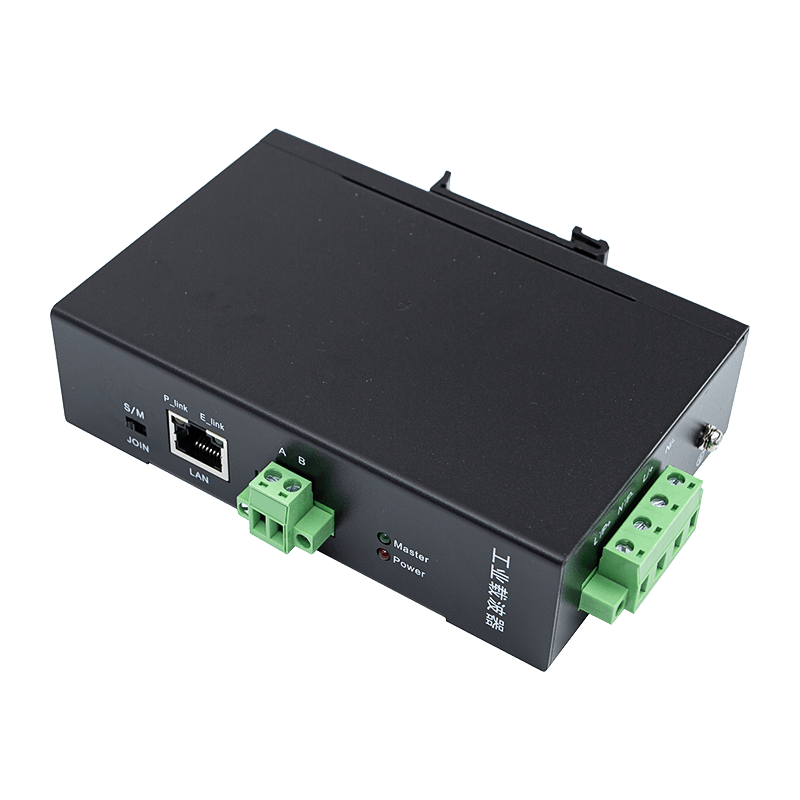
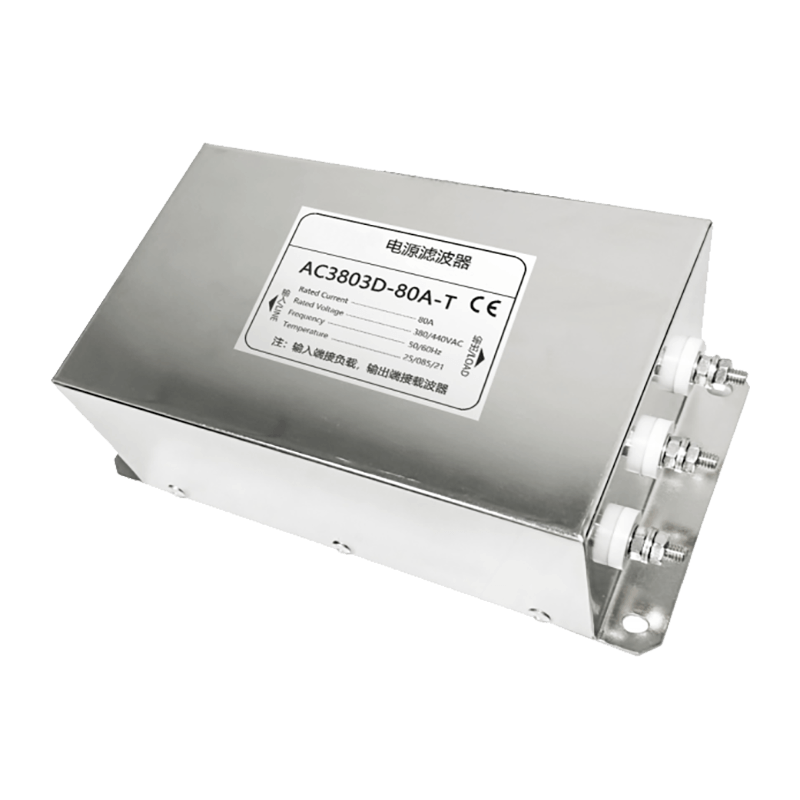
As global energy systems undergo deep decarbonization and digitization, Smart Grid infrastructure faces unprecedented demands for real-time monitoring, distributed energy integration, and resilience. Conventional communication channels—whether cellular, RF mesh, or narrowband power line—struggle with either coverage, latency, or data throughput. This is where High-speed Power Line Communication(HD-PLC) redefines the landscape, offering broadband-over-power-line (BPL) capabilities that fuse energy delivery with high-fidelity data connectivity.
The Communication Bottleneck in Modern Smart Grids
Advanced metering infrastructure (AMI), fault detection, and distributed energy resource (DER) coordination require bi-directional, low-latency communication. Traditional options exhibit critical gaps:
- Wireless (NB-IoT, LoRa, Zigbee): Susceptible to interference, spectrum congestion, and underground/remote coverage loss.
- Narrowband PLC (G3-PLC, PRIME): Data rates below 1 Mbps; inadequate for real-time voltage control or waveform monitoring.
- Fiber optics: High cost and disruptive deployment in existing distribution networks.
Without a unified, high-speed medium, grid operators cannot achieve sub-second fault localization or adaptive protection. High-speed Power Line Communication(HD-PLC) directly solves this by transforming legacy power cables into multi-gigabit-capable digital arteries.
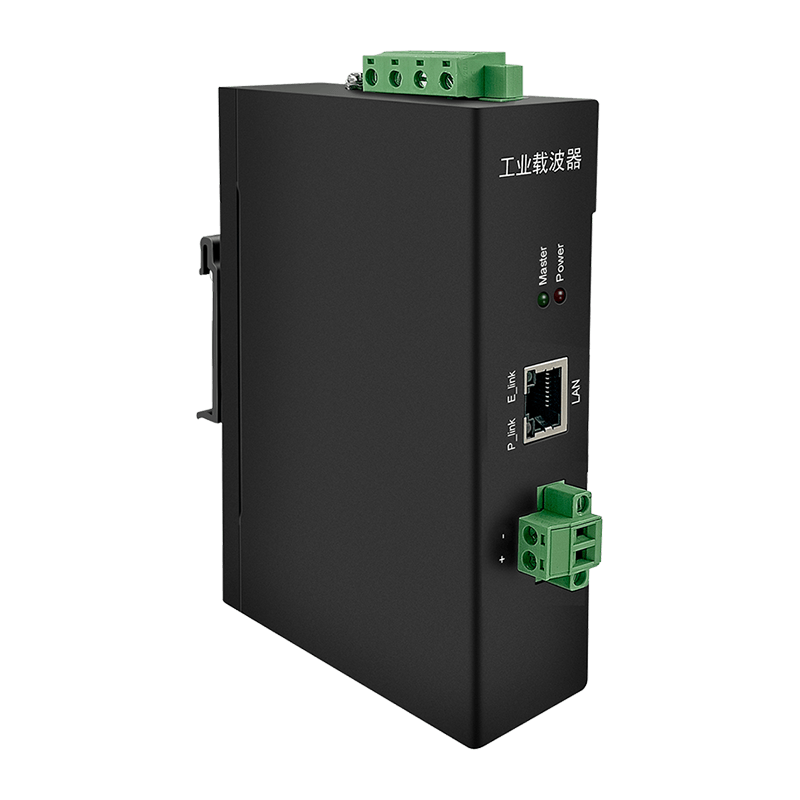
Integrated smart grid communication infrastructure leveraging broadband over power lines (BPL).
Understanding HD-PLC: Core Mechanisms and Differentiators
HD-PLC technology operates in the 2–28 MHz band (extendable up to 80 MHz) using wavelet OFDM and a unique Differential Code Shift Keying (DCSK) scheme. This provides exceptional noise immunity and dynamic notching to avoid amateur radio bands. Key technical differentiators include:
High physical layer throughput
Up to 1 Gbps (aggregate) with the latest IEEE 1901-2020 compliant high-speed PLC transceiver designs, enabling simultaneous voltage/current data and high-definition waveform capture.
Multi-hop mesh & repeater logic
Automated store-and-forward over up to 20 hops, crossing distribution transformers with minimal latency, a feature absent in legacy narrowband PLC.
Compared to traditional broadband over power lines (BPL) systems of the early 2000s, HD-PLC introduces adaptive spectrum management, AES-128 encryption, and IPv6-ready convergence sublayers. The table below summarizes performance leadership against common grid communication alternatives.
| Parameter | HD-PLC (BPL) | Narrowband PLC | Wireless (RF Mesh) |
|---|---|---|---|
| Peak Data Rate | >500 Mbps (practical: 200 Mbps) | ≤1 Mbps | ≤250 kbps (sub-GHz) |
| Latency (typical) | 5–15 ms (end-to-end, 4 hops) | 100–500 ms | 20–100 ms |
| Transformer crossing | Yes (via advanced coupling) | Limited | N/A |
| Channel security | Layer-2 AES-128 + dynamic key | Basic encryption | Depends on protocol |
| Deterministic QOS | Yes (4 priority classes) | No | Best effort |
For broadband over power lines providers, HD-PLC unlocks new service models: from predictive grid analytics to broadband internet for underserved rural communities, all via existing medium/low-voltage lines.
HD-PLC as the Core of Next-Gen Smart Grid Communication Infrastructure
A robust smart grid communication infrastructure must unify substation automation, feeder remote terminal units (RTUs), EV charging clusters, and residential DER controllers. The following SVG illustrates a hierarchical architecture where HD-PLC bridges primary substation backbone to edge nodes.
This topology eliminates the need for separate backhaul wiring: each high-speed PLC transceiver acts as a router, synchronizing sampled values with timestamp accuracy below 10 µs. Global case studies (European distribution system operator trials) reported 99.97% packet delivery over 2 km of overhead lines with 8 hops.
Quantitative Advantages: Latency, Throughput, and Reliability
Real-world deployments of HD-PLC for secondary substation automation show transformative improvements over legacy solutions. Aggregated metrics from field pilots (total feeder length > 800 km):
Furthermore, HD-PLC’s dynamic notching mitigates amateur radio interference—a historical barrier for BPL. Using broadband over power lines providers as the service layer, utilities can lease dark-fiber substitutes on distribution lines, creating new revenue streams without civil works.
Why it matters for grid resilience: In a 2023 controlled fault test, HD-PLC-based directional overcurrent protection cleared faults in 45 ms (including relay time), versus 520 ms for a wireless fallback. Sub-cycle response enables true adaptive protection for DER-rich feeders.
Deployment Realities: Overcoming Attenuation, Transformers, and Noise
No power line medium is perfect. HD-PLC tackles three intrinsic challenges via adaptive techniques:
- Transformer bypass: Capacitive couplers or side-channel injection enables cross-transformer communication – a game-changer for MV-to-LV bridging.
- Impulsive noise (e.g., solar inverter switching): DCSK modulation with time-domain blanking reduces bit error rate from 1e-3 to 1e-7.
- Frequency-selective fading: Wavelet OFDM with per-tone bit loading maintains 80% throughput even under deep notches.
The table below summarizes engineering tactics adopted by leading system integrators (anonymized).
| Challenge | HD-PLC Mechanism | Performance Gain |
|---|---|---|
| Signal attenuation over 2 km | Multi-hop relay (up to 254 nodes per domain) | Extends coverage to >15 km |
| Interference from broadcast bands | Dynamic spectral notching (2-28 MHz, 256 notches) | Complies with FCC/CEPT masks |
| Latency jitter for protection | TDMA + priority queuing (IEC 61850 mapping) | σ(latency) < 2 ms |
For smart grid communication infrastructure designers, HD-PLC provides deterministic behavior even when coexisting with other BPL services. Field tests confirm that an HD-PLC-based AMI network can support simultaneous 4k video streams from pole-top cameras without packet loss—opening new visual inspection possibilities.
Ecosystem Evolution: From Grid Automation to Transactive Energy
Next-phase smart grids will host millions of intelligent edge nodes: solar inverters, battery storage, bidirectional EV chargers. HD-PLC’s native IPv6 support (6LoWPAN adaptation) allows seamless integration with IoT frameworks. broadband over power lines providers can deploy HD-PLC as a universal carrier, enabling:
- Real-time distributed energy resource management system (DERMS) telemetry at 100 ms granularity.
- Peer-to-peer energy trading settlement messages with hardware-level timestamping.
- Pre-fault oscillation detection using high-sampling-rate voltage waveforms (192 ksps via HD-PLC transceiver).
Interoperability with wireless backhaul (5G, satellite) is also standardized: the IEEE 1901-2020 profile includes coexistence beacons for hybrid media. A large Asian utility recently replaced its aging RF mesh with an HD-PLC overlay, reducing annual communication OPEX by 37% while adding 2500 new monitored nodes.
With the rise of High-speed Power Line Communication(HD-PLC) as the leading BPL standard, industry roadmaps indicate 75% of new distribution automation projects will include HD-PLC-ready interfaces by 2030 (Navigant-style forecast).
Frequently Asked Questions: HD-PLC for Smart Grids
Q1: What makes HD-PLC different from traditional broadband over power lines (BPL) from the early 2000s?
A1: Unlike first-generation BPL which suffered from severe amateur radio interference and lacked regulatory compliance, HD-PLC uses adaptive dynamic notching and wavelet OFDM, providing spectrum coexistence and 10x better noise immunity. Also, HD-PLC natively supports multi-hop mesh and advanced encryption, making it grid-grade.
Q2: Can HD-PLC cross distribution transformers without extra hardware?
A2: Standard capacitive couplers on the secondary side bypass the transformer’s high-frequency attenuation. For LV networks, HD-PLC transceivers implement automatic routing across transformer boundaries via inter-repeater protocol, ensuring end-to-end connectivity.
Q3: What data rates are actually achievable in noisy MV line environments?
A3: Field measurements show typical net throughputs of 90–180 Mbps for MV lines (2 km, 10 dB SNR). In heavily loaded industrial feeders, rate adaption maintains >45 Mbps, sufficient for 8-channel synchrophasor data.
Q4: How does HD-PLC ensure cybersecurity in a grid context?
A4: HD-PLC incorporates AES-128 link-layer encryption, secure key exchange via EAP-TLS, and per-hop authentication. Additionally, it supports 802.1X port-based network access control, aligning with NISTIR 7628 guidelines for smart grid substations.
Q5: Is HD-PLC compatible with existing narrowband PLC deployments (e.g., G3-PLC)?
A5: Yes, the HD-PLC protocol stack includes a coexistence mode that blanks sub-bands used by narrowband PLC. Overlaying HD-PLC on the same medium is possible via frequency division and priority-based CSMA/CA.