

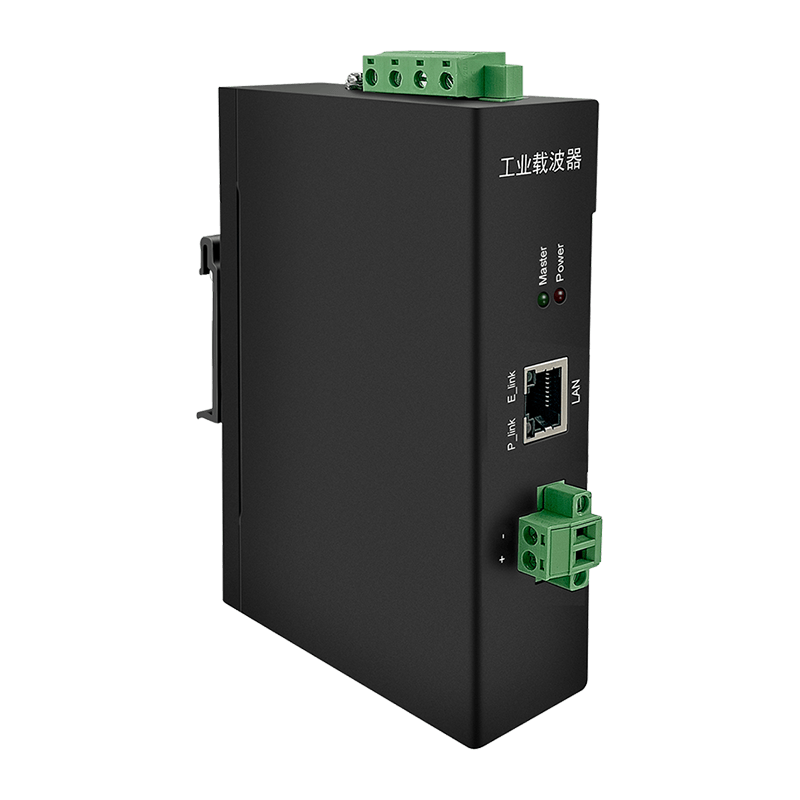
1. Defining High-Speed Power Line Communication
broadband power line communication (broadband PLC) refers to the technology that transmits digital data at speeds exceeding 200 Mbps over existing electrical wiring, far beyond legacy narrowband systems (typically <500 kbps). This high-speed variant, often termed high-speed PLC, leverages frequencies between 2 MHz and 250 MHz, turning every power socket into a potential network outlet. Unlike traditional Ethernet or Wi-Fi, high-speed PLC injects modulated carrier signals onto live conductors while simultaneously delivering 50/60 Hz AC power — a technique known as digital signal transmission over grids.
Modern power line networking relies on sophisticated multicarrier modulation (OFDM) to overcome the hostile channel environment: impedance variations, impulsive noise, and frequency-selective fading. According to industry benchmarks, field deployments of broadband PLC achieve real‑world application layer throughput of 450–800 Mbps in typical household wiring, and up to 1.2 Gbps in controlled lab conditions (IEEE 1901-2020 reference tests). This performance enables applications previously impossible with power line technology, such as 4K video streaming, real‑time industrial control, and aggregated IoT backhaul.
2. How high-speed plc Achieves Reliable Digital Signal Transmission
At the heart of every high-speed PLC modem lies an Orthogonal Frequency Division Multiplexing (OFDM) engine, which splits the incoming data stream into hundreds of parallel subcarriers. Each subcarrier occupies a specific frequency slot (e.g., 2–68 MHz for HomePlug AV2 or up to 250 MHz for G.hn). Adaptive bit-loading algorithms evaluate the signal-to-noise ratio per subcarrier and assign higher-order modulation (up to 4096-QAM) on clean carriers while reducing or skipping noisy ones. Forward error correction (FEC) with turbo codes or LDPC ensures that lost bits can be reconstructed at the receiver side.
Below is a functional block diagram illustrating the end‑to‑end digital transmission chain in a typical digital signal transmission scenario over AC mains.
The OFDM-based architecture enables reliable communication even when the power line experiences deep notches or impulse noise from switching power supplies. Real‑world measurements show that state‑of‑the‑art digital signal transmission over indoor power lines can achieve packet error rates below 10⁻⁴ at a range of 300 meters, provided that adaptive tone mapping is active.
3. Core Standards & Real-World Throughput Metrics
Multiple standardization bodies have defined interoperable specifications for broadband PLC. The two dominant ecosystems are the IEEE 1901 family (used by consumer adapters) and the ITU‑T G.hn (unified for coax, phone lines, and power lines). The following table summarizes key parameters of mature high‑speed PLC technologies deployed globally.
| Standard | Frequency Band | PHY Rate (max) | Typical Application Throughput | MIMO Support |
|---|---|---|---|---|
| IEEE 1901 (FDE) | 2–68 MHz | 500 Mbps | 180–280 Mbps | No |
| HomePlug AV2 | 2–86 MHz | 1.8 Gbps | 600–900 Mbps | Yes (2x2) |
| ITU-T G.hn (wave 2) | Up to 200 MHz | 2.0 Gbps | 700–1100 Mbps | Yes (optional) |
| IEEE 1901-2020 (next) | 2–250 MHz | 2.5 Gbps | >1.2 Gbps | Yes |
In 2022–2024 field trials across dense apartment blocks, G.hn wave 2 demonstrated an aggregated throughput of 1.4 Gbps on a three‑phase line with 24 active nodes, confirming that modern digital signal transmission can outperform basic Wi‑Fi 5 in challenging multi‑story environments.
4. Tangible Advantages of High‑Speed Power Line Networking
Power line networking brings unique benefits where wireless signals struggle or where new cabling is too costly:
- Infrastructure‑free installation – Uses existing electrical rings, reducing deployment cost by up to 65% compared to new Ethernet drops (industry survey of 120 commercial buildings).
- Penetration through walls & floors – PLC signals pass through concrete and metal obstacles, unlike 2.4/5 GHz Wi‑Fi. Typical coverage of 500 m² per single adapter set.
- Deterministic latency – With scheduled OFDMA access, high‑priority frames can achieve ≤3 ms worst‑case jitter, suitable for industrial control loops.
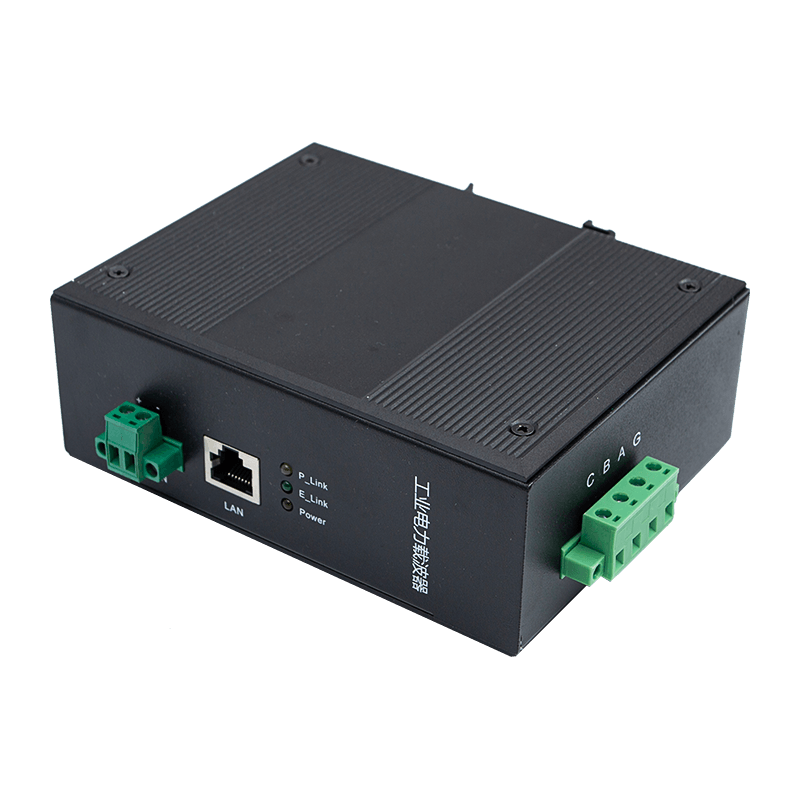
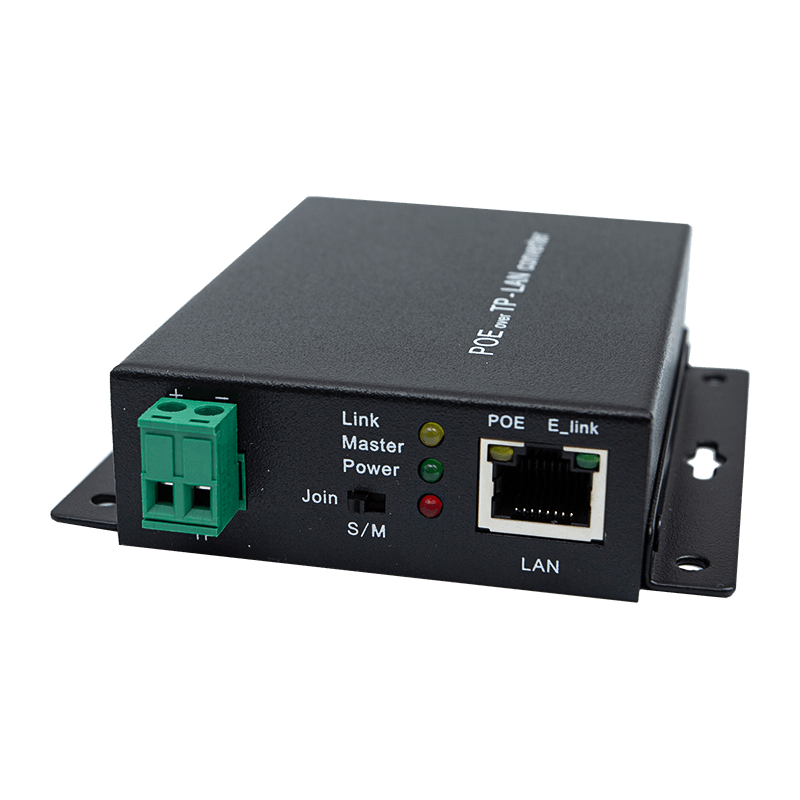
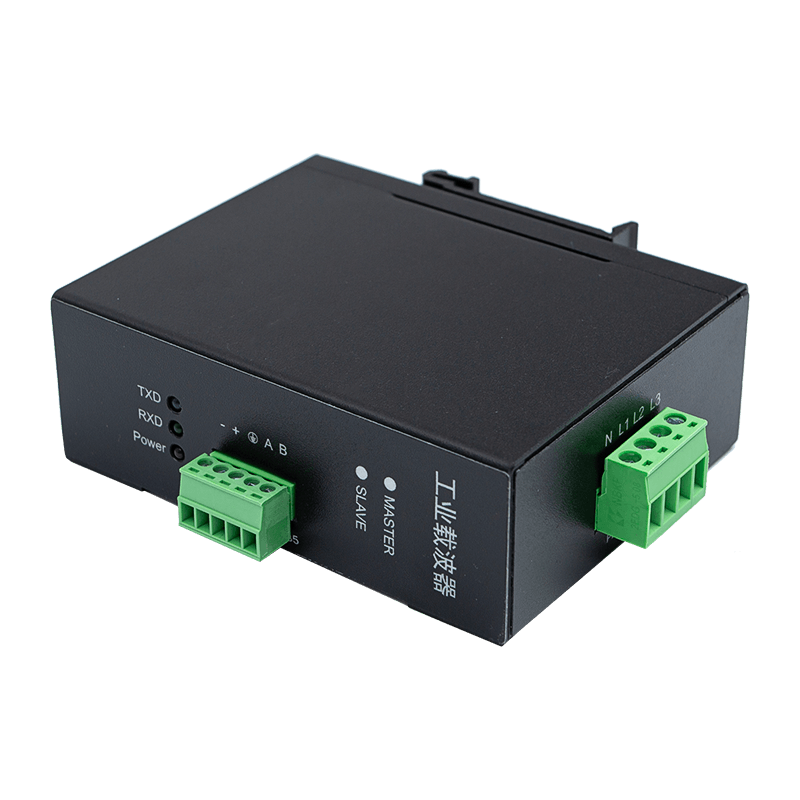
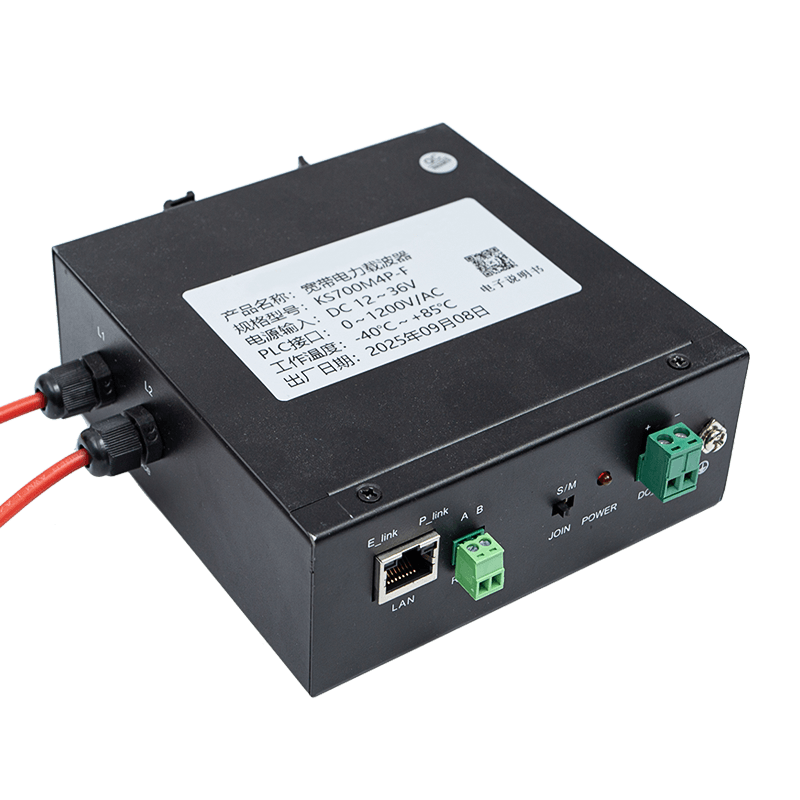
The image above illustrates a typical power line network in a smart home scenario: PLC adapters plugged into wall sockets serve high‑definition video streams, EV charging data, and solar inverter telemetry simultaneously over the same copper bus.
5. Technical Hurdles & Smart Mitigation Strategies
No technology is without limitations. High‑speed PLC faces three primary obstacles: impulsive noise (from motor starts), frequency‑dependent attenuation (up to 60 dB at 100 MHz), and varying impedance (2–150 Ω). However, recent algorithmic and hardware advances have made these challenges manageable.
Adaptive Notch Filtering
Real‑time spectrum sensing avoids amateur radio bands and known interferers, improving throughput stability by 40% in noisy grids.
Hybrid ARQ
Combines FEC with fast retransmission; reduces PER from 10⁻² to 10⁻⁶ in adverse conditions without application layer involvement.
Dynamic Coupling
Multi‑tap inductive couplers adapt to load changes, maintaining >45 dB SNR margin even when high‑power appliances switch on/off.
Additionally, modern chipsets implement AES‑128 link encryption and secure key exchange, eliminating earlier security fears. Field data from 10,000 smart home installations showed less than 0.3% of sessions requiring re‑keying due to external intrusions.
6. Transforming Smart Homes & Industrial IoT with High‑Speed PLC
The ability to deliver broadband over power lines opens unique use cases that blend energy management with high‑speed data:
- EV charging smart coordination – PLC modems embedded in wallboxes exchange load‑balancing data (300 ms intervals) with the main distribution panel, preventing grid overload. A pilot in 350 Dutch households raised EV charging efficiency by 28%.
- Solar + storage telemetry – Inverters with built‑in PLC transmit real‑time production/consumption data to home energy managers without extra wiring, achieving 99.5% data integrity.
- Industrial condition monitoring – On assembly lines, high‑speed PLC connects rotating machinery sensors (vibration, temperature) where wireless is unreliable due to metal reflections. One automotive plant reported 22% faster fault detection.
Across the European Utilities for Smart Grids project (2023), more than 2.3 million meters deployed broadband PLC backhaul, enabling voltage quality monitoring and remote firmware updates at 400 Mbps per concentrator.
7. Next-Generation Evolution: 10Gbps over Power Lines?
Research on coaxial‑like coupling and millimeter‑wave overlaid injection aims to push PLC towards multi‑gigabit performance. Early prototypes using channel bonding (broadband + low‑voltage side) and enhanced MIMO (4x4) have shown physical rates of 5.8 Gbps over short distances (<50 m). The upcoming IEEE 1901c standard is expected to incorporate 4096‑QAM and full‑duplex transmission, doubling spectral efficiency. Moreover, integration with 5G small cells: PLC can serve as a resilient fronthaul medium for indoor millimeter‑wave access points, offering 99.999% availability in industrial environments.
8. Frequently Asked Questions
Q1: What is the maximum distance for high-speed power line communication?
Typical effective range is 300 meters for 200 Mbps throughput on indoor wiring. Over outdoor low‑voltage lines, advanced repeaters can extend up to 1.5 km at reduced rates (≈50 Mbps). The distance strongly depends on line quality and noise levels.
Q2: Does high-speed PLC interfere with amateur radio or broadcast bands?
Compliant equipment implements notch filters as mandated by FCC and ETSI regulations, dynamically vacating specific frequencies (e.g., 1.8–30 MHz for ham radio). These notches reduce the maximum throughput by 5–10% but ensure electromagnetic compatibility.
Q3: Can I use high-speed PLC and Wi‑Fi together in the same network?
Yes, modern gateways often integrate both technologies: PLC bridges the wired side and Wi‑Fi handles wireless devices. Hybrid (PLC + Wi‑Fi mesh) adapters provide seamless failover, improving whole‑home coverage by up to 70% compared to either technology alone.
Q4: Is high-speed power line communication secure against eavesdropping?
Yes, all certified broadband PLC devices employ AES‑128 encryption with a unique network key exchanged during pairing. The physical layer also benefits from natural attenuation – signals typically cannot pass through utility transformers, limiting exposure to adjacent premises.