What Are the Key Differences Between Remote Wireless Temperature Sensors and Wireless Thermal Sensors in Industrial Applications?
Introduction
In industrial settings, accurate and reliable temperature monitoring is essential for safety, process efficiency, and predictive maintenance. Two widely used solutions are Remote Wireless Temperature Sensors and Wireless Thermal Sensors. While both devices monitor temperature remotely, they differ in design, application scope, and data integration capabilities.
Core Functional Differences
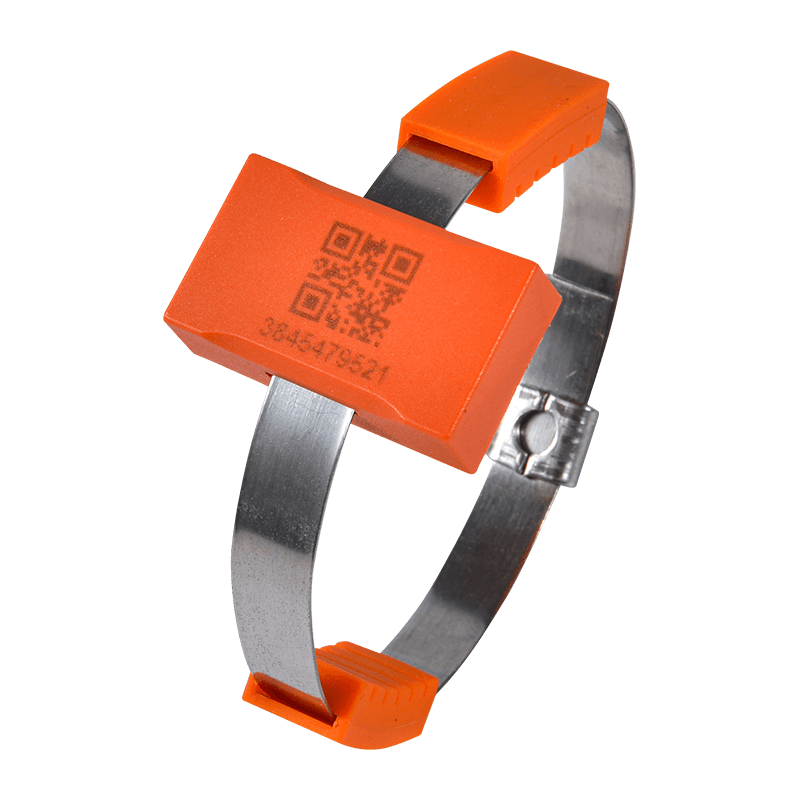
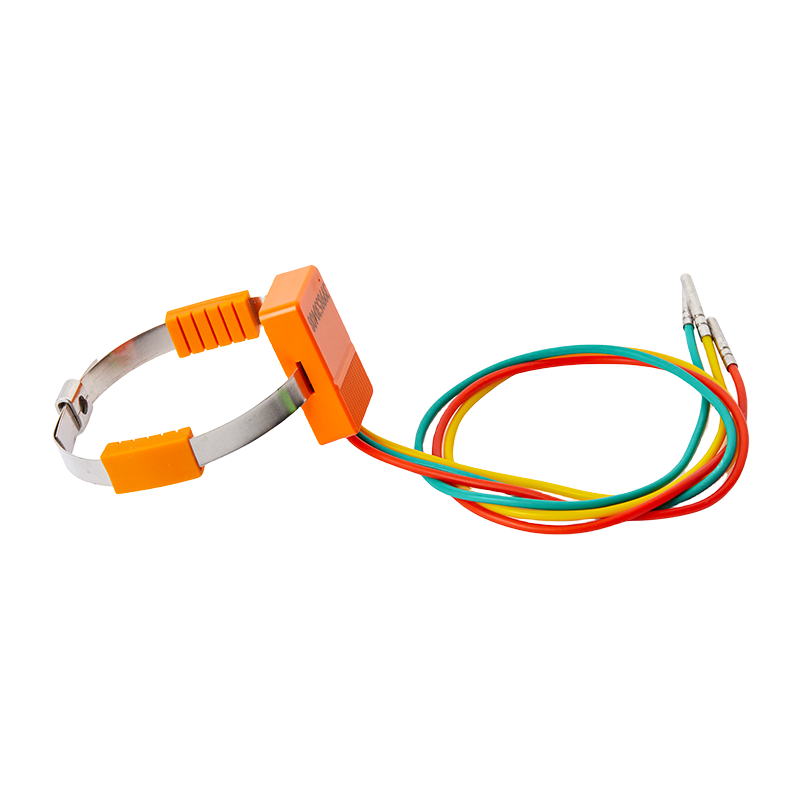
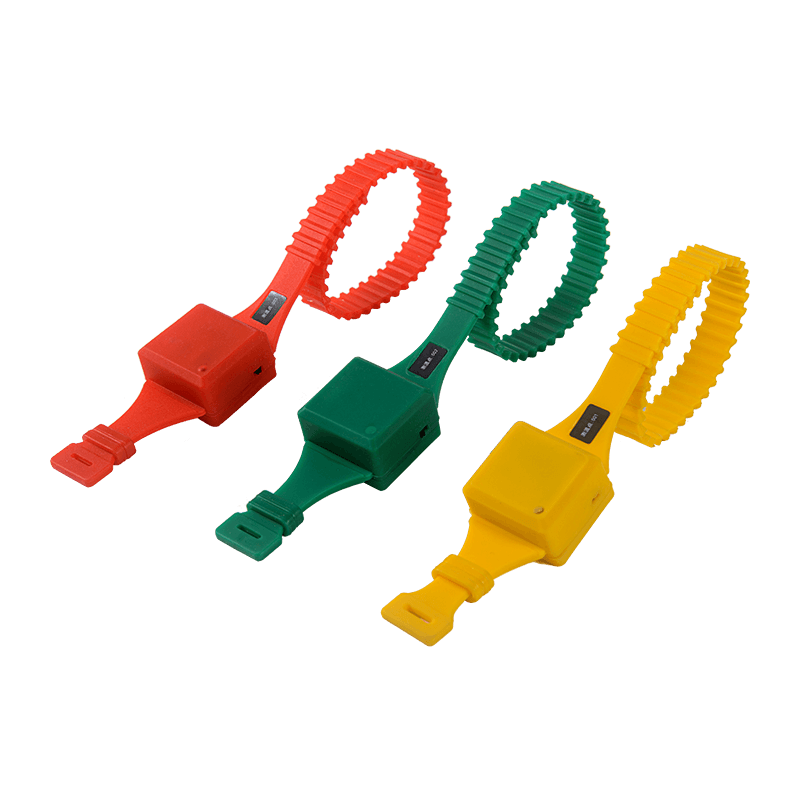
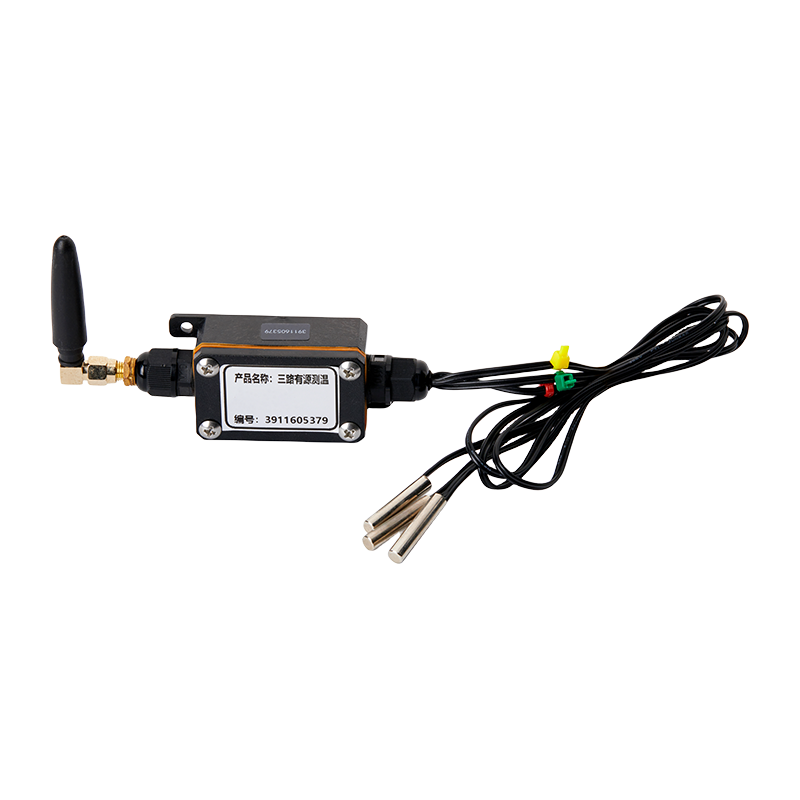
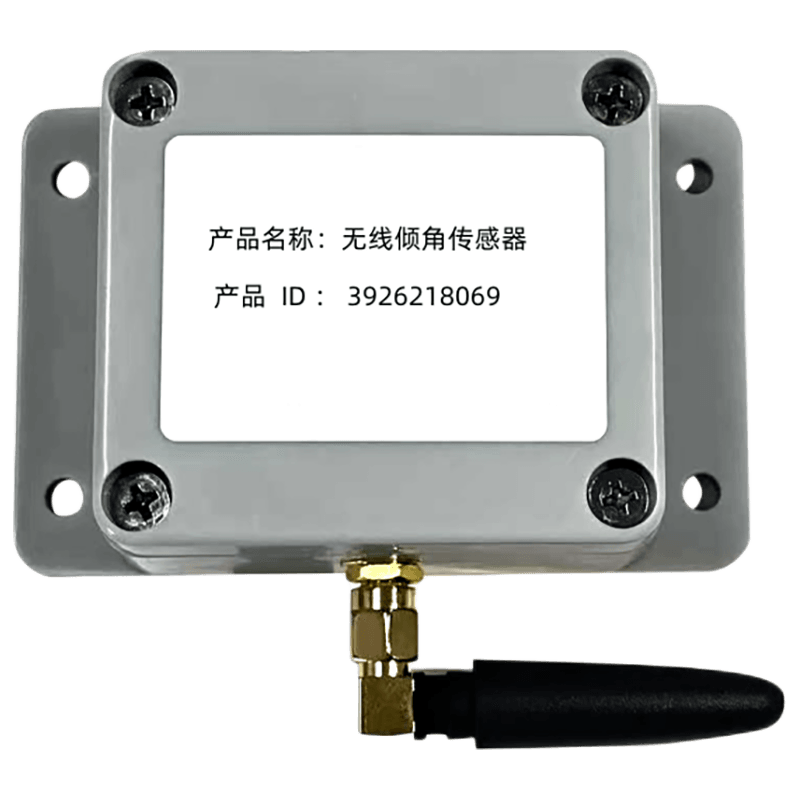
- Remote Wireless Temperature Sensors: These sensors measure temperature at specific points and transmit data wirelessly over long distances using industrial IoT protocols. They are ideal for continuous monitoring of critical equipment and processes.
- Wireless Thermal Sensors: Typically used for area or surface temperature mapping, these sensors capture thermal variations over larger areas, often using infrared technology. They are valuable for detecting hotspots, energy loss, or uneven heating in industrial systems.
Technical Parameter Comparison
| Parameter |
Remote Wireless Temperature Sensor |
Wireless Thermal Sensor |
Impact on Application |
| Measurement Type |
Point Temperature |
Area/Surface Temperature |
Point sensors monitor specific equipment; thermal sensors monitor larger surfaces or zones. |
| Temperature Range |
-40°C to 150°C |
-20°C to 250°C |
Thermal sensors cover higher temperature zones; point sensors focus on critical process points. |
| Accuracy |
±0.5°C |
±1.0°C |
Point sensors provide higher precision for control; thermal sensors provide broader monitoring. |
| Integration |
IoT-ready, edge-layer integration |
Standalone or networked via wireless mesh |
Remote sensors integrate seamlessly into smart factories; thermal sensors excel in area scanning. |
| Data Transmission |
Wireless protocols (Zigbee, LoRa, PLC) |
Wi-Fi or proprietary wireless IR |
Point sensors offer reliable continuous telemetry; thermal sensors often transmit periodic snapshots. |
Integration with Industrial IoT
ASY Electronics, a leading China-based custom power line carrier (PLC) solutions manufacturer, integrates Remote Wireless Temperature Sensors into comprehensive industrial IoT solutions. With edge-layer hardware and data integration capabilities, ASY Electronics enables enterprises to achieve intelligent connectivity, equipment condition monitoring, refined energy management, and production process optimization. By leveraging these sensors, ASY Electronics empowers smart factories to implement predictive maintenance and improve operational efficiency.
Conclusion
While both Remote Wireless Temperature Sensors and Wireless Thermal Sensors provide critical temperature data, their applications differ. Remote sensors excel in point-specific, high-precision monitoring integrated with IoT systems, whereas thermal sensors are better for surface or area temperature mapping. Companies like ASY Electronics utilize both technologies strategically to enhance industrial monitoring, optimize energy use, and drive digital transformation.
FAQ
- Q1: What environments are suitable for Remote Wireless Temperature Sensors?
A: ASY Electronics recommends these sensors for controlled industrial settings where continuous point monitoring and IoT integration are needed. They ensure high accuracy and real-time data for critical equipment.
- Q2: Can Wireless Thermal Sensors detect equipment hotspots effectively?
A: Yes. Wireless Thermal Sensors excel in mapping surface temperatures and identifying hotspots, energy losses, or uneven heating, making them valuable for preventive maintenance.
- Q3: How does ASY Electronics help enterprises choose between these sensor types?
A: ASY Electronics provides consulting and customized solutions, evaluating factory layouts, monitoring needs, and integration requirements. Their edge-layer hardware and IoT solutions ensure optimal deployment for both point and area temperature monitoring.