Product Overview
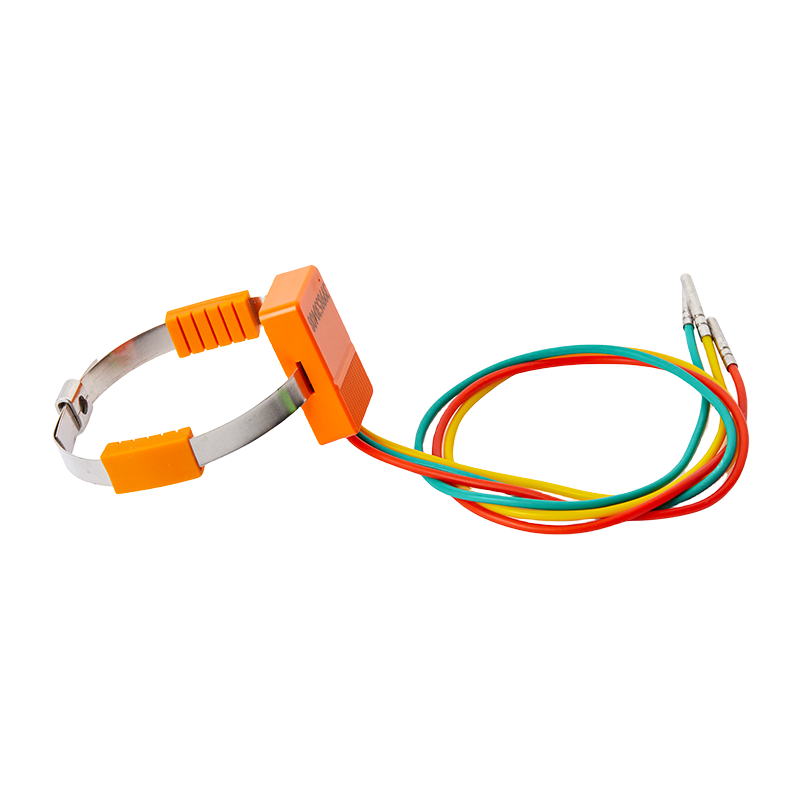
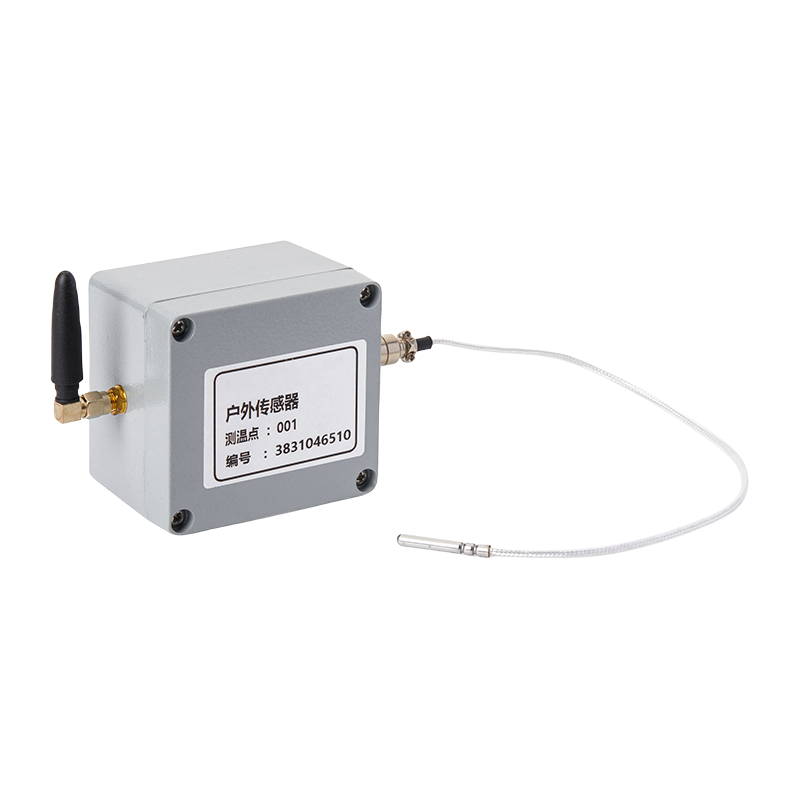
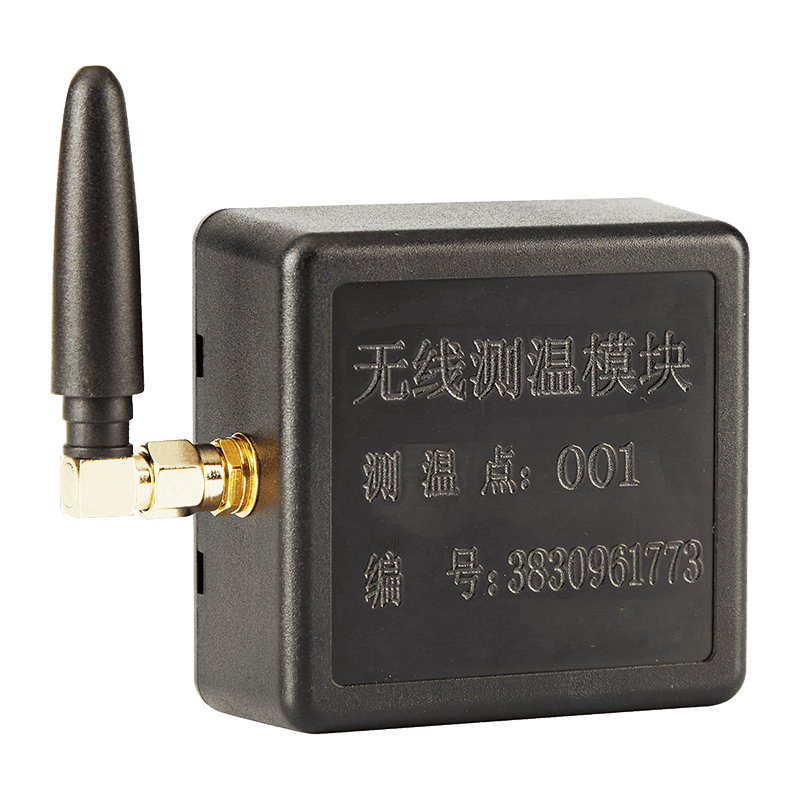
Passive wireless temperature sensor is a single-channel, high-precision passive temperature sensor composed of a temperature sensor, signal modulation and amplification device, logic control circuit, wireless communication circuit, and antenna. This temperature sensor uses CT induction power extraction technology, making it suitable for most temperature measurement scenarios with appropriate current connections. It requires no external power supply or battery power, offering significant advantages in terms of product stability and ease of installation compared to externally powered temperature sensors which are difficult to deploy and to battery-powered sensors which are susceptible to the impact of ambient temperature on their lifespan.
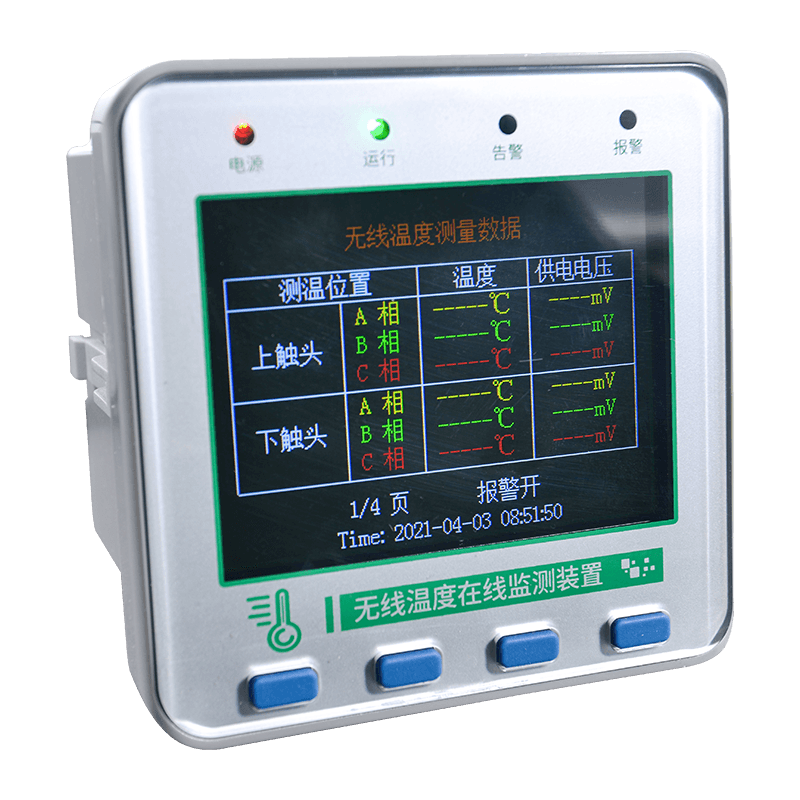
This temperature sensor features single-channel temperature detection and uses a strap-on mounting method, allowing direct contact with the object being measured for easy and secure installation. It employs ultra-low-power wireless communication, transmitting the collected three-channel temperature data to a wireless temperature measurement host via a wireless network. The product is primarily deployed in applications such as low-voltage switchgear.
Main technical parameters
|
parameter
|
Temperature measurement range: -40 ~ 150 ℃
|
|
Measurement accuracy: ±1℃
|
|
Temperature sampling frequency: 10~30 seconds ( random ) by default
|
|
Wireless frequency: 433MHz
|
|
Wireless transmission distance: ≥ 350 meters (open space)
|
|
Operating power: Inductive power , induced current greater than 3A
|
|
Starting current: < 5A
|
|
Voltage level requirement for sensor installation location: ≤ 220KV
|
|
Primary current requirement for sensor installation location: ≤5000A (For currents exceeding 5000A, please contact the manufacturer's technical personnel to assess the site conditions).
|
|
Installation method: Bundled
|
|
Main body dimensions: 24 mm * 22 mm * 10 mm
|
|
Install
Part
|
Removable high-voltage switchgear: busbars, stationary contacts, cable connections, etc.
Low-voltage switchgear: outgoing terminals, circuit breaker input and output terminals.
Tubular busbars, copper busbars, substation terminals, etc.
|
|
Fixed high-voltage switchgear: busbars, isolating switches, cable connections, etc.
|
|
Low-voltage switchgear: circuit breaker inlet, outlet, cable outlet, etc.
|
|
Installation steps
|

Step 1: Estimate the length of the installation location and insert the appropriate length through the module; insert the power-collecting plate and soft silicone into the sensor (with the corrugated side of the soft silicone facing down, aligned with the temperature sensing position).
|
|
Step 2: Wrap the module around the power source (main current path) so that the temperature measuring point contacts the part to be measured, and tighten the alloy plates on both sides; then overlap the two ends under the clips. Tighten the screws with an Allen wrench.
|