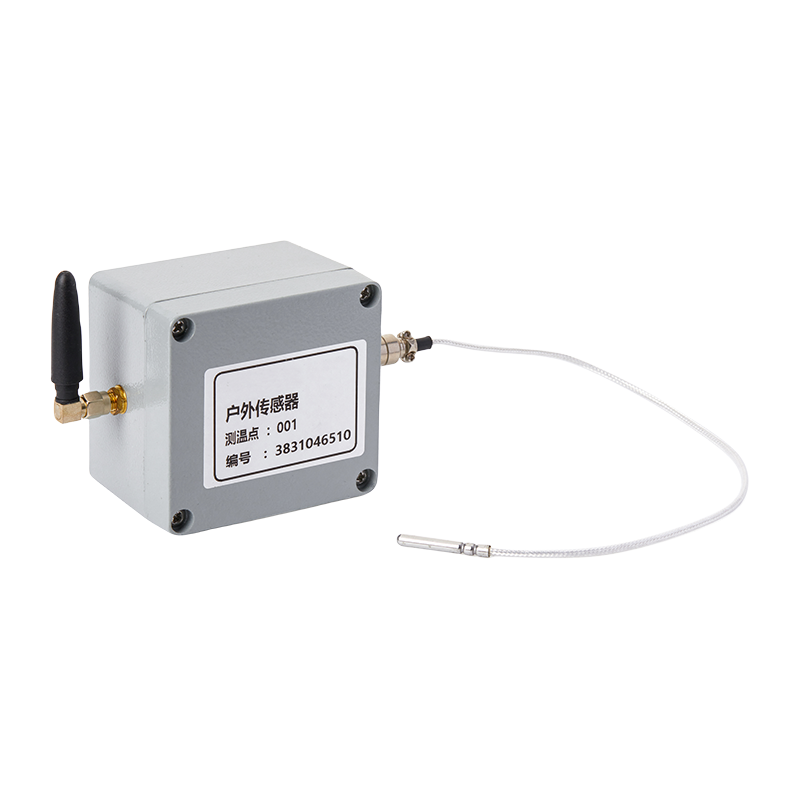


At 2:14 a.m. on a Tuesday night shift, a stamping line stopped because a busbar joint inside the main distribution cabinet had been running 38 °C hotter than its neighbours for six days. Nobody had measured it. A wired thermocouple meant pulling new conduit through a sealed cabinet, so the point never reached the maintenance list. The repair took four hours.
A threshold alarm six days earlier would have cost a two-hour planned stop on a weekend.
That gap between what is worth measuring and what is practical to wire is where wireless temperature and humidity monitoring earns its place. The benefits come down to three things: installation cost and downtime that never happen, faults caught while they are still cheap to fix, and a continuous record that compliance and process teams can trust. Battery life and radio range do not change those benefits. They decide how reliably you get them.
Typical commissioning time for one wireless node, including mounting and pairing.
Readings per point per year at a one-minute interval, each one timestamped.
Usual battery life at a five-minute reporting interval, shorter in cold rooms.
Why Wireless Wins on Cost Before It Wins on Data
Wiring a temperature point is rarely about the sensor. It is about the path to the sensor: cable tray, conduit, gland plates, fire-stop sealing, an electrician, a shutdown window and a permit to drill into a panel that was sealed at the factory. A wireless node skips all of it. The sensor mounts on a bracket, a magnet or a probe, and commissioning is a pairing step.
On a thirty-point project, hardware cost per point is usually higher for wireless; installed cost is usually lower, and the gap widens with every point far from a panel or inside a sealed enclosure. Two costs disappear entirely: cable routing design, and relocating a point when the machine it monitors is moved.
The trade-off is real, and it is mostly about cable routing, sensor placement and maintenance access. A practical comparison of wireless and wired temperature measurement is worth reading before you standardise on either approach for a whole plant.
Faults Caught While They Are Still Cheap to Fix
Temperature is a leading indicator. A loose busbar connection raises resistance, resistance raises temperature, and temperature eventually raises smoke. Bearings, motor windings, brake discs and gearbox oil follow the same pattern: a slow drift, then a failure.
Manual rounds are a snapshot. A technician walking the floor once per shift captures one moment, and the number depends on where the probe was held. A wireless point samples every 10 to 60 seconds and keeps the whole trend, including the 3 a.m. shift nobody covers.
That changes what an alarm can do. A single threshold at 45 °C fires late. A rate-of-rise rule, such as a 2 °C rise per hour on a joint that normally sits 5 °C above ambient, fires while the connection can still be re-torqued during a planned stop.
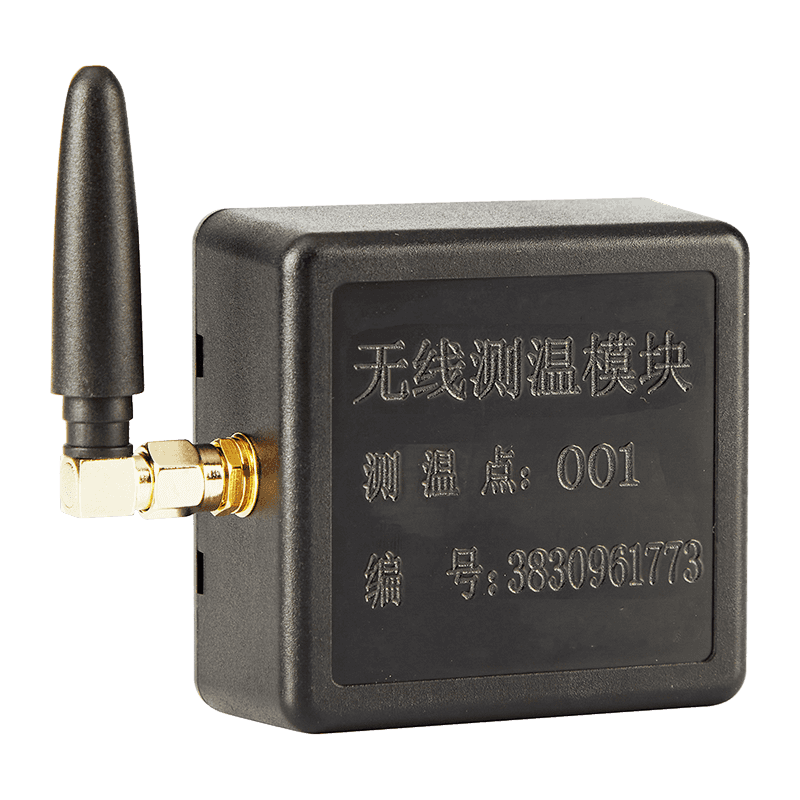
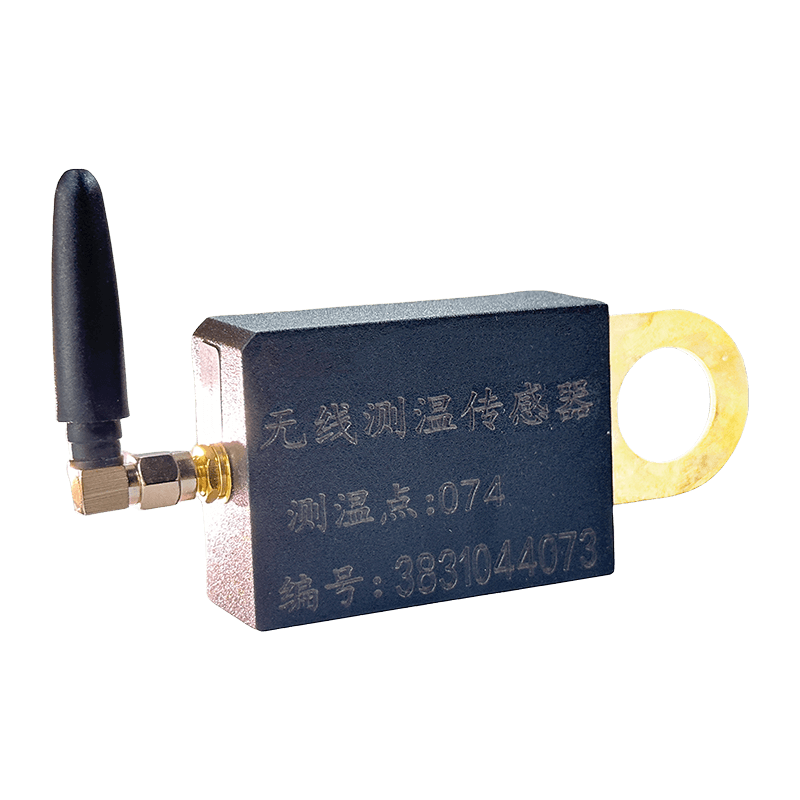
Some points only become measurable this way: the copper plate of a busbar, the rail of a metal-track conveyor, or the surface of a sealed gearbox.
Humidity Data Explains the Damage Temperature Cannot
Humidity is the slower, quieter half of the pair, and it usually produces the expensive corrosion.
Condensation does not need rain. It needs a surface below the dew point. A cabinet that warms during the day and cools after the night shift pulls moisture onto terminals and printed circuit boards. Early symptoms are intermittent faults and leakage currents. Later ones are corroded terminals, mould in storage areas and rejected product where relative humidity has to stay inside a narrow band.
Read both values together. A 24 °C reading means something very different at 30% RH and at 85% RH, and recording them on the same clock shows whether an HVAC unit is drifting or a door is being left open.
Once the data is reliable, the next step is acting on it automatically. Cabinet and room dehumidifiers can switch from the same alarm logic instead of waiting for someone to walk over with a hygrometer.
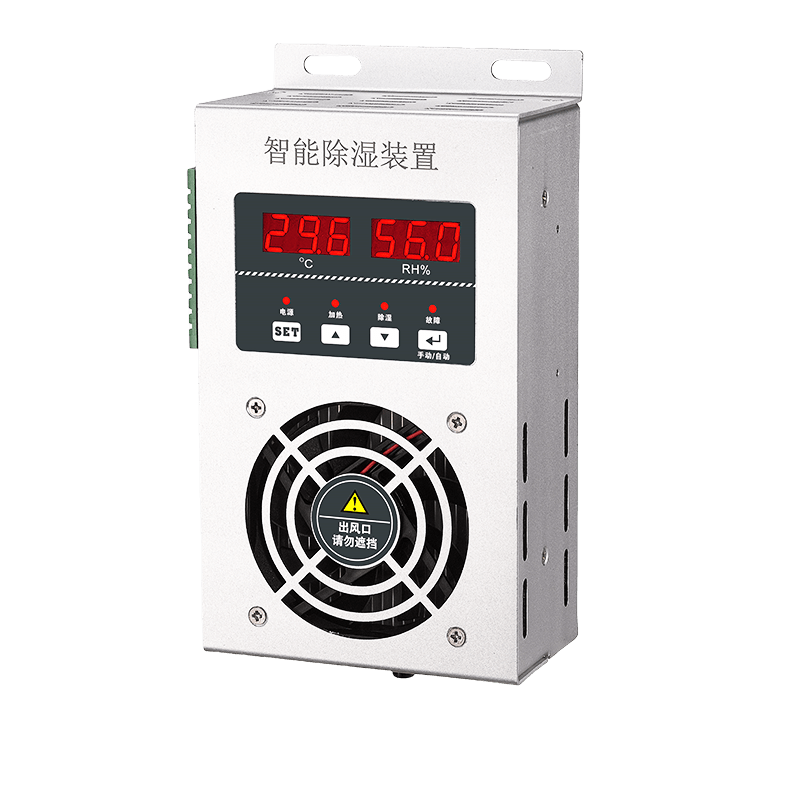 KL-CS60W High-Power Semiconductor Cabinet DehumidifierSemiconductor dehumidifier for closed cabinets with temperature and humidity control, relay outputs, anti-frost protection, and air circulation for automated environmental management.View Product →
Records That Hold Up in an Audit or a Customer Review
In regulated environments the log matters as much as the alarm. Food safety plans, pharmaceutical cold chains and cleanroom classification all expect a timestamped record tied to a sensor identity, an alarm history with acknowledgements, and a calibration certificate that traces back to the same device.
Wireless does not automatically produce better records than wired, but it produces far more of them, and nobody has to transcribe anything. Ask how long the system stores data locally, whether the log survives a network outage, and how a calibration certificate stays linked to a sensor after it has been swapped or moved.
Scalability and Points That Would Otherwise Be Impossible
Most wireless systems are bought in two stages. Ten points go in first, on the equipment that causes the most trouble. A year later the same host carries sixty points across two buildings, with no second cable contract.
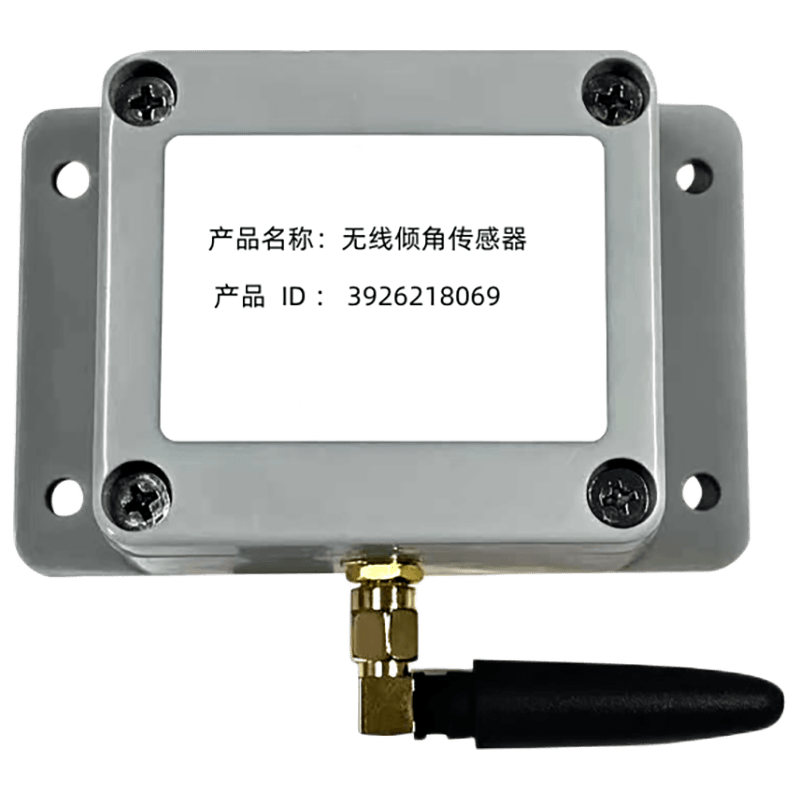
That flexibility covers cases where wiring is not a cost decision but a physical impossibility: equipment that moves on a rail, rented space you cannot modify, points inside sealed enclosures, and temporary monitoring for a commissioning period.
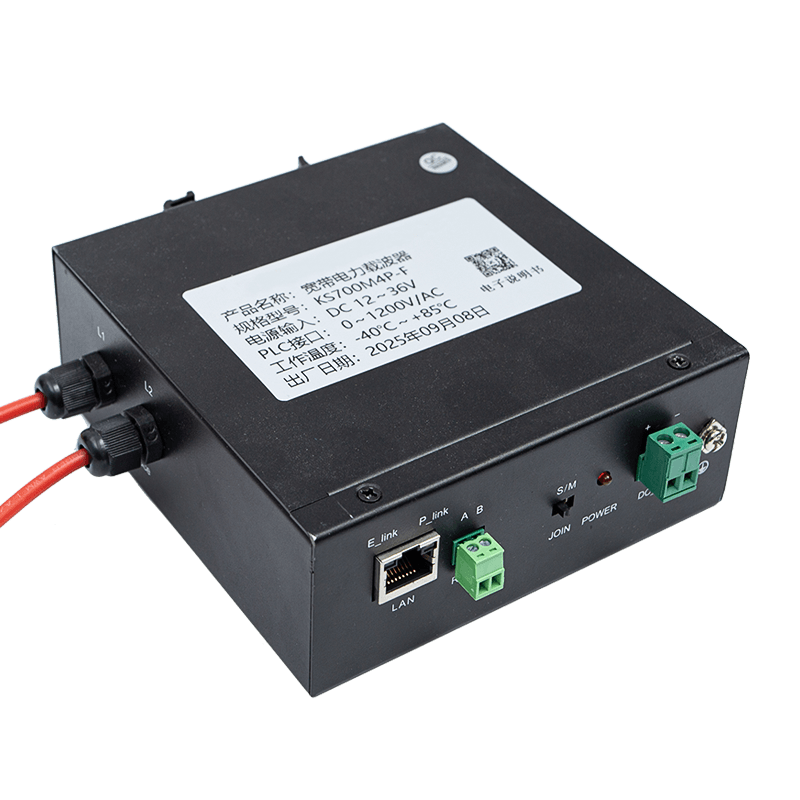
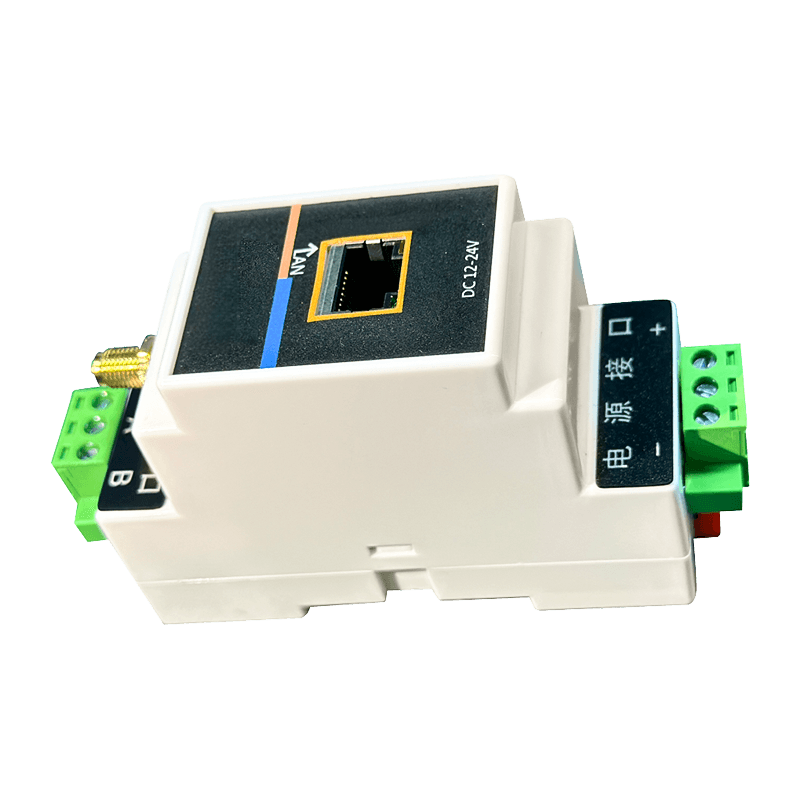
The limit is the host. Check how many nodes it accepts, how it handles a node that drops out and rejoins, and whether it can push data into a historian or building management system instead of keeping everything in a standalone dashboard.
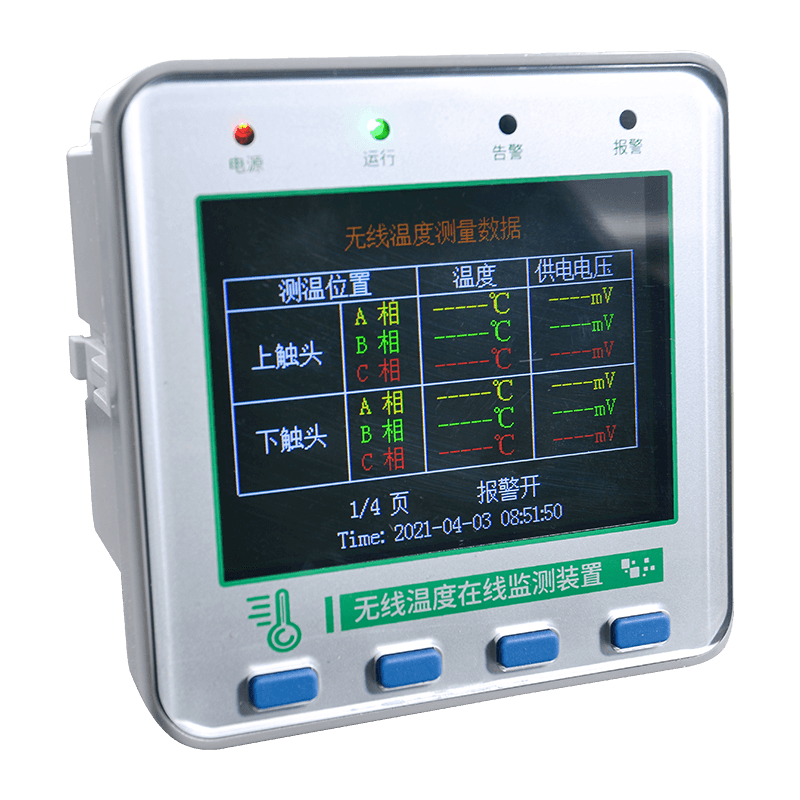 KL-MT86MP Wireless Temperature Measurement Host with Color DisplayReceives data from up to 240 wireless sensors, supports RS485/Modbus, alarm records, and centralized monitoring for high-voltage equipment temperature oversight.View Product →
What to Check Before You Commit
A wireless system is only as useful as its weakest specification. These are the items that decide whether the benefits above actually arrive.
- Sampling versus reporting interval. Many sensors sample every 10 to 30 seconds but transmit every 1 to 5 minutes to save battery. A five-minute alarm delay is fine for a warehouse and unacceptable for a fast process. Ask for both numbers.
- Accuracy and drift. For general industrial work, ±0.5 °C and ±3% RH is a reasonable target. Confirm that the figure covers the full operating range, and ask for long-term drift separately from initial accuracy.
- Battery life and replacement. Two to five years is typical at a five-minute interval, and cold rooms shorten it. Confirm the cell is field-replaceable and that a low-battery warning reaches the same list as a temperature excursion.
- Radio path, not radio range. Line-of-sight figures of 100 to 300 metres mean little in a plant with steel racks, concrete walls and closed metal cabinets. A site survey is cheaper than a second gateway you did not plan for.
- Ingress protection and mounting. IP65 or better for wash-down areas, with probe, magnet and bracket options for the surfaces you actually need to measure.
- Integration and calibration. Modbus TCP, MQTT or OPC UA output, local data retention, and alarm escalation by email or SMS. Then confirm who calibrates the sensors, how often, and whether certificates stay bound to the sensor serial number.
For the sensor itself, choose a unit that measures both values in one housing, reports at a configurable interval, and survives the environment it is installed in.
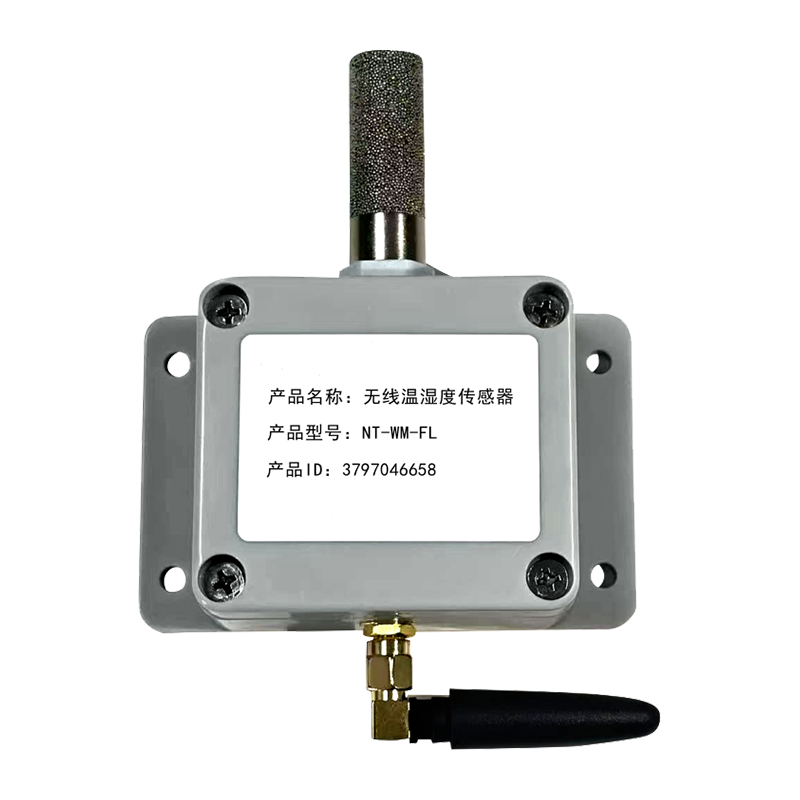 KL-WS34GK Wireless Temperature and Humidity SensorMeasures ambient temperature and humidity in one IP65 housing, transmits data wirelessly to a host, and suits sensor-side selection for monitoring systems.View Product →
Where Wireless Is Still the Wrong Choice
Wireless is not a default. Four situations still argue for cable or for a different approach.
- Closed-loop control. If a reading opens a valve or trips a machine, a wired loop with deterministic timing is the correct answer. Use wireless for monitoring and alarms, not for control.
- Fleets without a maintenance plan. Sixty nodes on three-year batteries is a scheduled workload. If nobody owns it, the system quietly stops reporting.
- Very dense metal and heavy RF traffic. A welding hall full of drives is a hostile radio environment. Survey first and budget for repeaters.
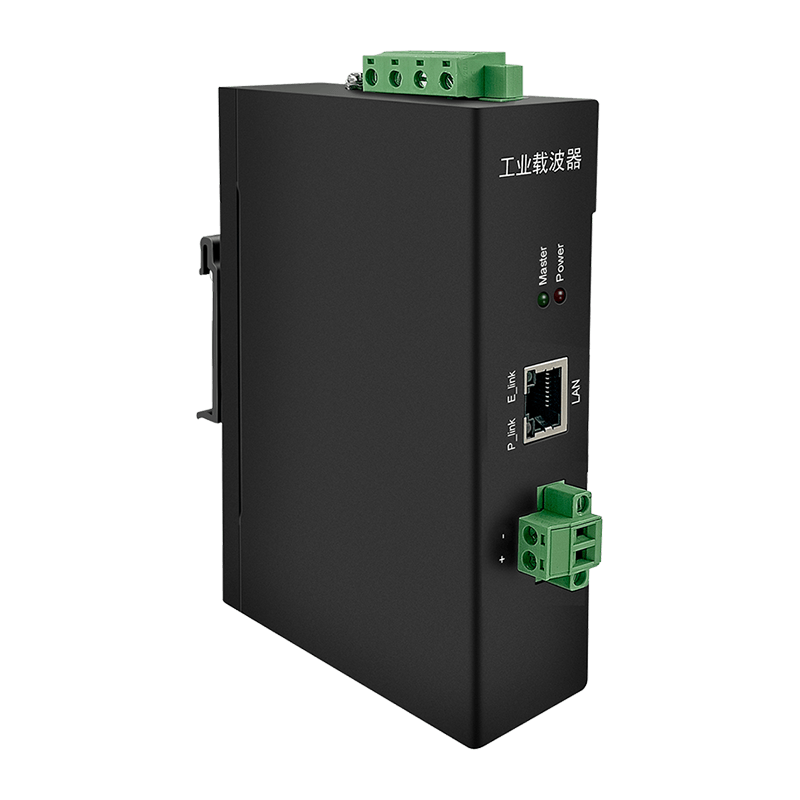
- Network security. A gateway is a networked device. Put it on a segmented VLAN, change default credentials and treat it like any other OT asset.
Questions Buyers Ask Most
Q1: Is a wireless system cheaper than a wired one?
Not per unit of hardware, since wireless sensors usually cost more than a bare wired probe. It is cheaper installed, once cable, conduit, supports, sealing, contractor time and shutdown windows are counted. The gap widens for distant points, sealed enclosures and any point that may need to move later.
Q2: How accurate are wireless temperature and humidity sensors?
Typical figures are ±0.5 °C and ±3% RH, with probe-style units doing better. Two details matter more than the headline number: does the accuracy hold across the whole operating range, and what is the long-term drift between calibrations?
Q3: How long do the batteries last?
Two to five years is normal at a five-minute reporting interval with a good radio link. Cold stores, hot cabinets and weak links that force retransmissions all shorten it. Field-replaceable cells and a low-battery alarm in the same system save a lot of frustration.
Q4: Can wireless sensors work in cold rooms and freezers?
Yes, with two caveats. Battery chemistry has to suit the temperature, since standard alkaline cells lose capacity well before -20 °C. And the gateway or host is usually better placed outside the room, with sensors reporting through the wall or door frame.
Start With the Points You Cannot Reach
Pick the five points that caused the most trouble in the last twelve months: the cabinet nobody can open easily, the cold store corner, the motor that always runs hot, the storage room with the recurring mould complaint. Fit sensors there, run them for a month, and compare what the trend shows against the alarms you would have set by hand.
If the data changes a decision, whether that is an earlier work order, a corrected HVAC setting or a dehumidifier switched on before corrosion starts, the case for expanding the system makes itself.
ASY Electronics builds wireless temperature and humidity sensors, monitoring hosts and the environment-control equipment that acts on the readings, together with the data integration layer that puts those numbers into your existing systems. Send us your point list and installation environment, and we will return a system layout and a bill of materials you can cost against a wired alternative.