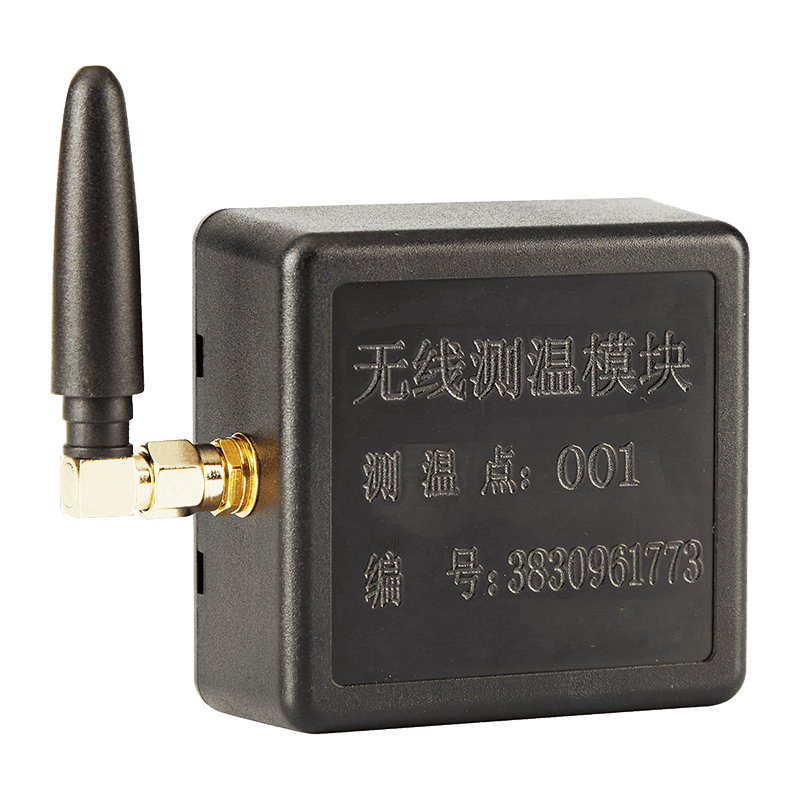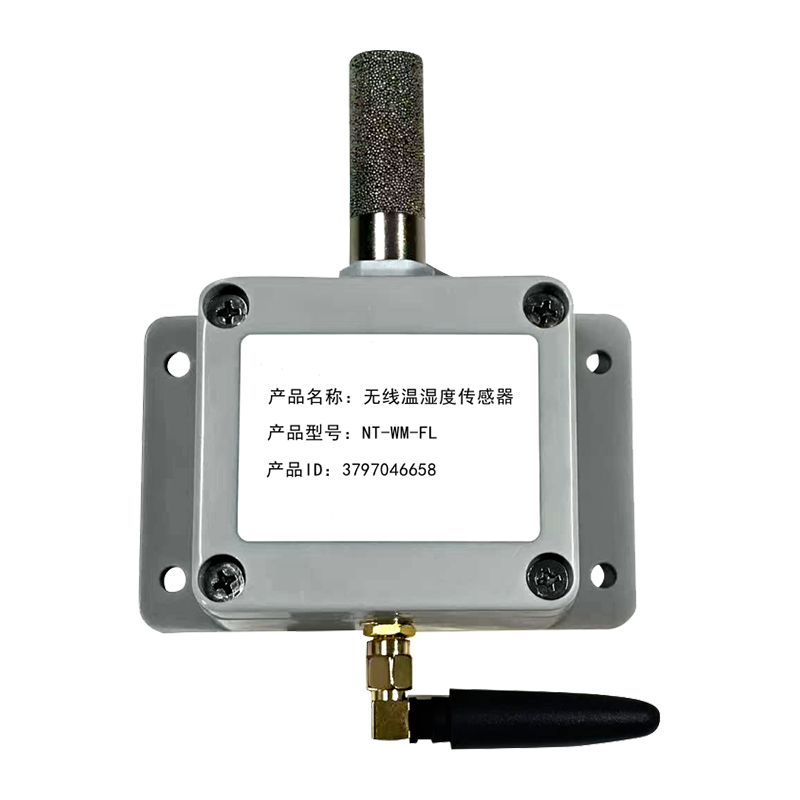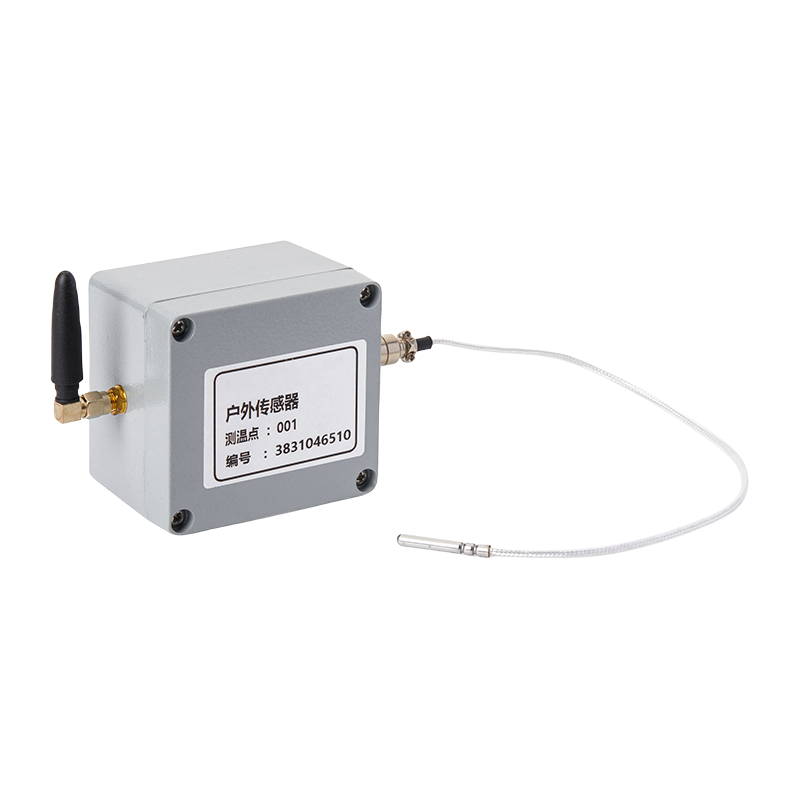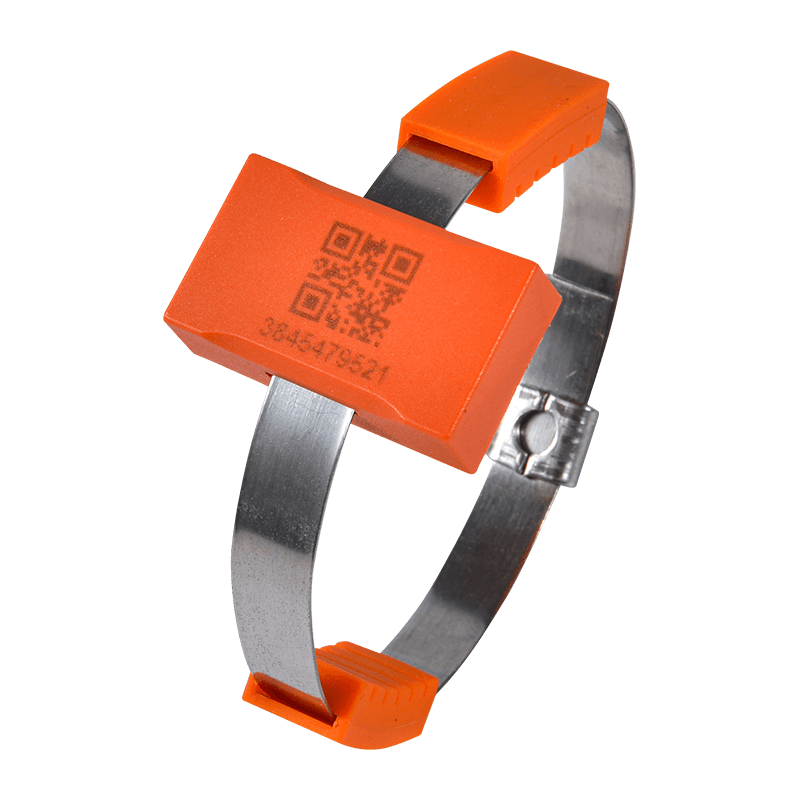


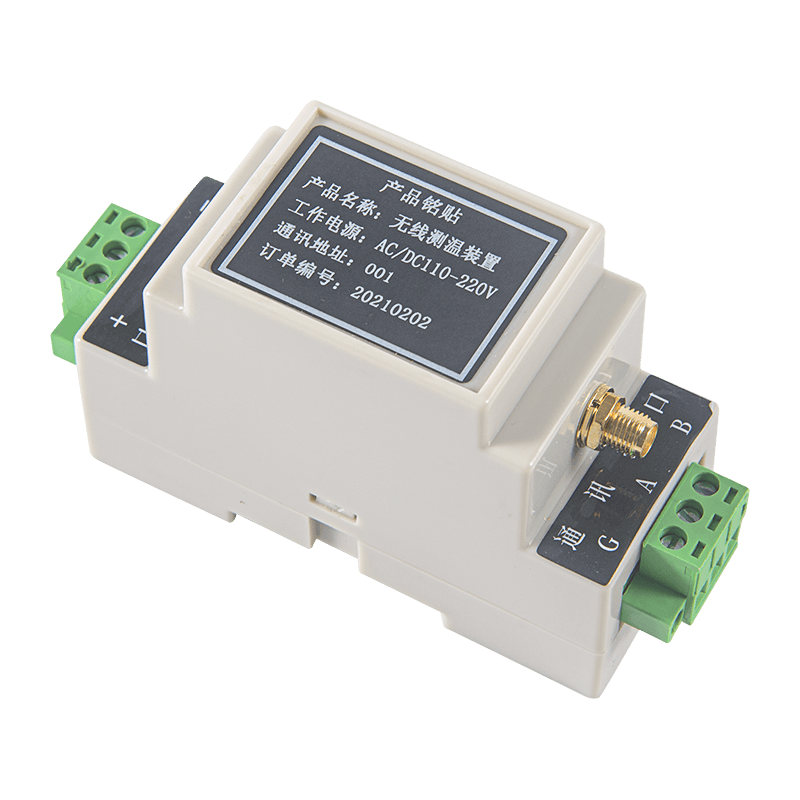
Wireless Temperature Monitoring Sensor: Enhancing Industrial Process Control
Introduction
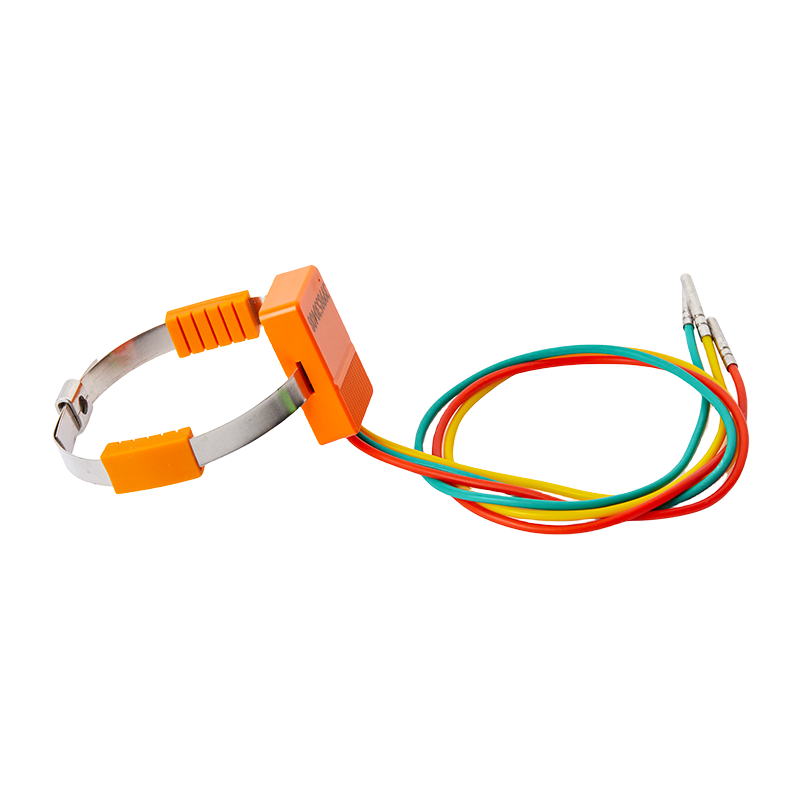
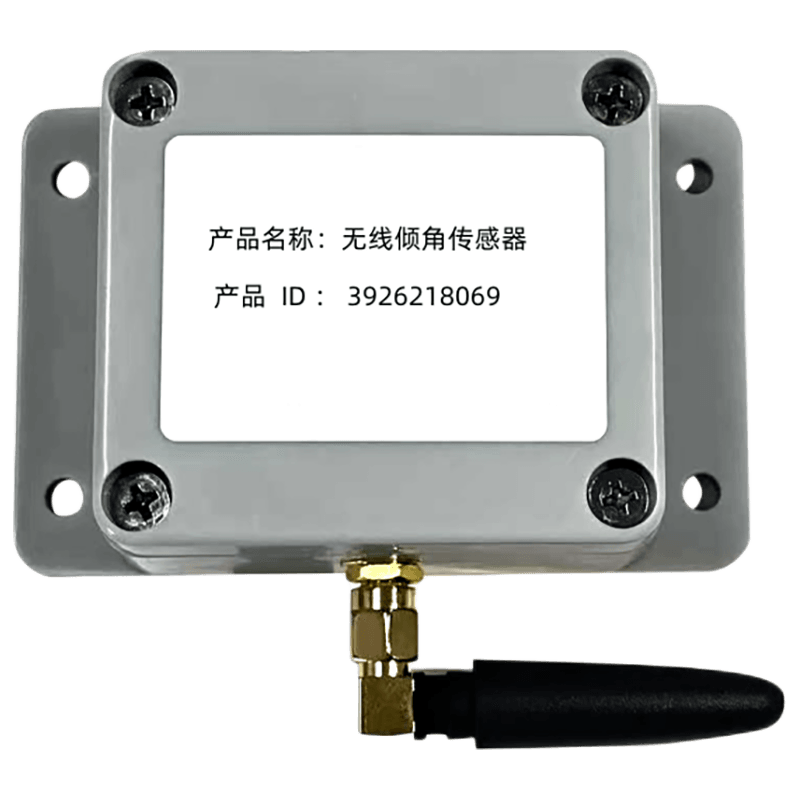
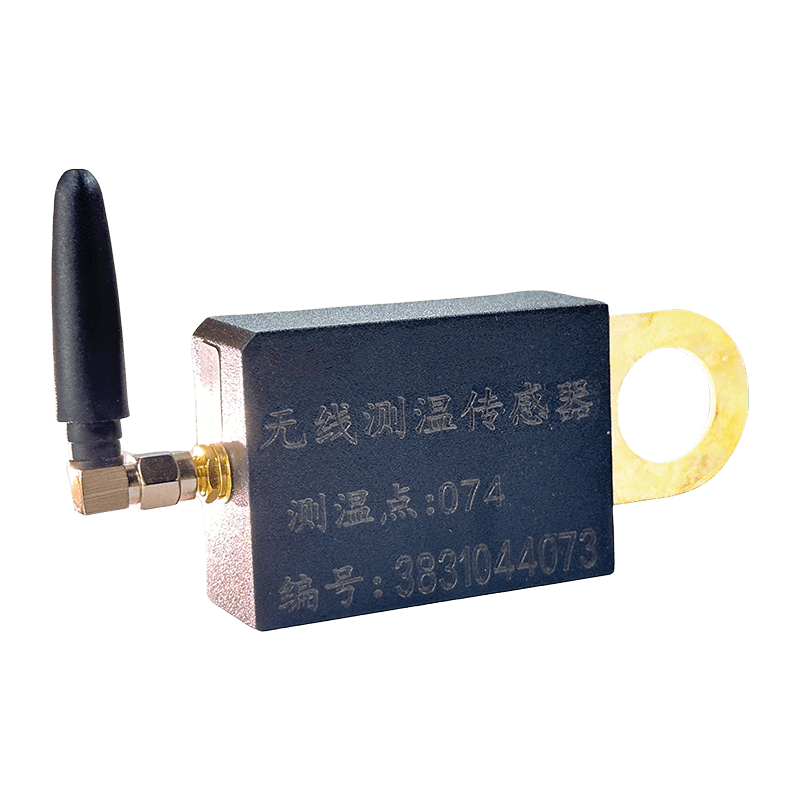
Wireless temperature monitoring sensors have become essential tools for modern industrial facilities, providing accurate and real-time temperature data without the need for complex wiring systems. Unlike traditional wired sensors, wireless sensors enable flexible deployment in challenging environments, such as large manufacturing floors, cold storage warehouses, and chemical processing plants.
The primary advantages of wireless temperature monitoring sensors include:
- Ease of Installation: No extensive cabling is required, reducing installation time and labor costs.
- Real-Time Monitoring: Data can be transmitted continuously to control systems, enabling immediate detection of temperature deviations.
- Scalability: Multiple sensors can be added to a network without major infrastructure changes, supporting large-scale industrial operations.
- Integration with IoT: Wireless sensors can connect seamlessly to industrial IoT platforms for predictive maintenance, energy optimization, and automated process control.
Key Parameters of Wireless Temperature Monitoring Sensors
| Parameter | Typical Range / Value | Impact on Industrial Application |
| Measurement Range | -40°C to 150°C | Supports monitoring of both low-temperature storage and high-temperature industrial processes. |
| Accuracy | ±0.5°C | Ensures precise monitoring for critical equipment and sensitive processes. |
| Response Time | 1–3 seconds | Provides timely detection of temperature fluctuations to prevent equipment damage or process deviation. |
| Transmission Range | 50–500 meters (depending on protocol) | Allows deployment across large industrial areas without signal loss. |
| Power Supply | Battery (2–5 years) or energy harvesting | Minimizes maintenance and supports continuous long-term operation. |
| Environmental Tolerance | IP65–IP68, resistance to dust, moisture, and vibration | Enables operation in harsh industrial environments. |
Overall, wireless temperature monitoring sensors provide a versatile, reliable, and scalable solution for industrial temperature management. Their deployment facilitates real-time data collection, predictive maintenance, and integration into smart factory IoT ecosystems, ultimately enhancing operational efficiency and safety.
Core Technology and Working Principles
Wireless temperature monitoring sensors rely on advanced sensing and communication technologies to accurately measure temperature and transmit data without physical wiring. Understanding their core technology and operational principles is essential for designing reliable industrial monitoring systems.
1. Sensing Mechanisms
- Thermocouple Sensors: Generate a voltage proportional to temperature difference. Suitable for high-temperature processes, with fast response time and wide range (-40°C to 1500°C).
- Resistance Temperature Detectors (RTDs): Measure temperature based on resistance changes of a metal element, providing high accuracy (±0.1–0.5°C) in moderate temperature ranges (-50°C to 300°C).
- Infrared (IR) Sensors: Detect surface temperature remotely by measuring emitted thermal radiation. Ideal for non-contact monitoring and area scanning of equipment.
2. Wireless Transmission Protocols
- Zigbee: Low-power, short-range wireless protocol ideal for dense sensor networks within manufacturing facilities.
- LoRa: Long-range, low-power wireless communication, suitable for large industrial sites where sensors are dispersed over hundreds of meters.
- Wi-Fi: Provides higher data rates for applications requiring real-time monitoring of multiple sensors but consumes more power.
- Power Line Communication (PLC): Uses existing electrical wiring to transmit data, minimizing deployment complexity in smart factory setups.
3. Key Technical Parameters
| Parameter | Typical Value / Range | Impact on Industrial Application |
| Measurement Accuracy | ±0.1°C to ±0.5°C | Ensures precise temperature monitoring for critical industrial processes. |
| Response Time | 1–3 seconds (thermocouple/RTD), 0.5–2 seconds (IR) | Enables rapid detection of temperature deviations to prevent process disruptions. |
| Transmission Distance | 50–500 meters (Zigbee/LoRa), up to 100 meters (Wi-Fi) | Supports deployment in both small-scale facilities and large industrial areas. |
| Power Consumption | Battery life: 2–5 years; low-power sleep mode supported | Reduces maintenance and supports long-term monitoring operations. |
| Operating Environment | IP65–IP68; -40°C to 150°C; resistant to dust, moisture, and vibration | Ensures stable operation in harsh industrial conditions. |
4. Working Principles
- The sensor detects temperature changes using its sensing element (thermocouple, RTD, or IR).
- The measured signal is converted into a digital format through onboard processing circuits.
- Wireless communication modules transmit the data to a central gateway or cloud platform in real time.
- Edge-layer or cloud-based analytics systems process the data for monitoring, alerts, and predictive maintenance.
By combining accurate sensing, robust wireless protocols, and edge-layer integration, wireless temperature monitoring sensors enable real-time, reliable, and scalable monitoring solutions across a wide range of industrial applications.
Industrial Applications
Wireless temperature monitoring sensors play a critical role in a wide range of industrial applications, providing accurate, real-time temperature data that enhances safety, efficiency, and process optimization. Their versatility allows deployment in diverse industrial environments, from manufacturing plants to energy facilities.
1. Process Monitoring in Manufacturing
In manufacturing environments, precise temperature control is essential for product quality and equipment longevity. Wireless temperature sensors can be installed on machinery, furnaces, and production lines to:
- Continuously monitor critical temperature points without interrupting operations.
- Trigger automated alerts if temperatures exceed safe thresholds.
- Support predictive maintenance by detecting abnormal heating trends early.
2. Cold Chain and Warehouse Temperature Control
For warehouses and cold storage facilities, maintaining strict temperature conditions is crucial for perishable goods:
- Wireless sensors can provide distributed monitoring across multiple zones.
- Real-time alerts allow immediate corrective action if temperatures fluctuate outside required ranges.
- Data logging ensures regulatory compliance and traceability.
3. Predictive Maintenance and Equipment Protection
Excessive heat can indicate potential equipment failure. Wireless temperature sensors help:
- Detect hotspots in motors, pumps, and transformers before failures occur.
- Enable scheduling of maintenance activities based on actual operating conditions.
- Reduce downtime and prevent costly equipment damage.
4. Integration with Industrial IoT Systems
Wireless sensors are a fundamental component of smart factories and industrial IoT ecosystems:
- Edge-layer devices collect and preprocess sensor data locally, reducing network load.
- Centralized platforms visualize and analyze data from multiple sensors simultaneously.
- Data can be used for automated process adjustments, energy optimization, and compliance reporting.
5. Parameter Comparison for Industrial Applications
| Application | Recommended Sensor Type | Measurement Range | Key Benefits |
| Manufacturing process monitoring | RTD or Thermocouple wireless sensor | -50°C to 300°C | High accuracy, fast response, continuous monitoring |
| Cold storage and warehouses | Low-power wireless temperature sensor | -40°C to 50°C | Distributed monitoring, real-time alerts, regulatory compliance |
| Equipment predictive maintenance | Thermocouple wireless sensor or infrared thermal sensor | -40°C to 500°C | Hotspot detection, early fault warning, reduced downtime |
| Smart factory IoT integration | Wireless temperature sensor with edge-layer compatibility | -50°C to 150°C | Data aggregation, real-time visualization, automated control |
By deploying wireless temperature monitoring sensors across these industrial applications, companies can ensure safe, efficient, and data-driven operations. The sensors provide actionable insights, enable predictive maintenance, and support full integration into industrial IoT systems.
Key Performance Parameters
The performance of wireless temperature monitoring sensors is determined by several critical parameters. Understanding these parameters is essential for selecting the appropriate sensor for industrial applications, ensuring accurate, reliable, and scalable temperature monitoring.
1. Measurement Accuracy
Measurement accuracy defines how closely a sensor's output matches the actual temperature. High accuracy is crucial for sensitive industrial processes where small temperature deviations can impact product quality or equipment safety.
2. Temperature Range
The operating temperature range indicates the lowest and highest temperatures the sensor can reliably measure. Selecting sensors with appropriate ranges ensures proper monitoring in environments from sub-zero cold storage to high-temperature manufacturing processes.
3. Response Time
Response time is the interval between a temperature change and the sensor’s detection. Faster response times are critical for applications requiring real-time monitoring, such as machinery hotspots or chemical process control.
4. Transmission Distance and Reliability
Wireless sensors must maintain consistent communication with central systems. Transmission distance depends on the protocol (Zigbee, LoRa, Wi-Fi, or PLC), and reliability ensures uninterrupted monitoring even in industrial environments with electromagnetic interference.
5. Power Consumption
Low power consumption extends sensor life, especially in battery-powered installations. Efficient sensors can operate for 2–5 years with minimal maintenance, and some support energy harvesting for continuous operation.
6. Environmental Tolerance
Sensors must withstand industrial conditions, including dust, moisture, vibration, and wide temperature fluctuations. Ratings like IP65–IP68 ensure operation in harsh environments without compromising data quality.
Parameter Comparison Table
| Parameter | Typical Value / Range | Industrial Impact |
| Measurement Accuracy | ±0.1°C to ±0.5°C | Ensures precise monitoring of critical equipment and processes. |
| Temperature Range | -50°C to 500°C | Covers extreme environments, from cold storage to high-temperature manufacturing. |
| Response Time | 0.5–3 seconds | Enables rapid detection of temperature fluctuations and early fault warnings. |
| Transmission Distance | 50–500 meters (protocol-dependent) | Supports large-scale industrial deployment and reduces wiring complexity. |
| Power Consumption | Battery life: 2–5 years; low-power sleep modes | Minimizes maintenance and supports long-term continuous monitoring. |
| Environmental Tolerance | IP65–IP68; resistant to dust, moisture, vibration | Ensures stable operation in harsh industrial environments. |
By carefully evaluating these key performance parameters, industrial operators can select the optimal wireless temperature monitoring sensors that meet their operational, environmental, and IoT integration requirements.
Comparison with Traditional Temperature Sensors
Wireless temperature monitoring sensors offer several advantages over traditional wired temperature sensors, especially in industrial environments where scalability, flexibility, and real-time data access are critical. Understanding these differences helps industrial operators choose the right solution for their operational needs.
1. Installation Complexity
Traditional wired sensors require extensive cabling, conduit installation, and junction boxes, which can be labor-intensive and costly. In contrast, wireless sensors eliminate most wiring requirements, reducing installation time and allowing deployment in hard-to-reach or hazardous areas.
2. Flexibility and Scalability
Wireless sensors can be easily added or relocated within the industrial facility without major infrastructure changes. This flexibility supports large-scale monitoring networks and makes it simple to adapt to changing operational requirements.
3. Data Transmission and Integration
Wired sensors are limited by cable length and require local data acquisition systems. Wireless sensors transmit data over various protocols (Zigbee, LoRa, Wi-Fi, PLC) directly to edge-layer devices or cloud platforms, enabling real-time monitoring, analytics, and IoT integration.
4. Maintenance Requirements
Traditional wired sensors may require frequent inspections for cable damage or signal degradation. Wireless sensors with low-power operation and battery life of 2–5 years significantly reduce maintenance effort while maintaining reliable performance.
5. Parameter Comparison Table
| Parameter | Traditional Wired Sensor | Wireless Temperature Sensor | Impact on Industrial Applications |
| Installation | Requires extensive cabling and conduit | Minimal cabling, easy deployment | Wireless sensors reduce labor cost and allow deployment in hard-to-access locations. |
| Scalability | Limited; adding sensors requires additional wiring | High; additional sensors can be added easily | Wireless sensors support large-scale, flexible industrial monitoring networks. |
| Data Transmission | Local acquisition only, often delayed | Real-time transmission via wireless protocols | Enables immediate alerts, predictive maintenance, and integration with IoT platforms. |
| Maintenance | Periodic inspection for cable integrity | Low-maintenance, battery-powered, long life | Reduces downtime and overall maintenance workload. |
| Flexibility | Fixed installation, difficult to relocate | Highly flexible and reconfigurable | Wireless sensors allow monitoring adjustments as operational needs change. |
| Environmental Tolerance | Dependent on cable and junction quality | IP65–IP68, resistant to dust, moisture, vibration | Wireless sensors maintain performance in harsh industrial conditions. |
Conclusion
Compared to traditional wired temperature sensors, wireless temperature monitoring sensors provide superior flexibility, scalability, and integration capabilities, making them ideal for modern industrial IoT environments. Their low maintenance, real-time monitoring, and adaptability to harsh conditions make them a preferred choice for large-scale, data-driven industrial operations.