

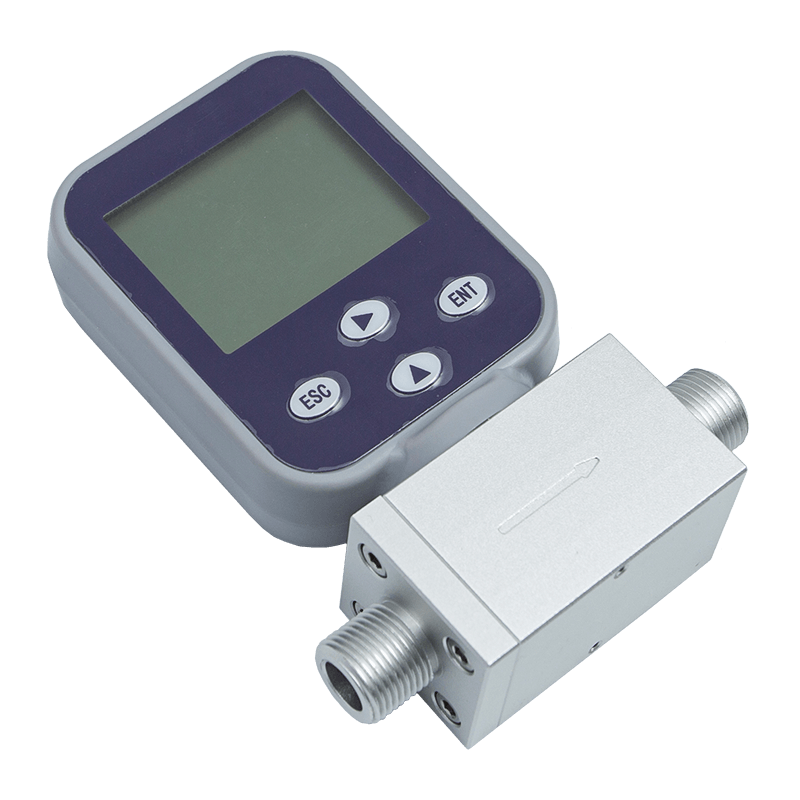
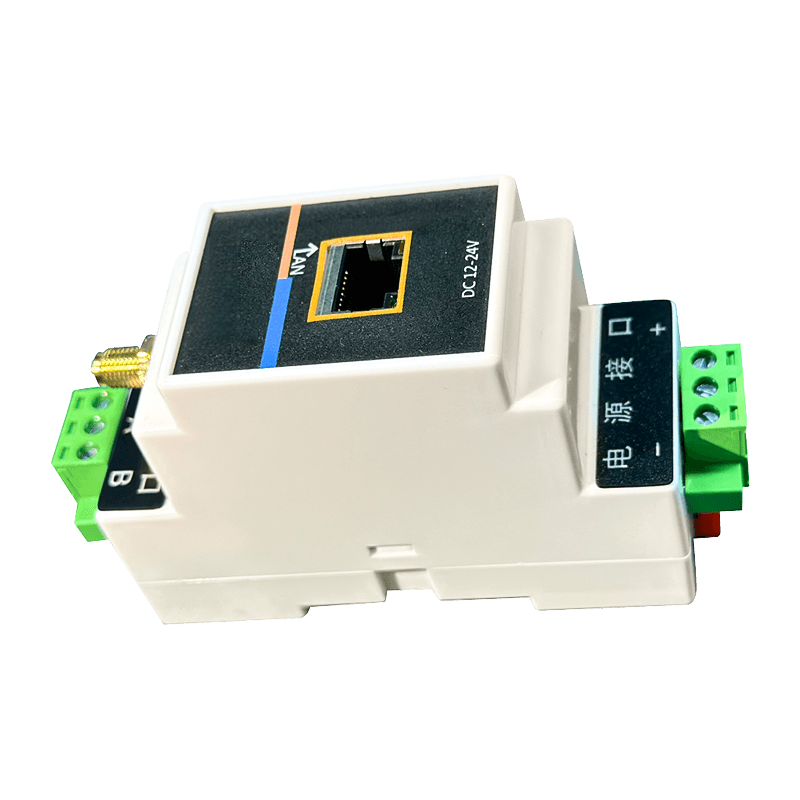
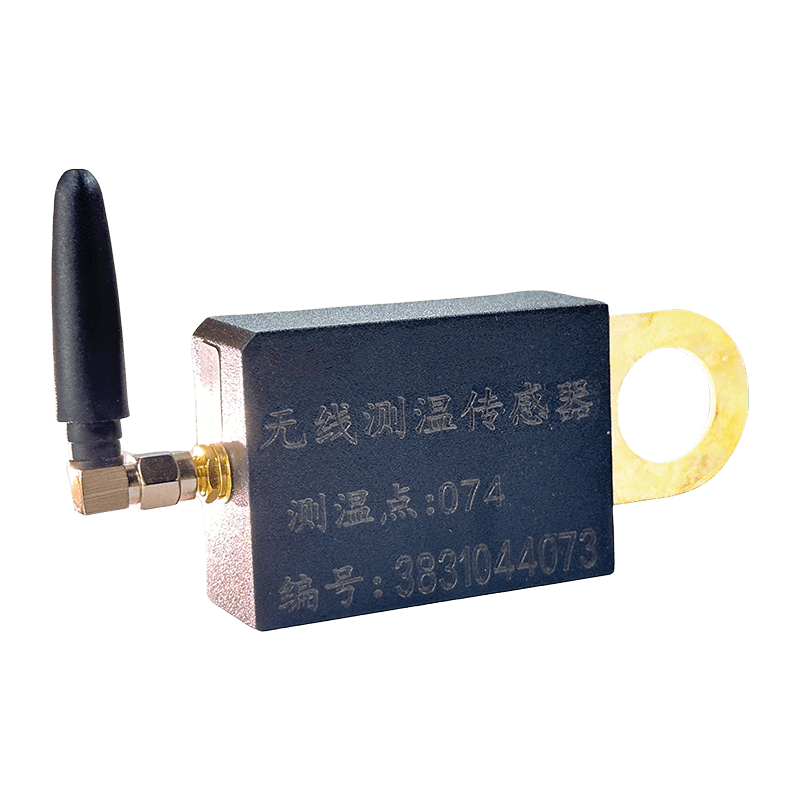
Introduction to Temperature Sensor Technologies
Temperature measurement is fundamental to countless industrial, commercial, and residential applications. From maintaining optimal climate conditions in data centers to monitoring critical processes in manufacturing facilities, the choice between wireless temperature sensors and wired systems significantly impacts operational efficiency, accuracy, and long-term cost-effectiveness.
Understanding the distinctions between these two technologies requires examining multiple dimensions: measurement accuracy, reliability, installation complexity, maintenance requirements, and total cost of ownership. Each technology presents unique advantages and limitations that make them suitable for different scenarios.
This comprehensive guide explores the technical specifications, practical applications, and decision-making criteria to help you determine which temperature sensing solution best aligns with your specific monitoring needs.
How Temperature Sensors Work: Fundamental Principles
Basic Operating Mechanisms
Temperature sensors operate through various physical principles that convert thermal energy into measurable electrical signals. The most common sensor types include resistance temperature detectors (RTDs), thermocouples, and thermistors. Each mechanism responds to temperature changes with predictable electrical characteristics that can be measured and converted into temperature readings.
Signal Transmission in Wired Systems
Wired temperature sensors transmit analog or digital signals through physical copper or fiber optic conductors. The electrical current flows directly from the sensor through dedicated wiring to a receiving instrument or data acquisition system. This direct connection ensures immediate signal transmission with minimal degradation over reasonable distances.
Common wired configurations include 2-wire, 3-wire, and 4-wire connections, each offering different advantages in terms of accuracy compensation and noise rejection. Four-wire systems, for example, provide superior accuracy by separately measuring voltage across the sensing element, virtually eliminating resistance errors from lead wires.
Signal Transmission in Wireless Systems
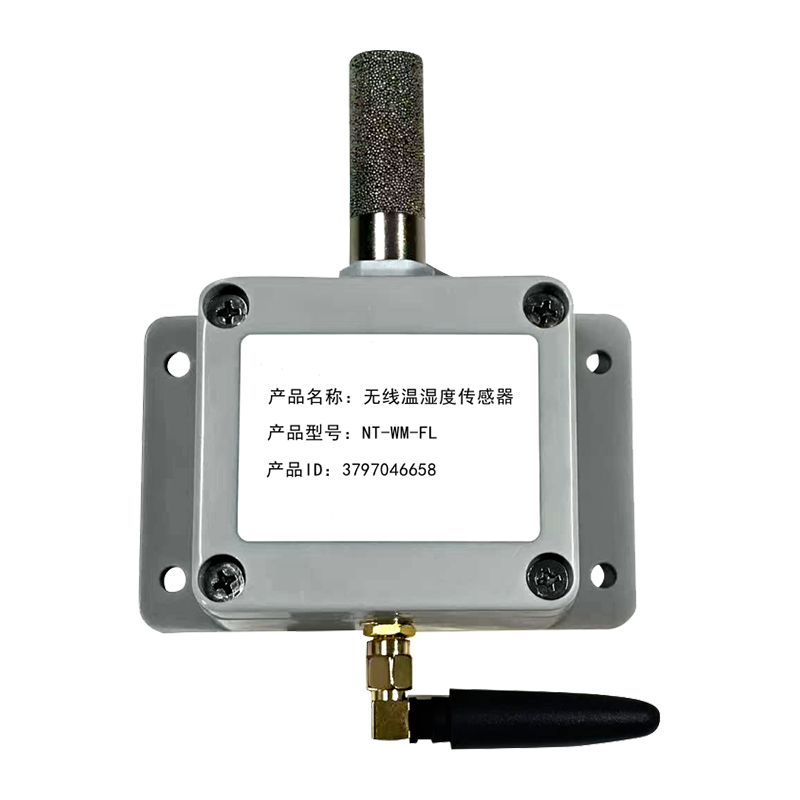
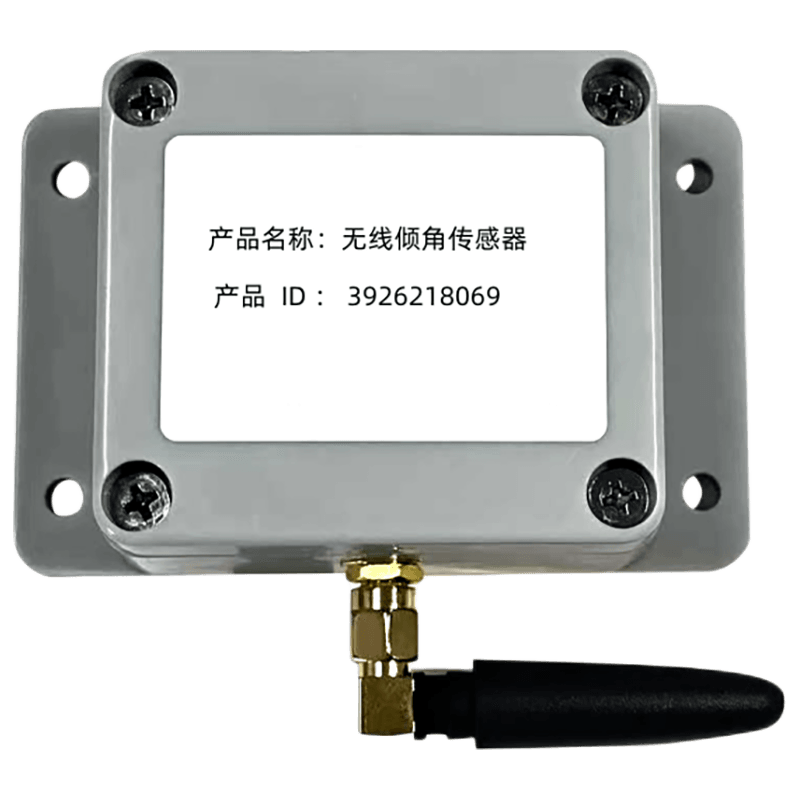
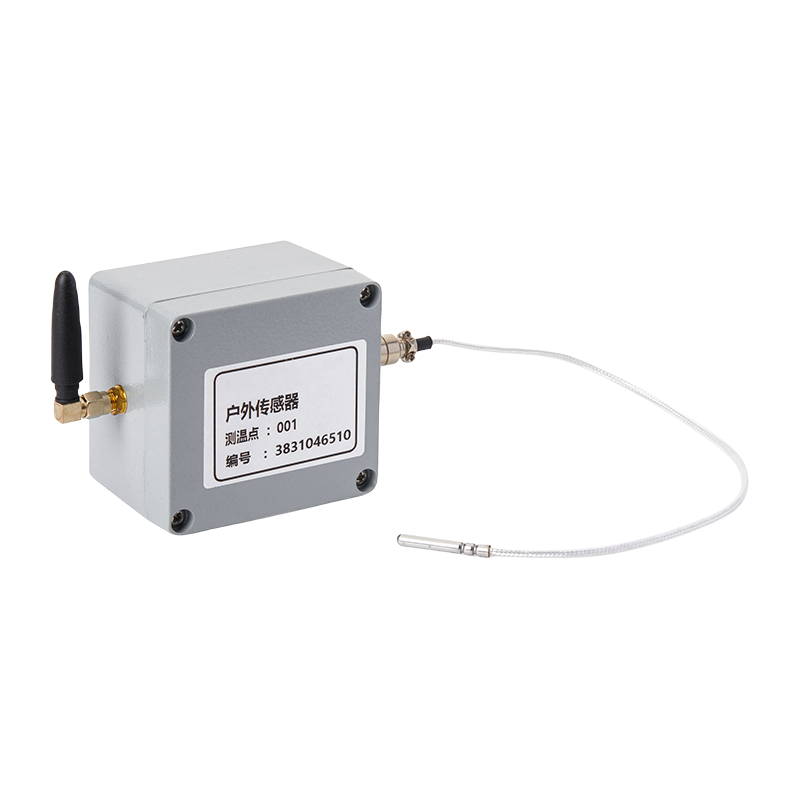
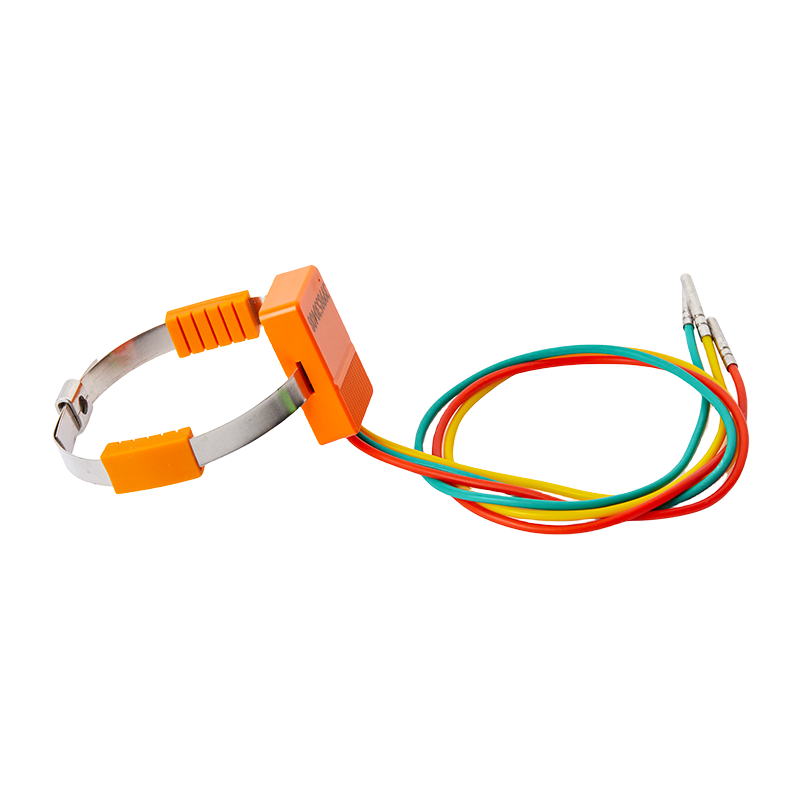
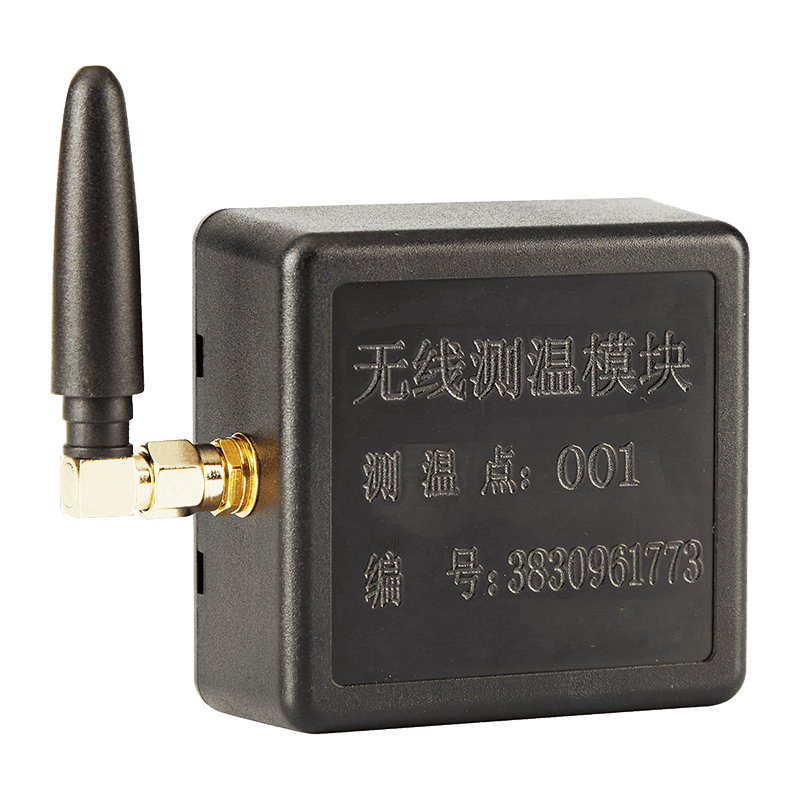
Wireless temperature sensors employ radio frequency communication protocols to transmit data across distances without physical conductors. These systems typically include a sensor element, a microcontroller, and a wireless transmitter module. The temperature signal is converted to a digital format, packaged with identifying information, and broadcast to a receiver or gateway device.
Modern wireless systems use standardized protocols such as WiFi, Bluetooth Low Energy, Zigbee, or proprietary frequency-hopping spread spectrum (FHSS) technologies. These protocols provide built-in error checking, encryption, and range optimization to ensure reliable data delivery.
Accuracy Specifications and Measurement Precision
Defining Accuracy in Temperature Measurement
Temperature sensor accuracy represents the degree to which a measurement reflects the true temperature value. Accuracy specifications typically include several components: tolerance (inherent sensor variability), calibration accuracy (how precisely the sensor was calibrated), and measurement resolution (the smallest detectable temperature change).
Industry standards such as IEC 60751 for RTDs and ASTM E230 for thermocouples define accuracy classes. Class A RTDs, for example, must maintain accuracy within plus or minus 0.15 degrees Celsius plus 0.002 times the absolute temperature value.
Wired Sensor Accuracy Characteristics
Wired temperature sensors typically achieve superior accuracy compared to wireless counterparts. Several factors contribute to this advantage:
- Direct electrical connection eliminates signal degradation over transmission distance
- No modulation or conversion losses associated with wireless encoding
- Stable power supply enables continuous calibration and compensation
- Minimal electromagnetic interference from controlled shielded conductors
- Ability to implement advanced error correction mechanisms
High-precision wired systems can achieve accuracy levels of plus or minus 0.1 degrees Celsius or better, particularly when employing four-wire RTD configurations with dedicated transmitters. This level of precision makes wired systems the preferred choice for critical applications in pharmaceutical manufacturing, laboratory environments, and precision climate control.
Wireless Sensor Accuracy Characteristics
Modern wireless temperature sensors achieve impressive accuracy despite the inherent challenges of wireless transmission. Contemporary systems typically maintain accuracy within plus or minus 0.5 to 1.0 degrees Celsius, which proves sufficient for most industrial and commercial applications.
Several factors influence wireless sensor accuracy:
- Wireless signal strength variation affects data transmission quality
- Environmental interference from competing RF sources can introduce noise
- Battery voltage degradation impacts sensor calibration precision
- Protocol overhead requires quantization of temperature values
- Transmission delays may create temporal synchronization challenges
Despite these challenges, advanced wireless systems employ error-checking algorithms, redundant transmission, and sophisticated signal processing to achieve reliability approaching wired system performance for many applications.
| Characteristic | Wired Sensors | Wireless Sensors |
|---|---|---|
| Typical Accuracy | plus/minus 0.1 to 0.5 degrees Celsius | plus/minus 0.5 to 1.0 degrees Celsius |
| Calibration Stability | Excellent | Good (battery dependent) |
| Signal Degradation | Minimal | Varies with distance and interference |
| Environmental Sensitivity | Low (shielded cables) | Moderate (RF interference possible) |
| Resolution | 0.01 to 0.1 degrees Celsius | 0.1 to 0.5 degrees Celsius |
| Long-term Drift | Minimal | Negligible (if properly maintained) |
Installation, Deployment, and Practical Considerations
Wired System Installation Requirements
Installing wired temperature sensors requires careful planning and physical infrastructure. The process typically involves routing cables through walls, conduits, or cable trays, connecting multiple sensors to a central data acquisition system, and ensuring proper grounding and shielding to minimize electromagnetic interference.
Installation considerations include:
- Detailed planning of cable routes and sensor locations
- Trenching, conduit installation, or cable tray deployment for outdoor applications
- Professional electrician involvement for complex installations
- Potential disruption to facility operations during installation
- Building modifications that may require regulatory approvals
- Comprehensive cable documentation for future maintenance
The tangible infrastructure requirements translate to higher upfront installation costs, particularly in existing facilities where retrofitting is necessary. However, once installed, wired systems provide decades of reliable operation with minimal ongoing infrastructure maintenance.
Wireless System Installation Requirements
Wireless temperature sensors offer dramatically simplified deployment processes. Installation typically involves mounting the sensor device at the desired location, configuring wireless network parameters, and powering the unit through batteries or integrated power supplies.
Key advantages of wireless deployment include:
- No cable routing or conduit requirements
- Rapid sensor placement without facility modifications
- Non-disruptive installation compatible with operational facilities
- Flexible sensor relocation as requirements change
- Minimal specialized technical expertise required
- Easy expansion of monitoring network by adding additional sensors
The simplified deployment process makes wireless systems particularly attractive for temporary monitoring applications, rental properties, and facilities undergoing renovation or expansion. Adding additional monitoring points to an existing wireless network typically requires only mounting the device and registering it with the gateway, a process manageable in minutes rather than hours or days.
Reliability, Maintenance, and Long-term Performance
Wired System Reliability
Wired temperature sensors exhibit exceptional long-term reliability when properly installed and maintained. The fundamental components—the temperature-sensing element and signal transmission wiring—contain no moving parts or consumable materials, enabling operational lifespans exceeding 20 years in typical industrial applications.
Common failure modes in wired systems include:
- Cable degradation from moisture, corrosion, or physical damage
- Connection point corrosion reducing signal integrity
- Sensor element drift requiring recalibration
- Terminal block or connector failures
- Environmental contamination affecting sensitive elements
Preventive maintenance practices significantly extend wired system operational life. Regular visual cable inspections, periodic recalibration against reference standards, and protective measures against environmental exposure collectively minimize failure risk and ensure sustained accuracy.
Wireless System Reliability
Modern wireless temperature sensors demonstrate impressive reliability, though the technology introduces additional failure considerations compared to wired systems. The primary consumable element is the battery, which typically requires replacement every 2 to 5 years depending on transmission frequency and environmental conditions.
Additional reliability considerations include:
- Wireless communication protocol updates affecting system compatibility
- Gateway device failures disconnecting entire monitoring networks
- RF interference compromising data transmission reliability
- Sensor element drift requiring periodic recalibration
- Firmware obsolescence in legacy systems
The battery replacement requirement introduces ongoing maintenance obligations absent in wired systems. However, modern wireless sensors employ power-conservation techniques enabling multi-year battery life, reducing replacement frequency to manageable levels. Some advanced systems provide battery status monitoring and proactive replacement alerts, further simplifying maintenance operations.
Fault Detection and Diagnostics
Wired systems typically employ simple approaches to fault detection: monitoring for signal loss or out-of-range readings indicating sensor failure or cable damage. Diagnostic complexity increases with system sophistication but remains fundamentally straightforward.
Wireless systems enable more sophisticated diagnostic capabilities through integrated monitoring. Gateway devices can track signal strength, transmission success rates, and battery voltage, providing comprehensive visibility into system health. This visibility enables predictive maintenance—replacing batteries before failure and identifying signal quality issues before they impact measurement reliability.
Cost Analysis and Total Cost of Ownership
Wired System Cost Components
Wired temperature sensor system costs include multiple significant components requiring careful evaluation:
| Cost Category | Typical Range | Notes |
|---|---|---|
| Sensor Elements | 50 to 300 per unit | Precision industrial grade sensors |
| Cable and Conduit | 2 to 10 per meter | Varies by cable gauge and shielding |
| Installation Labor | 100 to 200 per sensor | Professional installation required |
| Data Acquisition System | 1000 to 10000 | Scale depends on channel count |
| Periodic Calibration | 100 to 300 per sensor per year | Maintains regulatory compliance |
| Annual Maintenance | 5 to 20 per sensor | Inspection and preventive care |
For a facility monitoring 50 locations over ten years, wired system total cost of ownership typically ranges from 100000 to 250000, including all components, installation, calibration, and maintenance. This represents significant upfront investment but provides excellent per-measurement cost when amortized over extended operational periods.
Wireless System Cost Components
Wireless systems present distinctly different cost structures emphasizing lower hardware costs and reduced labor:
| Cost Category | Typical Range | Notes |
|---|---|---|
| Wireless Sensor Nodes | 150 to 500 per unit | All-in-one integrated units |
| Gateway/Receiver | 300 to 1500 | Single gateway supports many sensors |
| Installation Labor | 20 to 50 per sensor | Minimal; often done by facilities staff |
| Software/Cloud Platform | 50 to 300 per month | Optional; many offer free tier |
| Battery Replacement | 10 to 30 per sensor per 3 years | Consumable maintenance item |
| Periodic Calibration | 50 to 150 per sensor per year | Less frequent than wired systems |
The same 50-location monitoring scenario with wireless sensors typically requires 20000 to 40000 total investment over ten years, representing substantially lower capital requirements with predictable ongoing expenses. This cost advantage makes wireless systems particularly attractive for budget-constrained operations or temporary monitoring applications.
Return on Investment Considerations
Comparing wired and wireless systems requires evaluating both direct costs and indirect benefits:
- Reduced downtime during installation (wireless: hours vs. wired: days or weeks)
- Avoided facility modification costs
- Faster response to new monitoring requirements
- Improved equipment utilization through flexible deployment
- Lower financing costs for lower-capital solutions
Organizations should model total cost of ownership over realistic planning horizons—typically 5 to 10 years—accounting for all components, labor, maintenance, and opportunity costs. This comprehensive analysis often reveals that wireless systems provide superior economic value despite potentially higher per-unit sensor costs.
Industry Applications and Optimal Technology Selection
Wired Systems: Preferred Applications
Specific use cases favor wired temperature sensors where accuracy, stability, and reliability represent critical requirements:
- Pharmaceutical Manufacturing: Regulatory compliance under FDA 21 CFR Part 11 and cGMP guidelines requires validated, high-accuracy temperature monitoring throughout production and storage
- Laboratory and Research Environments: Scientific accuracy requirements demand measurement precision incompatible with wireless system limitations
- Data Center Climate Control: Mission-critical facilities require uninterrupted temperature monitoring with zero transmission latency
- Food Processing and Storage: Regulatory requirements and product quality standards demand continuous, verified temperature records
- HVAC System Integration: Direct sensor feedback enabling real-time control optimization
- Industrial Process Control: Applications where temperature directly influences critical manufacturing parameters
Wireless Systems: Preferred Applications
Wireless technology demonstrates particular advantages in scenarios emphasizing flexibility, scalability, and cost-effectiveness:
- Building HVAC Monitoring: Multi-zone temperature monitoring across diverse locations without extensive cable infrastructure
- Remote Equipment Monitoring: Distributed assets across large geographic areas impractical for wired infrastructure
- Temporary or Seasonal Monitoring: Applications requiring monitoring for defined periods without permanent infrastructure investment
- Rental and Leased Properties: Situations where permanent cable installation proves impractical or economically unfeasible
- Facility Expansion Projects: Growing monitoring requirements accommodated through simple sensor addition
- Environmental Monitoring: Outdoor temperature tracking for agricultural, meteorological, or climate research applications
- Retrofit Applications: Existing facilities where cable routing proves technically or economically challenging
Hybrid Approaches
Many organizations implement hybrid strategies combining wired and wireless technologies to optimize cost and performance. Critical monitoring points employ wired sensors for maximum accuracy, while secondary monitoring locations utilize wireless devices for flexibility and reduced installation cost. This balanced approach leverages the strengths of each technology while minimizing individual technology limitations.
Environmental Factors and Interference Management
Electromagnetic Interference Considerations
Electromagnetic interference represents a critical factor differentiating wired and wireless system performance in industrial environments. Wired sensors benefit from shielded cable construction protecting signal transmission from external electromagnetic fields generated by motors, transformers, and switching power supplies.
Wireless systems transmit data through open RF channels shared with numerous other devices including WiFi networks, cell phones, microwave ovens, and industrial RF heating equipment. This shared spectrum creates interference potential degrading wireless system reliability in electromagnetically harsh environments.
Advanced wireless systems mitigate interference through:
- Frequency-hopping spread spectrum (FHSS) technologies dynamically changing transmission frequencies
- Error-correcting codes enabling message recovery despite noise
- Redundant transmission of critical data
- Adaptive power management optimizing signal strength
Environmental Extremes and Material Compatibility
Temperature extremes, moisture exposure, and corrosive chemicals present challenges for both wired and wireless systems, though with different manifestations. Wired systems must maintain cable integrity and connector reliability in extreme conditions; wireless systems must ensure sensor element durability and environmental sealing protecting electronic components.
Material compatibility requirements include:
- Stainless steel or nickel-plated connectors for corrosive environments
- Polytetrafluoroethylene (PTFE) or polyimide insulation for high-temperature applications
- Specialized enclosure materials for chemical or moisture exposure
- Sealed sensor housings for humid or wet environments
Both technologies offer variants designed for specific environmental conditions, ensuring that harsh operating environments need not prevent adoption of either wired or wireless approaches. Selection should consider both sensor capabilities and environmental durability requirements.
Calibration Procedures and Ongoing Validation
Calibration Requirements and Standards
Temperature sensor calibration represents a critical ongoing requirement ensuring measurement accuracy throughout system operational life. Industry standards including ISO/IEC 17025 and NIST traceability requirements establish calibration protocols and acceptable tolerance ranges.
Calibration processes involve comparing sensor readings against reference standards across the operational temperature range, establishing correction factors compensating for drift or systematic errors. Comprehensive calibration records demonstrate regulatory compliance and provide valuable diagnostic data identifying performance trends.
Wired System Calibration
Wired systems require periodic formal calibration against NIST-traceable reference standards. Industry practice recommends annual or biennial calibration depending on regulatory requirements and application criticality. Calibration procedures typically involve:
- Disconnecting sensors from operational systems
- Immersing sensors in temperature-controlled calibration baths at known reference temperatures
- Recording actual readings versus reference values
- Calculating correction factors compensating for systematic errors
- Updating control system software with revised calibration coefficients
This process requires specialized equipment, trained technicians, and system downtime. However, the formal calibration process provides documented evidence of accuracy compliance, critical for regulated industries.
Wireless System Calibration
Wireless sensors benefit from potential self-calibration capabilities and simpler recalibration procedures. Some systems enable in-place calibration by bringing reference temperature sources to sensor locations rather than removing sensors for laboratory calibration. This capability reduces downtime and operational disruption.
Battery voltage degradation in wireless sensors can introduce calibration drift. Advanced systems monitor battery status and compensate measurements accordingly, maintaining accuracy despite aging power supplies. This automated compensation reduces calibration frequency requirements.
Validation Protocols
Both system types benefit from periodic validation checking without full recalibration. Spot checks comparing readings from multiple sensors in identical conditions identify gross failures enabling early intervention before accuracy degrades significantly. This non-invasive validation approach provides cost-effective assurance between formal calibrations.
Frequently Asked Questions
Q1: Can wireless temperature sensors achieve accuracy matching wired systems?
Modern wireless sensors can achieve accuracy sufficient for most industrial and commercial applications, typically within plus or minus 0.5 to 1.0 degrees Celsius. However, wired systems generally maintain superior accuracy of plus or minus 0.1 to 0.5 degrees Celsius. For applications requiring measurement precision better than one degree Celsius, wired systems remain preferable. For many HVAC, facility monitoring, and environmental applications, wireless sensor accuracy proves entirely adequate.
Q2: What is the typical lifespan of wireless temperature sensor batteries?
Battery lifespan depends significantly on transmission frequency, environmental temperature, and power management design. Most commercial wireless sensors operate for 2 to 5 years on standard batteries before replacement. Some advanced low-power designs achieve 7 to 10 year battery life. Regular battery status monitoring helps predict replacement timing, preventing unexpected measurement loss.
Q3: How does electromagnetic interference affect wireless temperature sensors?
RF interference can degrade wireless signal quality, potentially increasing transmission errors or reducing effective range. Industrial environments containing motors, transformers, and RF heating equipment present significant interference challenges. Modern wireless systems mitigate interference through frequency-hopping, error correction, and transmission redundancy, but susceptibility remains higher than fully shielded wired systems. Thorough RF site surveys before wireless system deployment help identify potential interference sources.
Q4: What installation costs should be expected for each technology?
Wired system installation typically costs 100 to 200 dollars per sensor location, including cable routing, conduit installation, and professional labor. Wireless installation costs 20 to 50 dollars per sensor, primarily for mounting and network configuration. For large monitoring networks, wireless installation cost advantages accumulate significantly, often justifying technology selection despite potentially higher per-unit sensor costs.
Q5: Are wireless sensors suitable for permanent facility monitoring installations?
Yes, wireless sensors can provide excellent performance in permanent installations provided application accuracy requirements and environmental conditions match technology capabilities. Wireless systems require ongoing battery maintenance but offer equivalent reliability to wired systems over 10-plus year operational periods. Hybrid approaches combining wired and wireless technologies often optimize performance and cost.
Q6: How frequently should temperature sensors be calibrated?
Standard practice recommends annual or biennial calibration depending on regulatory requirements, application criticality, and sensor element stability characteristics. Periodic validation checks between formal calibrations help identify performance degradation enabling early intervention. Regulatory environments such as pharmaceutical manufacturing may require more frequent calibration, while general facility monitoring applications typically follow less stringent schedules.
Q7: What factors should influence the decision between wired and wireless temperature sensors?
Key decision factors include required measurement accuracy, installation infrastructure availability, facility permanence, environmental interference levels, budget constraints, maintenance capability, and regulatory compliance requirements. Applications demanding maximum accuracy with permanent installations favor wired systems, while scenarios emphasizing flexibility, scalability, and cost-efficiency benefit from wireless technology. Many organizations implement hybrid approaches, strategically deploying each technology for optimal performance and cost-effectiveness.
Q8: How do temperature sensor data acquisition systems differ between wired and wireless architectures?
Wired systems employ dedicated data acquisition modules with multiple input channels directly connected to sensors via cable, typically requiring custom software integration with facility control systems. Wireless systems utilize gateway devices receiving radio signals, with many offering cloud-based data platforms and mobile applications for convenient monitoring. Wireless systems generally provide faster implementation and more user-friendly interfaces, while wired systems offer greater control system integration flexibility.
Conclusion: Selecting the Optimal Temperature Sensing Solution
The choice between wireless and wired temperature sensors fundamentally reflects how organizations balance accuracy requirements, installation flexibility, long-term cost considerations, and operational priorities. Neither technology universally dominates; each excels in specific contexts where their respective advantages align with application requirements.
Wired temperature sensors deliver superior accuracy, uncompromising reliability, and zero ongoing consumable replacement through proven technology with decades of industrial validation. These characteristics make wired systems the standard choice for applications where measurement precision and regulatory compliance represent non-negotiable requirements.
Wireless temperature sensors empower organizations to implement comprehensive monitoring networks with minimal infrastructure disruption, rapid deployment, and dramatically reduced installation costs. Modern wireless technology achieves accuracy sufficient for the vast majority of industrial and commercial applications while offering unmatched flexibility in monitoring network expansion and relocation.
Organizations approaching temperature sensor selection should conduct thorough assessments of accuracy requirements, installation constraints, environmental factors, regulatory obligations, and cost limitations. Many sophisticated monitoring strategies implement hybrid approaches, strategically combining wired sensors at critical measurement points with wireless devices providing flexible, cost-effective coverage of secondary monitoring locations.
The optimal temperature sensing solution represents not the most advanced technology, but the approach most precisely matched to specific operational requirements, delivering superior value through appropriate technology selection rather than unnecessary over-engineering or compromise on critical capabilities.