

Picture a typical tank farm during a late-night filling operation. The operator follows the same routine they have used for years: start the pump, watch the level gauge, and wait for the automated alarm. Tonight, the level transmitter drifts out of calibration, the high-level alarm never activates, and the tank overfills. In the past, this would be recorded as an equipment failure. Under API 2350 5th edition, it is treated as a failure of a much broader system called the overfill prevention process (OPP).
The key point is that API 2350 5th edition does not only demand better instruments. It demands a complete management system that covers risk assessment, written procedures, trained personnel, and reliable measurement equipment working together. For tank owners and operators, this means thinking beyond the alarm and building an end-to-end OPP that can deliver compliance and, more importantly, prevent catastrophic overfills.
What Is the Overfill Prevention Process (OPP) in API 2350?
The API 2350 5th edition defines the overfill prevention process as a documented management system that is applied to tank filling operations. It is not a single device or a simple alarm. It is a structured framework that covers:
- Risk assessment of each tank system and filling operation;
- Written procedures for normal filling, abnormal conditions, and emergency response;
- Defined roles and responsibilities for operators, supervisors, and maintenance personnel;
- Reliable measurement and alarm instrumentation that provides independent overfill protection;
- Training and competence management to ensure personnel can execute procedures correctly.
The standard applies to bulk storage tanks containing petroleum, petrochemical products, and other hazardous liquids. The fifth edition formalises this OPP because earlier editions treated overfill protection as a set of recommendations rather than a cohesive management requirement.
Key Changes Introduced in API 2350 5th Edition
The 5th edition of API 2350 was published to strengthen the link between management systems and field instruments. The most significant change is the explicit requirement to develop and implement an OPP for every tank filling operation. This moves the standard from an engineering guideline to a process safety requirement.
Tank System Categorisation
One of the practical changes is the categorisation of tank systems into three risk-based classes. The standard groups tanks according to factors such as inventory level, product hazard, and potential impact of an overfill. The category determines the level of engineering and management control required, which directly affects the type of instrumentation and procedural depth you need to implement.
Integration with Existing Safety Management Systems
API 2350 5th edition encourages owners to integrate the OPP with their existing process safety or safety management systems rather than build an isolated programme. This is important because it prevents duplication, clarifies responsibilities, and ensures that overfill protection remains part of day-to-day operations.
In practice, the fifth edition requires a shift from reactive maintenance to a proactive process in which people, procedures, and instruments operate as one system.
Building Your OPP: A Practical Compliance Approach
Implementation FocusGetting started with API 2350 5th edition can feel complex. The most effective approach is to treat the OPP as a lifecycle project rather than a one-time audit. Here is a structured path that many facilities use.
- Scope the tank systems. Identify all filling operations and assign a risk category based on API 2350 guidance.
- Perform a risk assessment. Document failure modes such as high level entering the tank, level instrument drift, and faulty alarm relays.
- Define roles and responsibilities. Clarify who authorises filling, who responds to high-level alarms, and who owns maintenance.
- Write procedures. Create step-by-step procedures for normal filling, abnormal conditions, and emergency shutdown.
- Train and verify competence. Ensure every operator can demonstrate that they understand the procedures and the instrumentation.
- Select and maintain instrumentation. Choose reliable level, pressure, or temperature instruments and establish a verification schedule.
The table below summarises the main OPP components and the practical actions required for each one.
| Component | Core Requirement | Recommended Action |
|---|---|---|
| Risk assessment | Understand each tank system | Document hazards and potential overfill consequences |
| Procedures | Define filling and response steps | Write and regularly review operating procedures |
| Personnel | Ensure staff competence | Train operators and verify skills |
| Instrumentation | Provide reliable detection | Calibrate and test level instruments frequently |
One of the most overlooked parts of the OPP is the verification schedule for instrumentation. Once procedures are in place, you need a clear calibration and verification plan to ensure that every instrument in the safety chain remains fit for purpose.
Choosing Instrumentation for Overfill Prevention
Instrumentation is one of the most visible elements of an OPP. Even the most carefully written procedure cannot prevent an overfill if the level measurement is unreliable, the high-level alarm is not independently verified, or the instruments cannot survive the process environment.
When selecting instruments for API 2350 compliance, the most important considerations are:
- Independent overfill protection: the high-level detection should operate independently from the normal level measurement system.
- Reliability in the tank environment: petroleum products can be viscous, foaming, or corrosive, which affects measurement accuracy.
- Diagnostics and verification: instruments with self-diagnostic capabilities help maintenance teams detect faults before they become alarms that never trigger.
- Integration with control systems: the instrument must communicate securely with existing I/O networks, safety PLCs, or distributed control systems.
Level Measurement
Continuous level transmitters provide the primary high-level detection and continuous inventory monitoring for most petroleum tanks.
Pressure Measurement
Pressure transmitters support hydrostatic level reading and can be used as an independent verification method for level instruments.
Temperature Monitoring
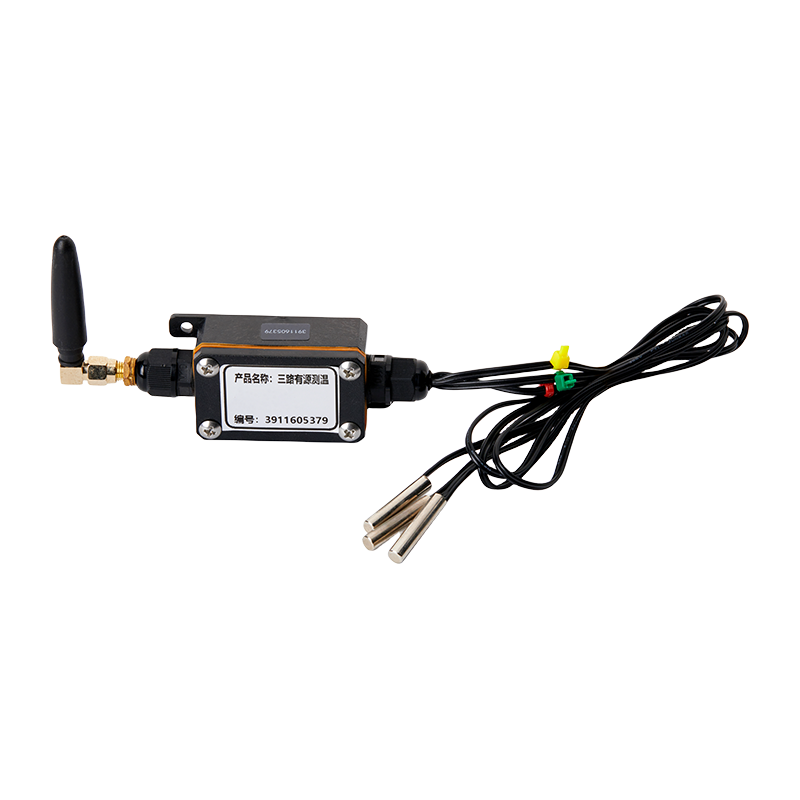
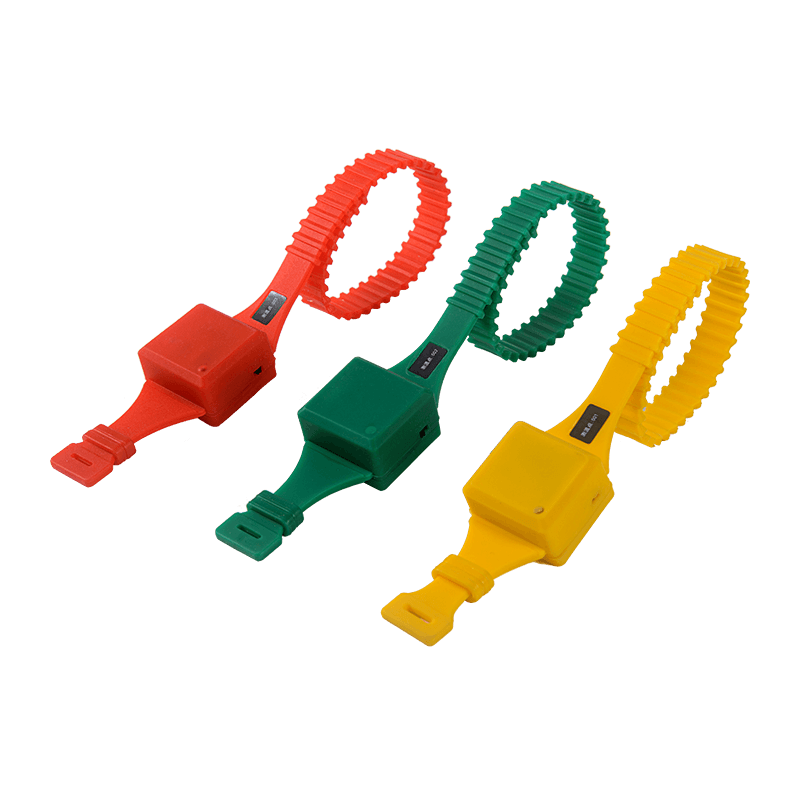
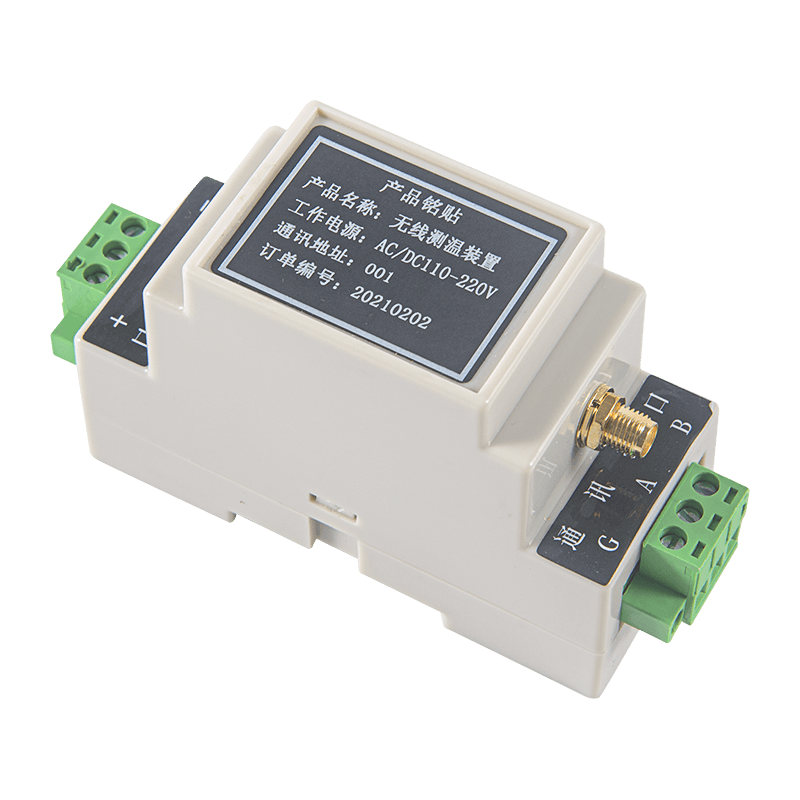
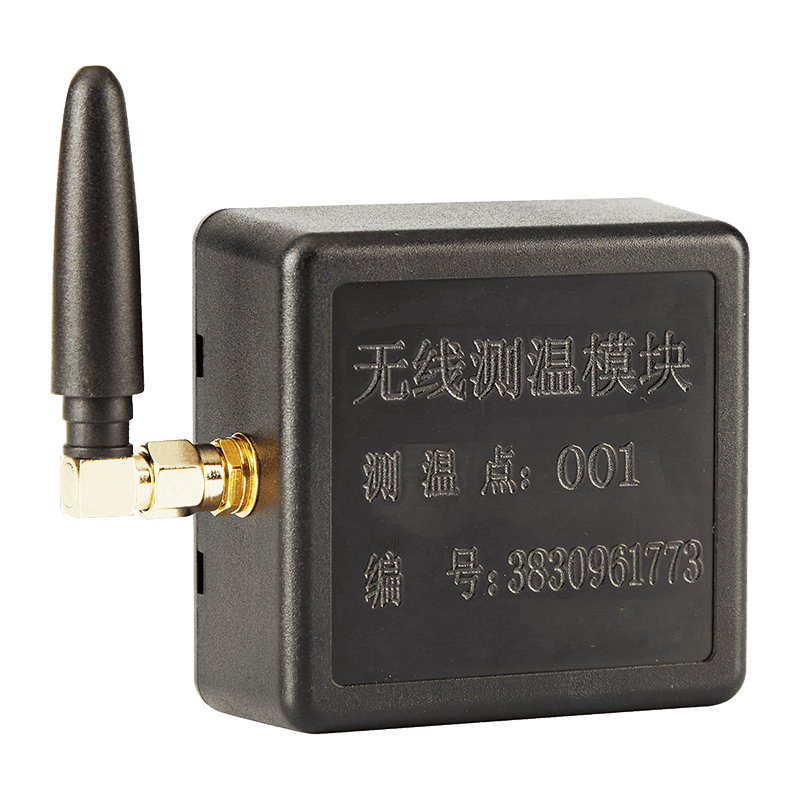
Wireless temperature sensors detect thermal anomalies that may precede overfill or spill events, especially in heated or mixed tanks.
For liquid level measurement in hydrocarbon tanks, many operators rely on AI-LE level transmitters and AI-LF level transmitters as a cost-effective way to monitor level. These transmitters support continuous monitoring and high-level alarm functions, which can be integrated into the OPP. In addition, pressure-based measurement is often used to infer level or verify the process state. The AI-TD pressure transmitter can serve as a secondary input for safety checks and control applications.
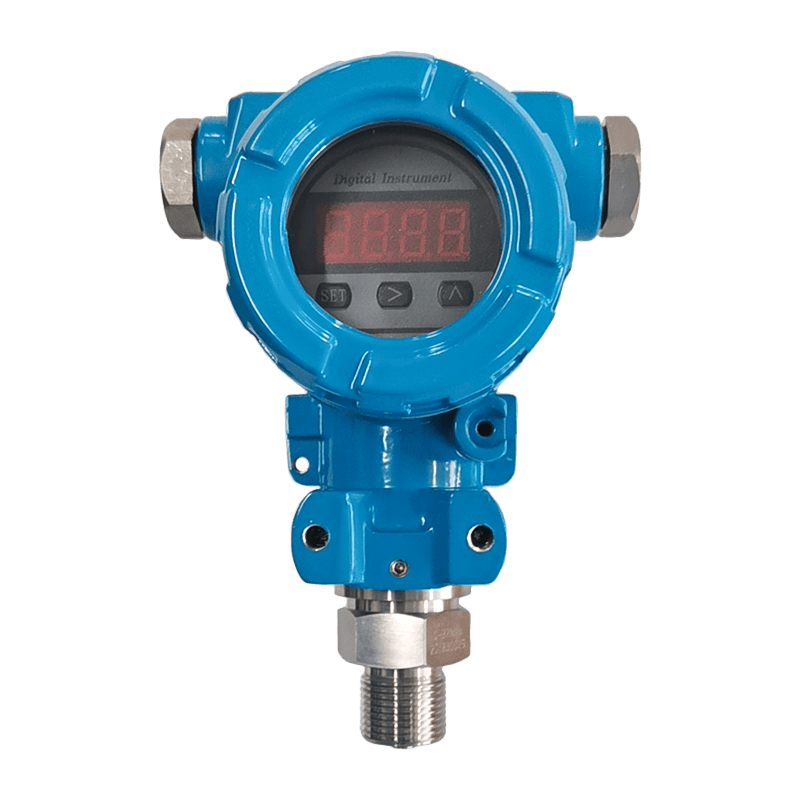 Explosion-proof Pressure Transmitter for Process VerificationWith a wide measuring range and real-time display, this transmitter supports pressure-based level verification and safety checks, offering robust protection for industrial environments.View Product →
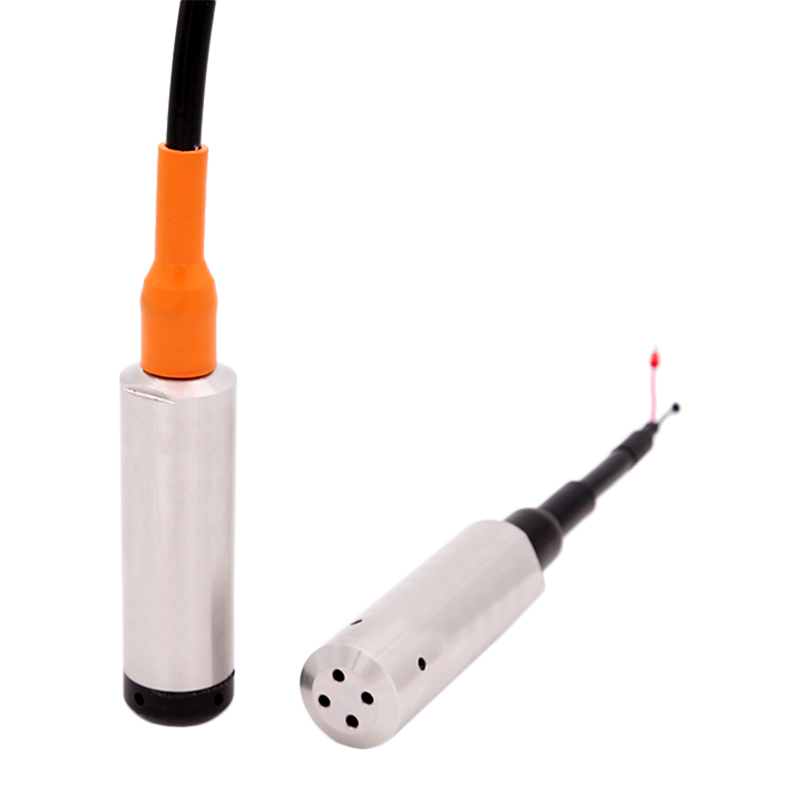 Intelligent Submersible Level Transmitter with Digital OutputFeaturing RS485 output and 0.1%FS accuracy, this transmitter provides precise level data for marine and water monitoring, enhancing safety and control in tank farms.View Product →
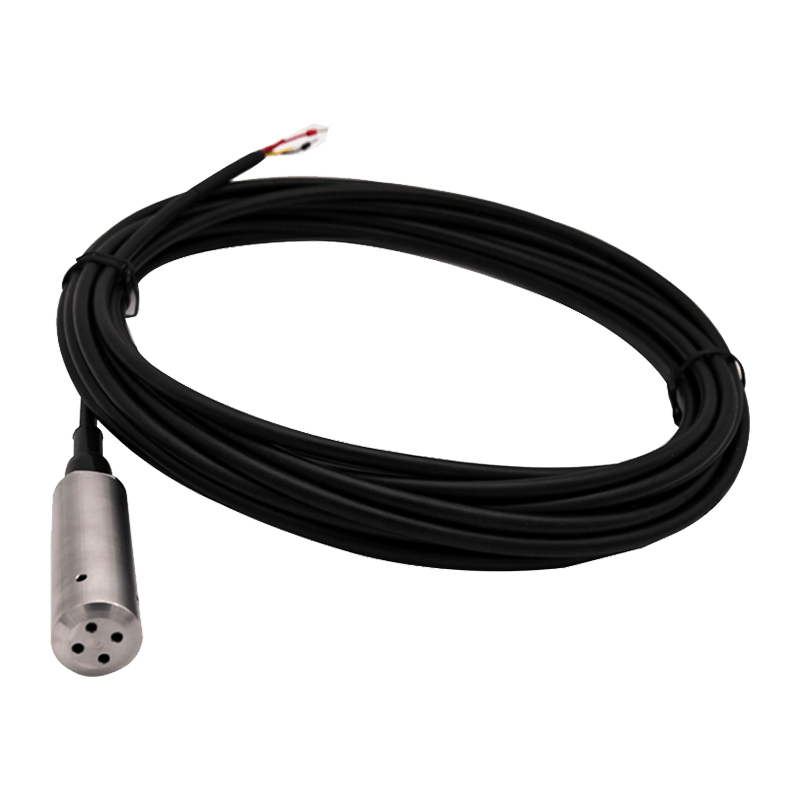 General-purpose Submersible Level Transmitter for Hydrocarbon TanksThis 316L stainless steel transmitter offers reliable hydrostatic level measurement with IP68 protection, suitable for continuous monitoring and high-level alarm integration in tank applications.View Product →
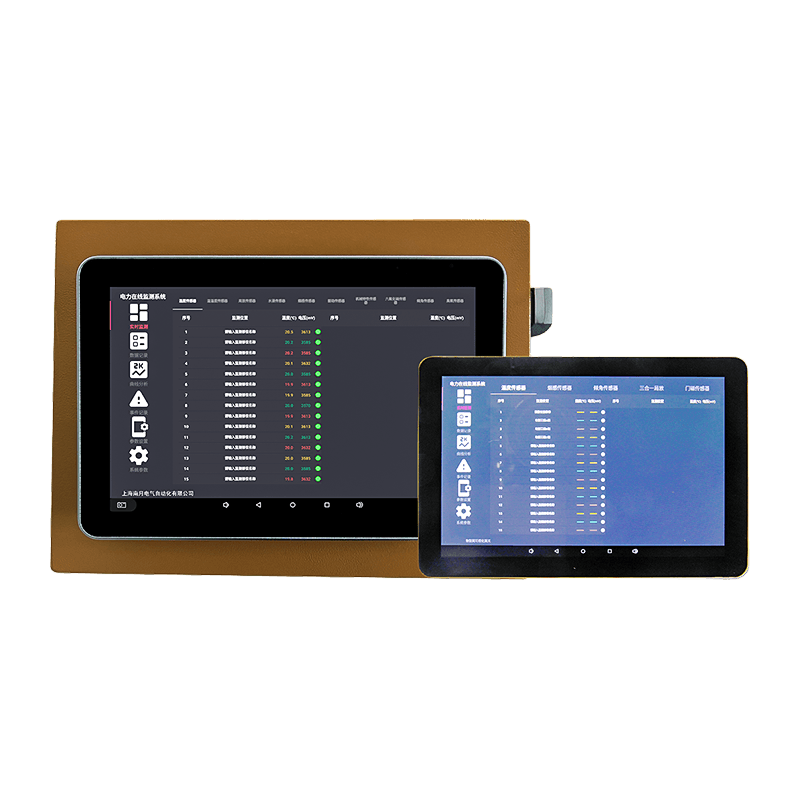
Beyond level measurement, temperature monitoring also supports overfill prevention in some applications. Many facilities use wireless sensors to collect data across the tank farm and provide early warning of abnormal conditions. For a real-world example of how this works, see our article on industrial IoT environmental monitoring systems.
Frequently Asked Questions
Q1: What is the difference between API 2350 4th and 5th editions?
The 5th edition formalises the overfill prevention process (OPP) as a management system, while the 4th edition provided guidance that was more engineering-focused. The 5th edition also introduces formal risk-based tank categorisation and stronger requirements for procedures and training.
Q2: Does API 2350 require specific instrumentation for overfill prevention?
The standard does not mandate a specific instrument model. It requires that overfill protection be provided by reliable instrumentation that is independent of normal level control, and that instruments are properly installed, calibrated, and verified.
Q3: What is the role of a level transmitter in the OPP?
A level transmitter provides continuous level data and can be configured to trigger high-level and high-high-level alarms. When selected for overfill prevention, it should be integrated into the OPP with a defined alarm response procedure.
Q4: How often should overfill prevention instruments be tested?
The interval should be based on risk assessment and regulatory requirements. Many facilities test high-level alarms weekly or monthly, and verify the level transmitter calibration at least every 6 to 12 months.
A Strong OPP Is More Than a Checklist
API 2350 5th edition raises the bar for tank safety because it treats overfill prevention as a system instead of a collection of individual components. Compliance starts with understanding the risk, then building the procedures, training, and instrumentation that together reduce the chance of an overfill to an acceptable level.
For tank owners and operators, the standard offers a clear route: assess, document, train, verify, and improve. With reliable level measurement and an active OPP in place, overfill prevention becomes a routine part of tank operations. Whether you are updating an existing system or designing a new facility, the key is to start from the OPP requirements and then choose instruments that support your process rather than the other way around.