


Walk past any industrial boiler room, and the control panel looks remarkably simple. Behind that panel, a boiler burner control system must continuously manage fuel and air delivery, monitor flame conditions, and react to both load changes and safety signals. The gap between a well-tuned system and a mediocre one is visible in fuel bills, unplanned downtime, and compliance exposure. This practical guide explains what actually matters when you evaluate burner control options, and how a new sensing and communication layer helps you improve combustion efficiency without replacing the entire boiler. This is particularly true for plants that burn natural gas, because the fuel cost is often the single largest operating expense.
What Boiler Burner Control Does
At its core, a boiler burner control system regulates combustion to produce the exact amount of heat needed. In practice, it performs three separate functions. First, a burner management system (BMS) monitors the flame and enforces safe start-up and shutdown sequences. Second, a combustion control system (CCS) adjusts the fuel and air rates to hold the correct air-to-fuel ratio. Third, it modulates the firing rate to keep steam pressure or hot water temperature steady.
Different control modes have very different effects on efficiency and operation.
| Control approach | Behavior | Typical result |
|---|---|---|
| On/off | Burner cycles at full rate | Severe temperature swings; poor part-load efficiency |
| High/low fire | Two operating positions | Limited turndown; moderate efficiency |
| Modulating | Continuous signal from a controller | Matches load precisely; stable pressure; high efficiency |
For most facilities, switching from simple cycling to a modulating control approach is the first meaningful step toward reducing fuel consumption. The goal of the sensors and control logic is to keep the combustion air at the right mass flow, at all times, without sacrificing safety.
The Critical Sensors Behind Combustion Control
Flame safeguard is non-negotiable, but optimizing combustion is where sensors become a long-term investment. Accurate data from every part of the loop lets you bias fuel, trim excess air, and catch early signs of burner degradation or fuel supply problems.
Fuel and Air Measurements
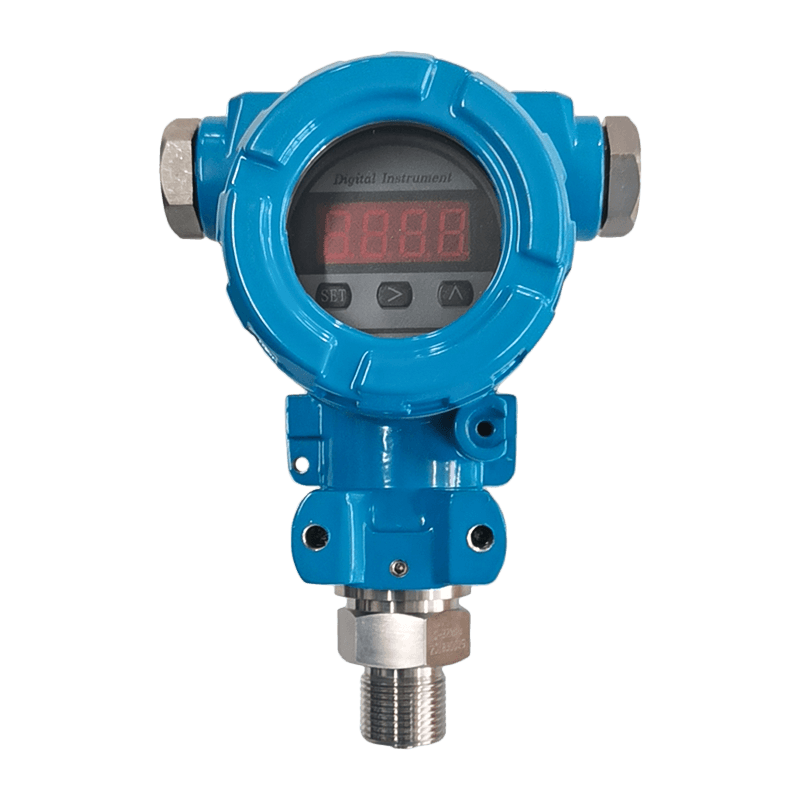
The air-to-fuel ratio is the single largest efficiency lever. On the fuel side, a pressure transmitter installed on the fuel header shows whether supply pressure is stable and whether upstream filters or regulators are working. An industrial pressure transmitter such as the AI-TH offers a rugged housing and a proven accuracy class for gas or steam service.
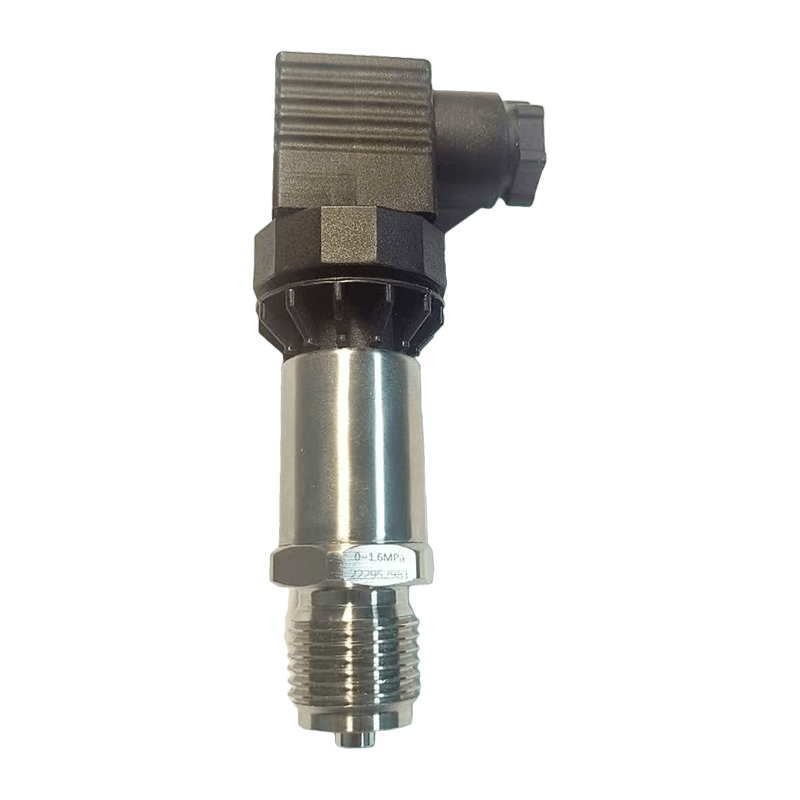 Hähnermann Series Pressure Transmitter for Fuel Header Pressure MonitoringDesigned for fuel header pressure measurement, this stainless steel transmitter ensures stable gas or steam supply. With a wide range and reliable performance, it supports efficient boiler combustion control.View Product →
On the air side, a thermal gas mass flow meter measures the mass flow of combustion air directly. Because it reads mass flow rather than volumetric flow, it reduces the complexity of temperature and pressure compensations. The AI-FC thermal mass flow meter is designed for burner inlet lines and preheated air applications.
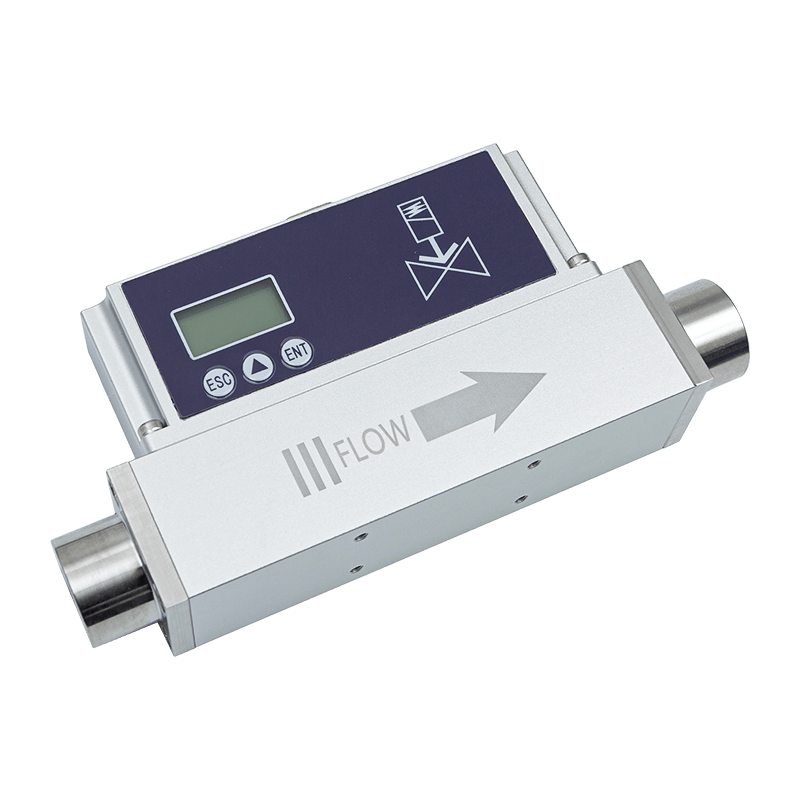 AI-FC Thermal Gas Mass Flowmeter for Combustion Air MeasurementMeasures combustion air mass flow directly, reducing temperature and pressure compensation needs. Ideal for burner inlet and preheated air, featuring a MEMS sensor and proportional valve for fast, accurate response.View Product →
Temperature Monitoring
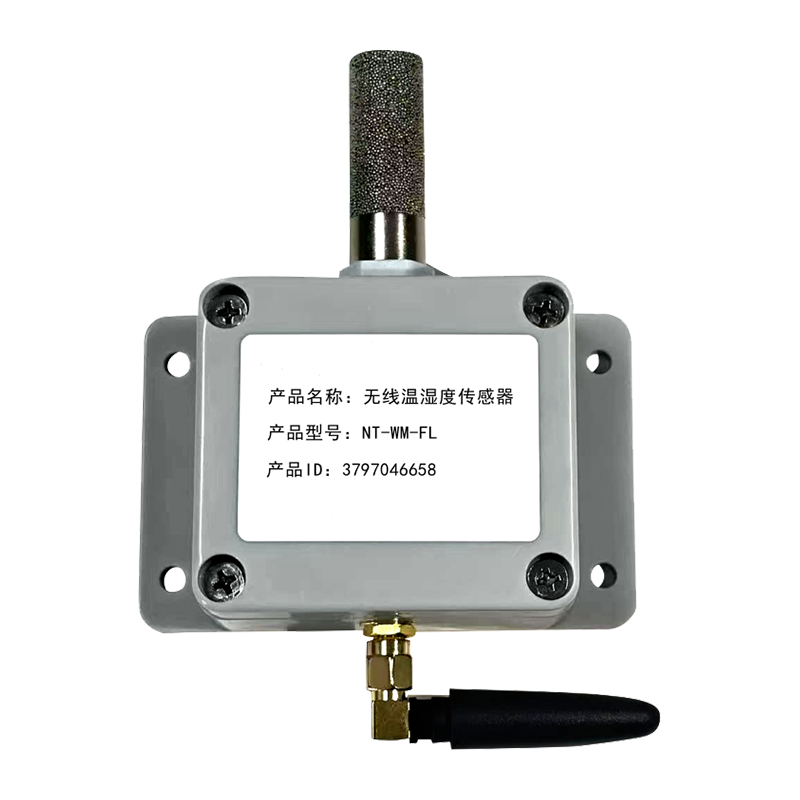
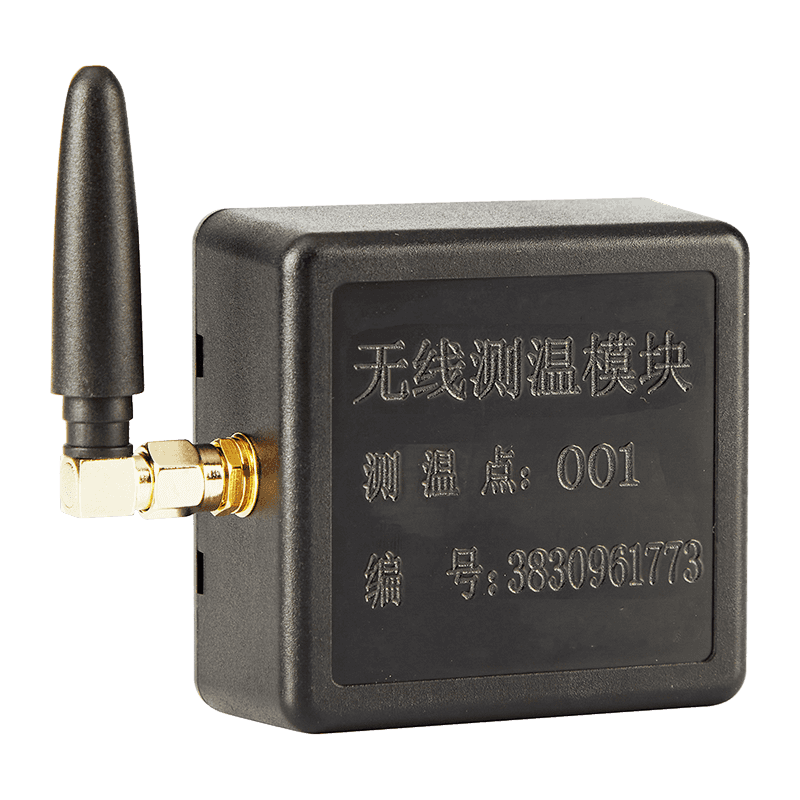
Burner control does not end at the flame. Casing temperature, flue gas temperature, and bearing temperature on the forced draft fan can all indicate poor combustion or mechanical stress. A wireless temperature sensor such as the KLDS30WS3A makes it practical to add surface measurement points without routing new cables through crowded boiler rooms. These sensors not only feed data back to the control system but also allow maintenance teams to set alarms for trends, such as a slow rise in flue gas temperature that indicates fouling.
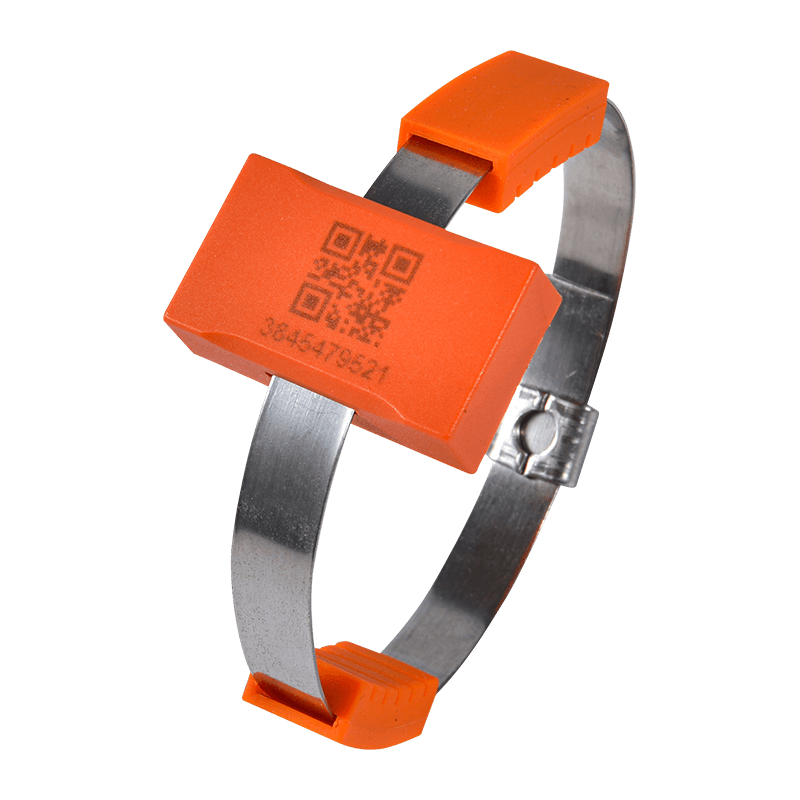 Passive Wireless Temperature Sensor for Boiler Surface MonitoringThis battery-free sensor uses inductive power from current, making it easy to mount on boiler surfaces. It monitors casing, flue gas, and bearing temperatures, transmitting data wirelessly for trend alarms without new cabling.View Product →
How a Modern Monitoring Layer Improves Reliability
The best burner controller in the world cannot perform well with sensors that drift or produce unreliable data. This is where the data infrastructure around the boiler becomes as important as the control loop itself. Modern sensor systems are modular, so you can add them to an older boiler and send data to a separate data logger or a web-based monitoring application.
To reduce cabling, a power line communication approach can send signals over existing power wiring. Our high-speed power line communication modules are engineered for noisy industrial environments and help expand sensor networks without a dedicated signal cable run. Wireless temperature and vibration sensors also reduce installation risk when the boiler is several metres from the controller enclosure. A common mistake is to upgrade the controller and keep the old thermocouples and gas valves. The new algorithms can only correct what they can measure.
The same logic applies to burner control. A wireless or PLC-based monitoring layer gives you data you can act on. Watch how temperature or pressure changes over a shift, compare them across boilers, and you will see potential savings.
Even the best industrial sensor requires a solid calibration strategy. Understanding calibration protocols for industrial temperature data allows you to set a realistic maintenance schedule and avoid drift-related false trips.
When you start with a thermal mass flow meter, it is also worth confirming how the sensor handles different gas compositions. The article on what a thermal gas mass flow meter is explains why direct mass flow measurement is preferable for combustion air in many retrofit projects.
A Practical Checklist for Elevating Boiler Burner Control
Use the points below when evaluating a burner control upgrade, or when discussing the project with a system integrator. Every retrofit has its own site-specific challenges. However, the criteria that matter when selecting components are remarkably consistent across industrial installations.
- Specify modulating control rather than simple on/off or high/low fire to achieve better part-load performance.
- Confirm sensor accuracy and repeatability. For example, the pressure transmitter chosen for fuel metering must be matched to the actual supply pressure range.
- Plan for future monitoring from day one. Select sensors that can be connected to an industrial IoT network either wirelessly or over existing power cables.
- Think beyond the controller. A burner control upgrade only delivers value if the data layer around it is reliable and documented.
These are not separate decisions. The sensor, the data layer, and the controller work as one system. The best projects choose components that can be integrated without new software or heavy engineering.
| Parameter | Recommended sensor | Why it matters |
|---|---|---|
| Fuel gas pressure | Industrial pressure transmitter | Stable supply pressure supports accurate air/fuel ratio control |
| Combustion air flow | Thermal gas mass flow meter | Direct mass flow measurement gives a true process control signal |
| Surface temperature | Wireless temperature sensor | Easy retrofit; reduces wiring cost in a crowded boiler room |
FAQ on Boiler Burner Control
Q1: What is the difference between a burner management system and a combustion control system?
A burner management system is a safety system. It monitors flame presence, prevents unsafe burner starts, and trips the burner on a fault. A combustion control system is an efficiency system. It adjusts fuel and air to match the load demand. Both are required for a safe and efficient boiler.
Q2: Can I add sensors to an existing boiler without replacing the controller?
Yes. Many modern sensors are modular. You can install a wireless temperature sensor or a thermal mass flow meter on an older boiler and send the data to a separate data logger or cloud platform. The burner controller does not need to be replaced, as long as the safety logic remains intact.
Q3: How do I know if my burner is using too much excess air?
Visible smoke or unusually high flue gas temperature is a strong indicator. A more precise diagnosis compares the measured air and fuel flow against the combustion curve. Direct mass flow measurement of the air and fuel provides the most reliable signal for optimizing excess air.