How Have High-Speed Input & Output PLCs Become a Crucial Foundation for the Era of Smart Manufacturing?
In today's rapidly developing smart manufacturing landscape, industrial automation is no longer limited to equipment control but is evolving towards datafication, networking, and intelligence. More and more manufacturing companies are realizing that a truly efficient smart factory requires not only advanced machinery but also a core control platform capable of rapidly processing data, stably connecting to systems, and providing real-time responses.
Against this backdrop, High-Speed Input & Output PLCs are gradually becoming a key technology in industrial automation upgrades.
Compared to traditional PLCs, high-speed input & output PLCs can complete signal acquisition, logic operations, and control outputs in a shorter time, thus meeting the high efficiency, high precision, and high stability requirements of modern production lines. Especially in applications such as high-speed production, robot collaboration, equipment networking, and the Industrial Internet of Things (IIoT), the importance of high-speed PLCs is constantly increasing.
What Are the Core Advantages of High-Speed Input & Output PLCs?
For a long time, traditional PLCs have provided crucial support for the development of industrial automation. However, with the continuous increase in the number of factory devices and the rising frequency of data interaction, ordinary PLCs are beginning to face pressure in terms of response speed and communication capabilities.
The core advantage of High-Speed Input & Output PLCs lies primarily in their speed. They can complete input signal recognition and output control in milliseconds or even less, effectively reducing equipment latency and improving the overall efficiency of the production line.
For example, in high-speed packaging, electronics manufacturing, and new energy equipment production, the system needs to continuously perform a large number of motion controls. If the PLC's response speed is insufficient, it may lead to inconsistent equipment cycles or even product errors. High-speed PLCs can accurately process high-frequency signals, ensuring more stable equipment operation.
Besides speed, data processing capability is another important feature of high-speed PLCs. Modern factories not only focus on equipment operation but also need to collect multi-dimensional data such as temperature, current, pressure, and vibration in real time. This data directly affects equipment maintenance, energy management, and production optimization.
High-speed PLCs can quickly integrate data from different devices and upload it to the management platform via industrial communication networks, providing fundamental support for enterprises to achieve data-driven operations.
Why Are Smart Factories Increasingly Reliant on High-Speed PLCs?
One of the biggest changes in the Industry 4.0 era is the increasingly close connection between equipment.
In the past, a single piece of equipment often operated independently; today, the entire factory functions more like a highly collaborative data network. Continuous data exchange is required between robots, sensors, vision inspection systems, MES systems, and cloud platforms.
If the control system cannot respond promptly, it will impact the entire production process.
This is why more and more companies are adopting High-Speed Input & Output PLCs.
High-speed PLCs not only handle traditional control tasks but are also increasingly becoming edge data nodes in the Industrial Internet of Things (IIoT). They can quickly process data locally and reduce the pressure on cloud systems, thereby improving overall system efficiency.
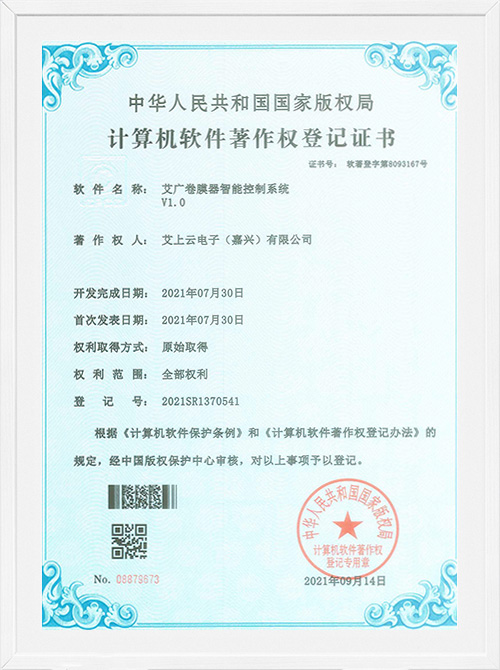
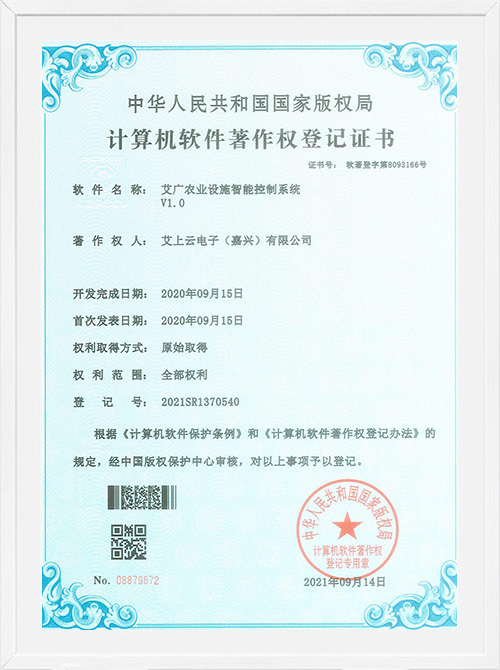
As a key player in the IIoT field, ASY Electronics (JiaXing) Co., Ltd. has long focused on the research and development of intelligent manufacturing and industrial communication technologies. The company has built a complete industrial IoT solution system around data sensing and intelligent connectivity, helping manufacturing enterprises achieve equipment interconnection and digital upgrades through its independently developed edge layer hardware and data integration solutions.
For many manufacturing enterprises, the biggest challenge in digital transformation is not purchasing equipment, but rather how to ensure that existing systems truly achieve stable collaboration. ASY Electronics, with its extensive experience in industrial environments, can provide customers with more compatible and scalable solutions tailored to different application needs.
How Are High-Speed PLCs and Industrial Communication Technologies Integrating?
As industrial network environments become increasingly complex, high-speed control capabilities alone are no longer sufficient; PLCs must also possess stable data communication capabilities.
Currently, more and more companies are focusing on the application of high-speed industrial communication technologies in smart factories, especially in long-distance data transmission and complex industrial environments where communication stability is paramount.
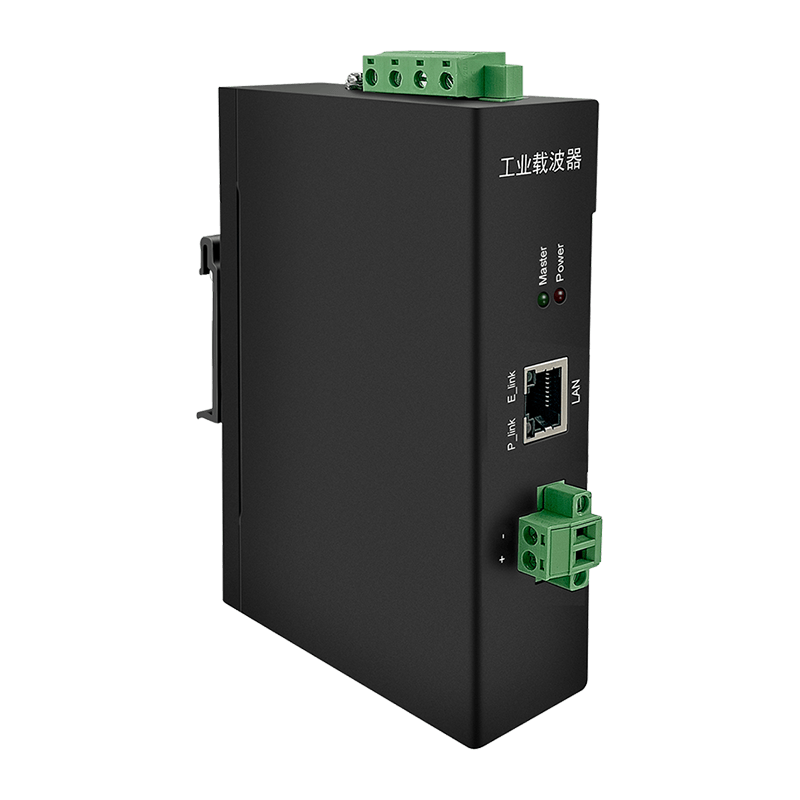
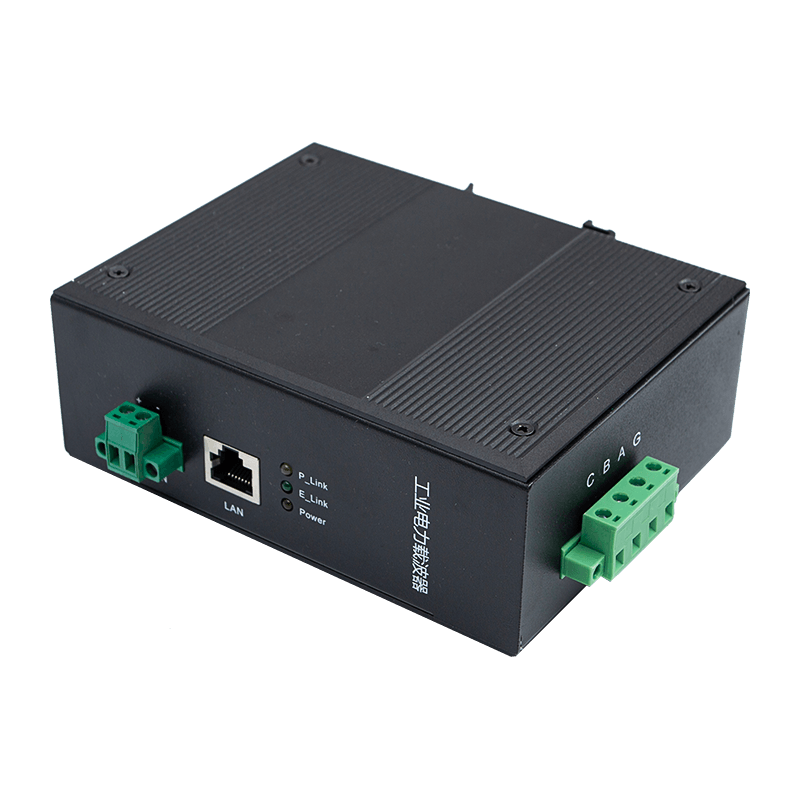
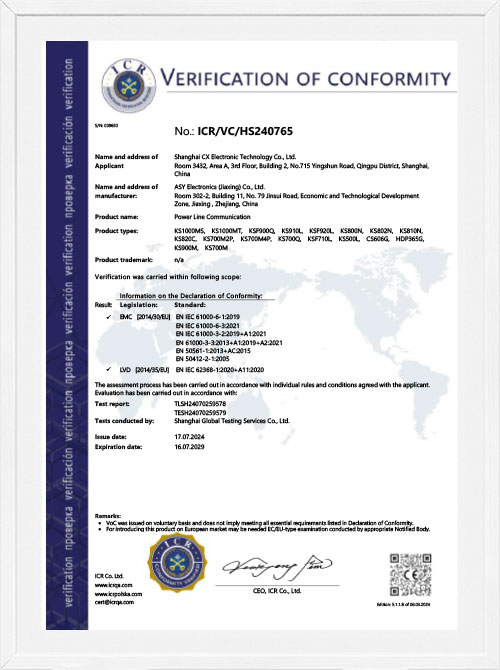
ASY Electronics (JiaXing) Co., Ltd., a leading manufacturer in the High-speed Power Line Communication (HD-PLC) field, has accumulated rich experience in broadband power line communication technology. The company's Broadband Over Power Lines solution can fully utilize existing power lines to achieve high-speed data transmission, reducing cabling costs while improving the efficiency of industrial communication deployment.
This technology has significant advantages for large factories, energy systems, and complex industrial environments.
Traditional industrial communication can be hampered by issues such as cabling distance, construction difficulty, and environmental interference in certain scenarios. HD-PLC technology, however, can achieve data communication over existing power networks, helping enterprises complete intelligent transformation more quickly.
For enterprises needing to rapidly deploy industrial IoT systems, this approach not only reduces construction time but also lowers overall upgrade costs.
In Which Industries Are High-Speed I/O PLCs Most Widely Used?
Currently, high-speed input/output PLCs are widely used in multiple industries.
New Energy Vehicle Manufacturing
In the new energy vehicle manufacturing sector, the collaborative operation of numerous robots requires extremely high synchronization precision. High-speed PLCs can quickly complete multi-axis control and real-time data processing, ensuring more accurate welding, assembly, and inspection processes.
Electronics Manufacturing
In the electronics manufacturing industry, due to the precision of product structures and extremely fast production cycles, the response speed requirements for PLCs are extremely high. High-speed I/O PLCs can effectively reduce error rates and improve the stability of continuous equipment operation.
Smart Warehousing
High-speed PLCs also play a crucial role in the field of smart warehousing. High-speed PLCs ensure efficient operation of logistics systems by enabling rapid communication and coordinated control between automated sorting systems, conveying systems, and AGV equipment.
Energy Management and Industrial Monitoring
High-speed PLCs are also becoming core control platforms in energy management, smart grids, and industrial monitoring.
Especially with the rapid development of the Industrial Internet of Things (IIoT), PLCs have gradually transformed from traditional control devices into crucial entry points for industrial data.
FAQ
What Is the Biggest Difference Between a High-Speed Input & Output PLC and a Regular PLC?
The biggest difference lies in response speed and data processing capabilities. High-speed PLCs can complete input/output control faster and are more suitable for high-speed production lines and complex automation systems.
Which Industries Are Suitable for High-Speed PLCs?
Currently, they are widely used in new energy vehicles, electronics manufacturing, smart warehousing, robotics automation, energy management, and the IIoT.
What Are the Advantages of HD-PLC Technology in Industrial Scenarios?
HD-PLCs can utilize existing power lines for high-speed data communication, reducing additional wiring costs and improving the efficiency of industrial network deployment.