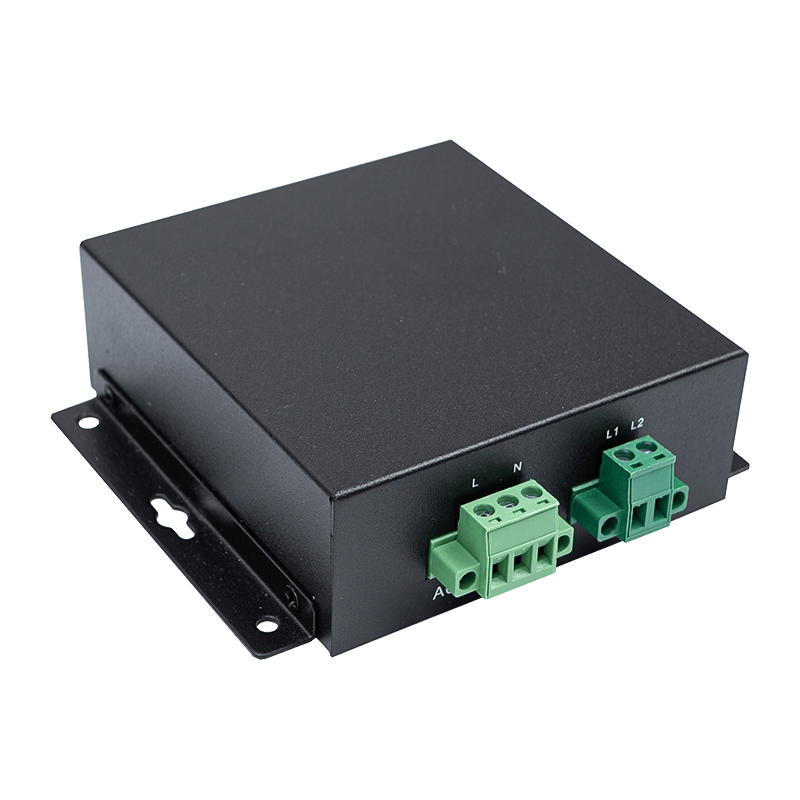
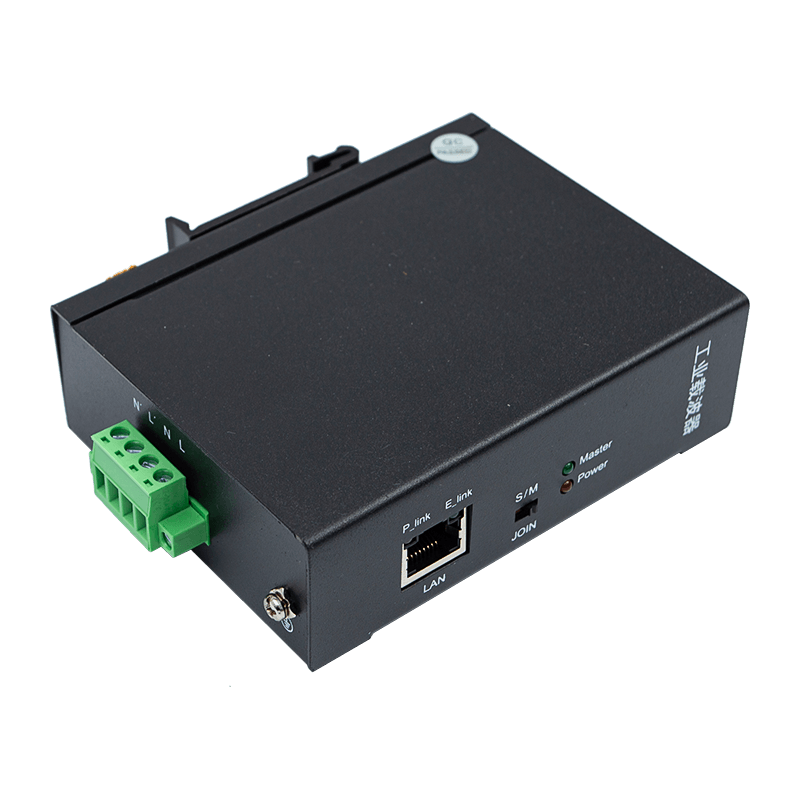
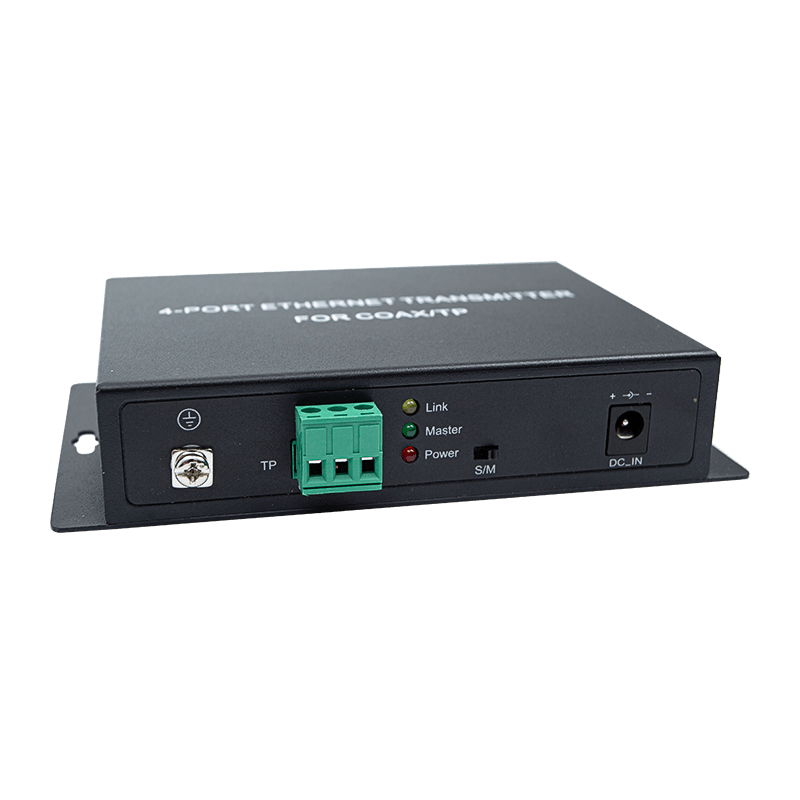
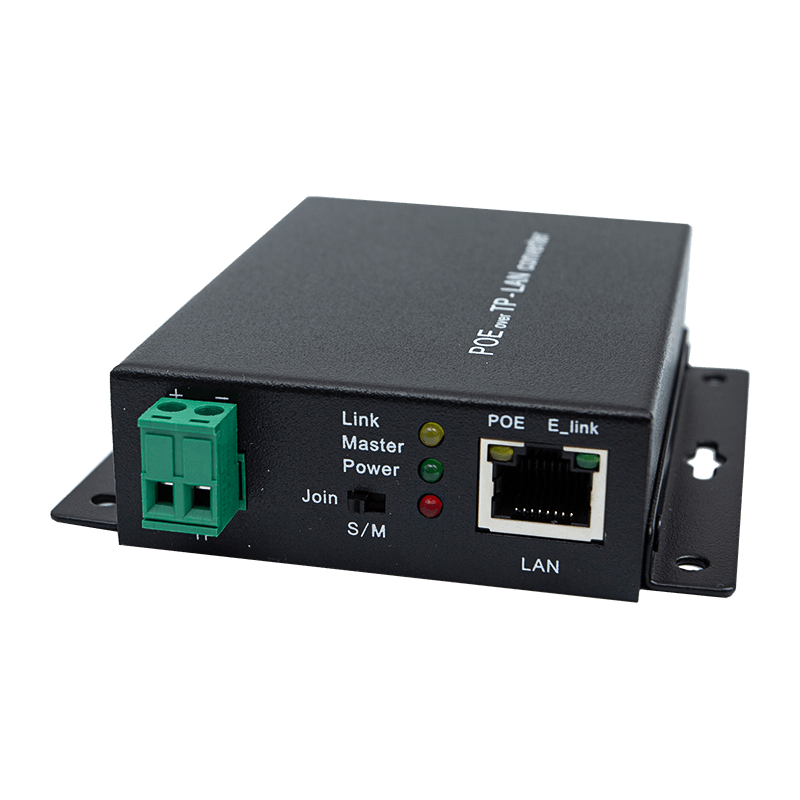
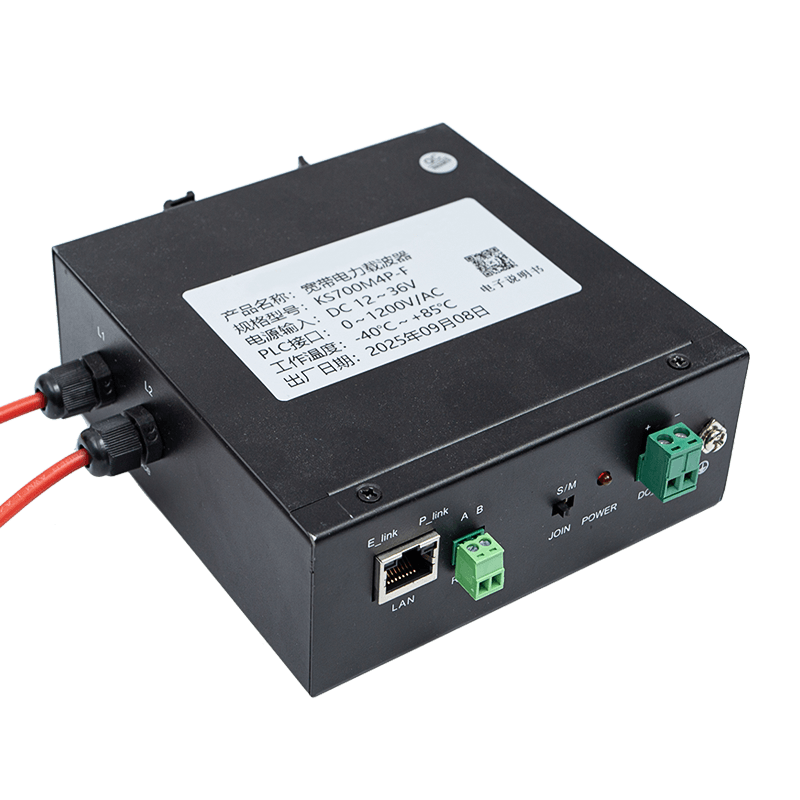
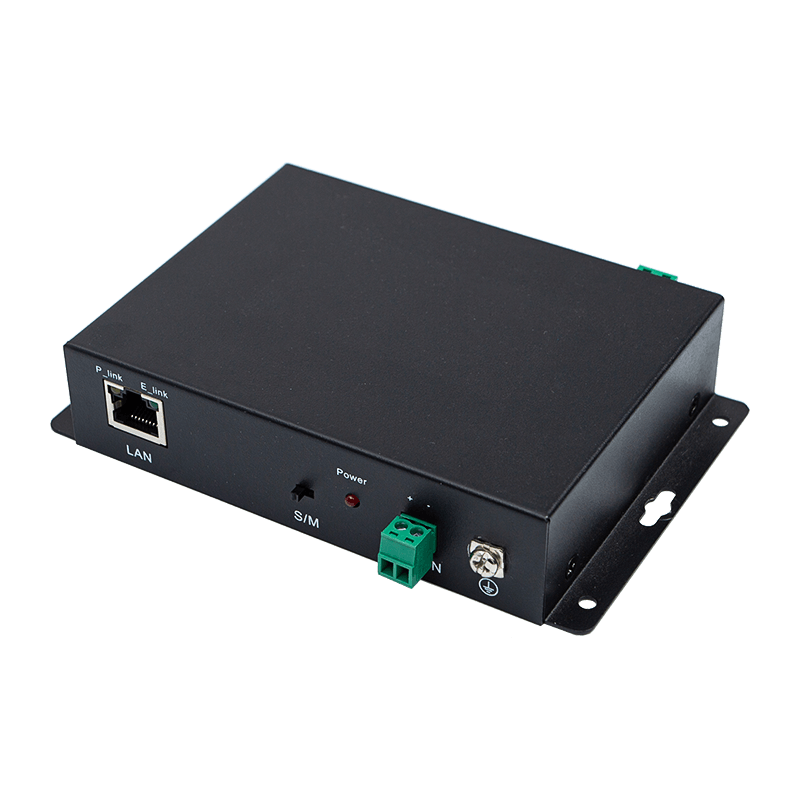
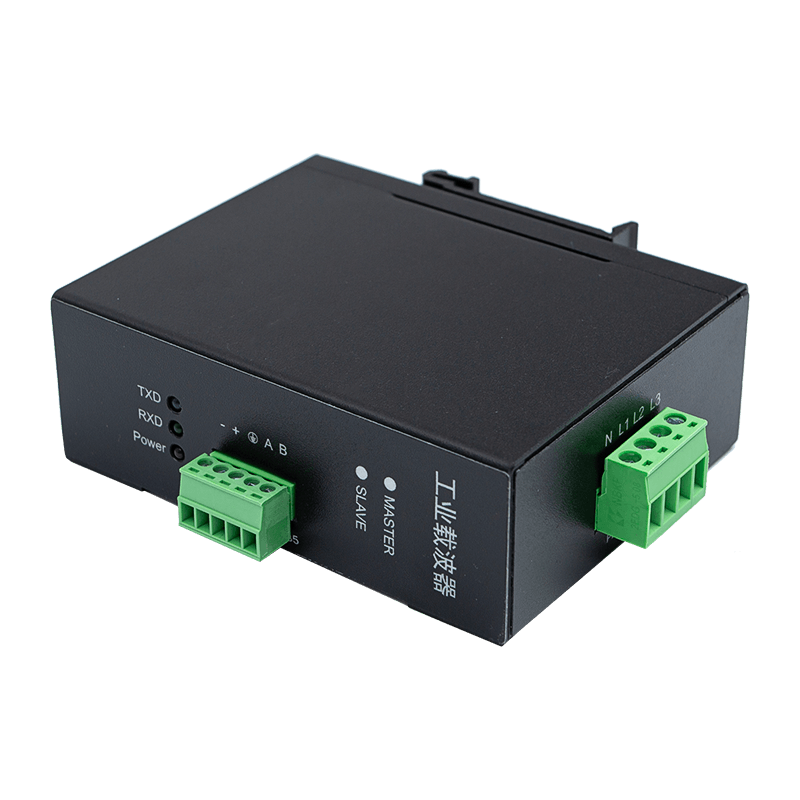
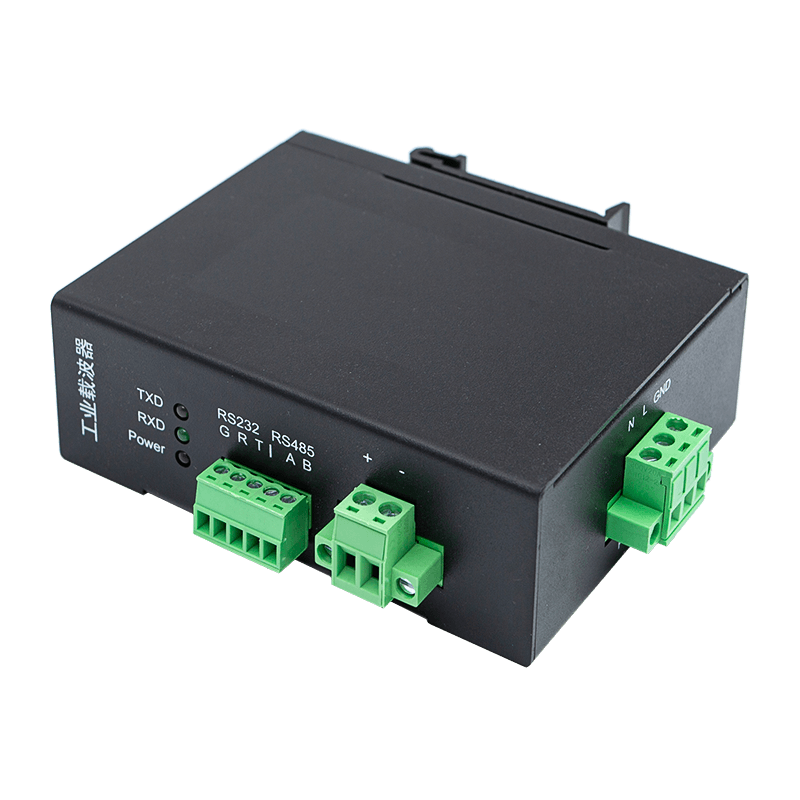
In today's rapidly evolving industrial digitalization landscape, every piece of equipment, every sensor, and every production line in a factory continuously generates massive amounts of data. How to ensure the stable and efficient transmission of this data and truly serve production decisions has become a crucial issue for manufacturing enterprises moving towards intelligent manufacturing.
While traditional communication methods are relatively mature, they still face practical problems in complex industrial environments, such as high wiring costs, long construction cycles, and insufficient anti-interference capabilities. Against this backdrop, High-speed Power Line Communication (H-PLC) is attracting increasing attention from industrial enterprises.
H-PLC not only utilizes existing power lines for high-speed data transmission but also offers advantages such as flexible deployment, stability, reliability, and cost control, making it one of the key technologies in the construction of the Industrial Internet of Things (IIoT).
What is High-speed Power Line Communication (H-PLC)?
High-speed Power Line Communication (H-PLC) is a communication technology that transmits data over existing power lines. Unlike traditional PLCs (Programmable Logic Controllers), H-PLC stands for Power Line Communication.
Simply put, H-PLCs can transmit data at high speed by overlaying it onto power lines without laying additional communication cables. This means that lines originally used for power supply in a factory can also handle equipment networking, data acquisition, and remote control functions.
Compared to traditional low-speed power line communication technology, H-PLCs offer significant improvements in bandwidth, transmission stability, and interference immunity, meeting the real-time data transmission requirements of modern industrial environments.
Main Application Areas of H-PLC
| Smart Factories |
Industrial Automation Equipment |
| Smart Lighting |
New Energy Systems |
| Energy Management Systems |
Smart Meters and Distribution Systems |
| Smart Buildings |
Industrial IoT Infrastructure |
Especially with the rapid development of the Industrial Internet of Things (IIoT), H-PLCs are becoming a crucial bridge connecting the device layer and the data layer.
Why are more and more factories adopting H-PLCs?
1. No Rewiring Required, Significantly Reducing Deployment Costs
For traditional industrial communication networks, cabling often means high labor and time costs. This is especially true when renovating older factories, where laying new communication lines is not only complex but can also disrupt normal production.
One of the biggest advantages of H-PLC is its ability to directly utilize existing power lines for communication.
This means that companies can quickly network their devices without large-scale infrastructure modifications. This advantage is particularly significant for factories that need to deploy sensors, monitoring terminals, and edge devices across a large area.
In many industrial scenarios, H-PLC can even help companies shorten project implementation cycles by weeks or even months.
2. More Suitable for Complex Industrial Environments
Industrial environments often involve significant electromagnetic interference, high temperatures, high humidity, and complex mechanical structures, placing extremely high demands on communication stability.
Compared to some wireless communication technologies, H-PLC relies on physical power lines for data transmission, giving it a natural advantage in stability.
Furthermore, modern H-PLC technology, through advanced modulation algorithms and anti-interference designs, can maintain high data integrity and communication reliability in complex power grid environments.
For production systems requiring continuous operation, stable data communication capabilities are directly related to equipment efficiency and production safety.
3. Meeting Real-Time Industrial Data Needs
In the era of smart manufacturing, equipment status monitoring, energy consumption analysis, predictive maintenance, and production optimization all rely on real-time data acquisition.
Traditional low-speed communication solutions are no longer sufficient to meet the massive data transmission demands of industrial sites.
H-PLCs, with their higher data transmission rates, can support:
| Real-time equipment monitoring |
High-frequency data acquisition |
| Multi-node collaborative communication |
Edge computing data feedback |
| Industrial control system linkage |
Remote device management |
This makes it an important component of the modern Industrial Internet of Things (IIoT) architecture.
What are the practical applications of H-PLCs in smart factories?
Equipment Status Monitoring
Modern factories increasingly emphasize predictive maintenance.
Through H-PLCs, companies can quickly connect devices such as vibration sensors, temperature sensors, and current detection modules to achieve real-time monitoring of the operating status of production equipment.
Once the system detects abnormal data, it can provide early warnings, helping companies reduce downtime risks.
Refined Energy Management
Energy management has become an important direction for manufacturing companies to reduce operating costs.
H-PLCs help enterprises quickly build energy consumption data collection networks, enabling tiered energy consumption analysis of workshops, equipment, and production units.
Through real-time data, managers can more clearly identify high-energy-consuming processes and optimize energy efficiency.
Production Process Optimization
In smart manufacturing systems, data is not only used for monitoring but also for optimization.
H-PLCs can stably transmit field equipment data to MES, SCADA, and industrial data platforms, providing a reliable data foundation for production scheduling, process optimization, and quality analysis.
With the development of AI and industrial big data technologies, high-quality data connectivity will become increasingly important.
Why are Industrial IoT companies increasingly emphasizing H-PLCs?
The core of Industrial IoT is not just "device networking," but "efficient data collaboration."
If data acquisition is unstable or communication latency is too high, the entire smart factory system may be affected.
Therefore, more and more Industrial IoT companies are beginning to use H-PLCs as an important edge communication solution.
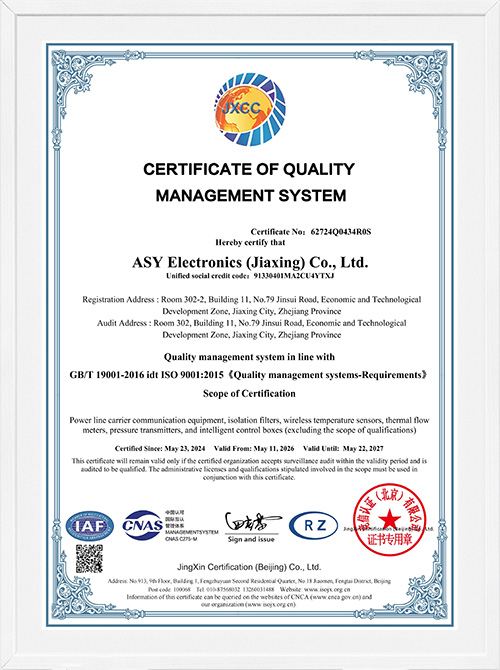
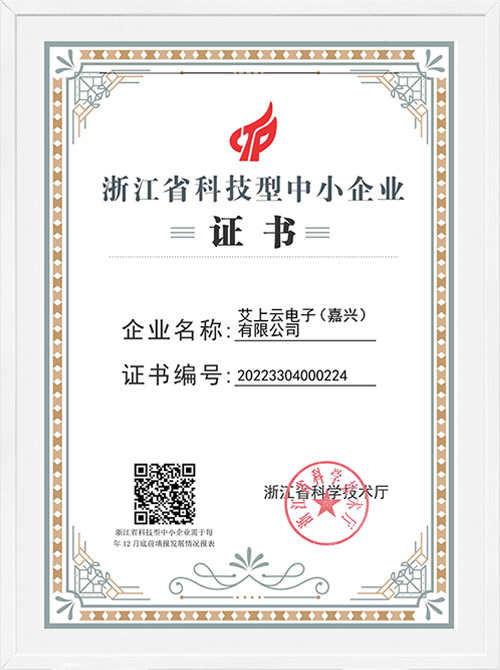
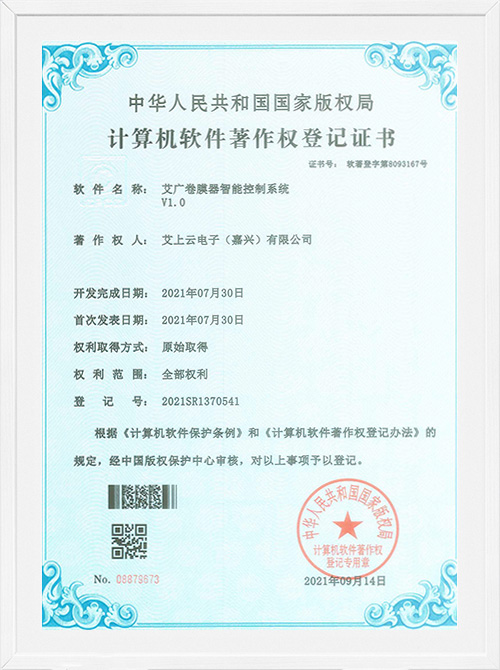
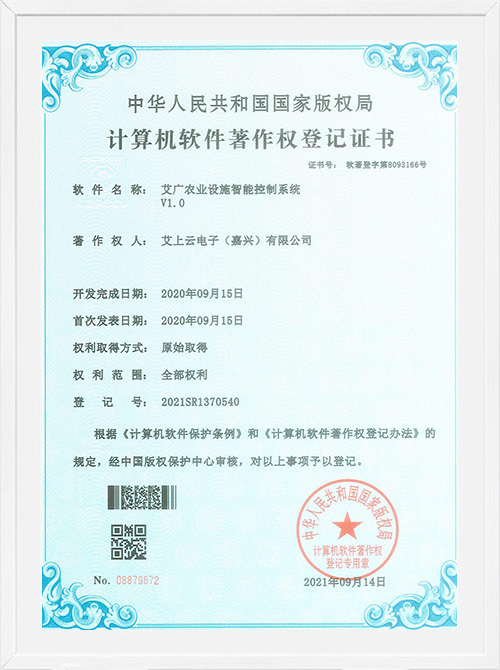
As a high-tech enterprise specializing in the Industrial Internet of Things (IIoT) field, ASY Electronics (JiaXing) Co., Ltd. is committed to promoting the digital and intelligent upgrading of the manufacturing industry.
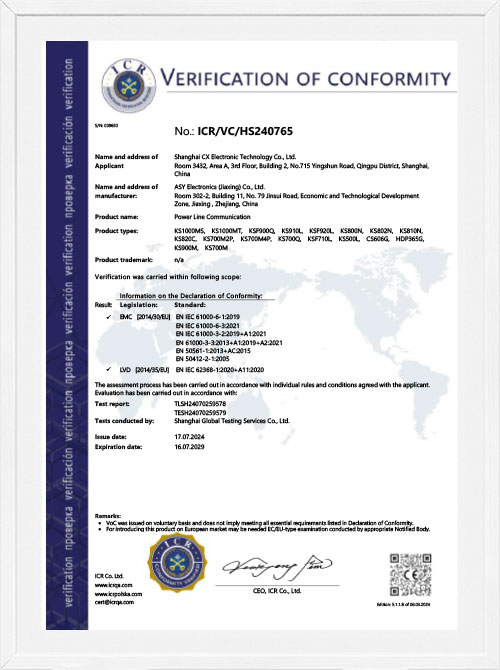
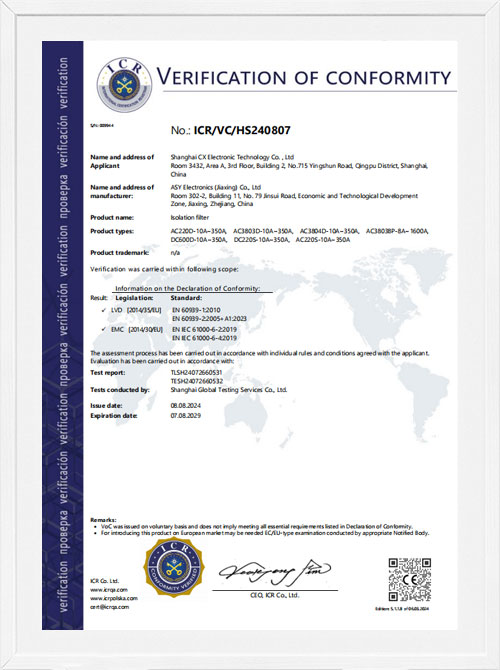
ASY Electronics is a China Custom High-speed Power Line Communication (H-PLC) Supplier and Manufacturer, focusing on the research and development of Industrial Internet of Things (IoT) technologies. With "data sensing" and "intelligent connectivity" as its core capabilities, it helps manufacturing enterprises build more efficient, collaborative, and future-oriented smart factories.
Through its independently developed edge layer hardware and data integration solutions, the company provides customers with integrated solutions ranging from equipment status monitoring and refined energy management to production process optimization.
In the H-PLC field, ASY Electronics not only provides stable and reliable product solutions but also offers more targeted system integration support tailored to the actual needs of industrial sites.
Compared to suppliers that simply provide communication modules, ASY Electronics focuses more on the real-world application of industrial data value.
This comprehensive capability of "hardware + data + scenario" enables enterprises to more efficiently advance their digital transformation.
Conclusion
High-speed power line communication (H-PLC) is redefining data connectivity in industrial settings.
It not only solves the cabling and cost issues of traditional industrial communication but also provides a more stable and efficient data transmission foundation for smart factory construction.
With the continuous development of Industrial IoT, edge computing, and AI technologies, the importance of H-PLC will continue to increase.
For manufacturing companies looking to achieve digital transformation, choosing a mature and reliable H-PLC partner will be a crucial step in improving production efficiency, optimizing energy management, and building the smart factory of the future.
As a company deeply rooted in the Industrial IoT field, ASY Electronics (JiaXing) Co., Ltd. will continue to focus on "data sensing" and "intelligent connectivity" to provide global manufacturing companies with more advanced and reliable High-speed Power Line Communication (H-PLC) solutions, helping industrial intelligence to continuously upgrade.
FAQ
Q1: What is the difference between H-PLC and traditional industrial Ethernet?
H-PLC primarily utilizes existing power lines for communication, eliminating the need for additional network cabling, making it more suitable for retrofit projects and complex industrial environments; while industrial Ethernet typically requires independent cabling.
Q2: Is H-PLC suitable for retrofitting old factories?
Very suitable. Since H-PLC can directly utilize existing power lines, it effectively reduces retrofitting costs and construction difficulty.
Q3: How stable is H-PLC in industrial environments?
Modern H-PLC technology has strong anti-interference capabilities and can achieve stable communication in most industrial environments.
Q4: What support does ASY Electronics provide?
ASY Electronics not only provides High-speed Power Line Communication (H-PLC) products, but also provides edge hardware, data integration, and overall industrial IoT solutions.
Q5: Will H-PLC replace wireless communication in the future?
The two are more complementary. H-PLC has advantages in stability and cost, while wireless communication is more suitable for mobile scenarios. Future industrial networks will typically employ a combination of communication technologies in coordinated deployment.