

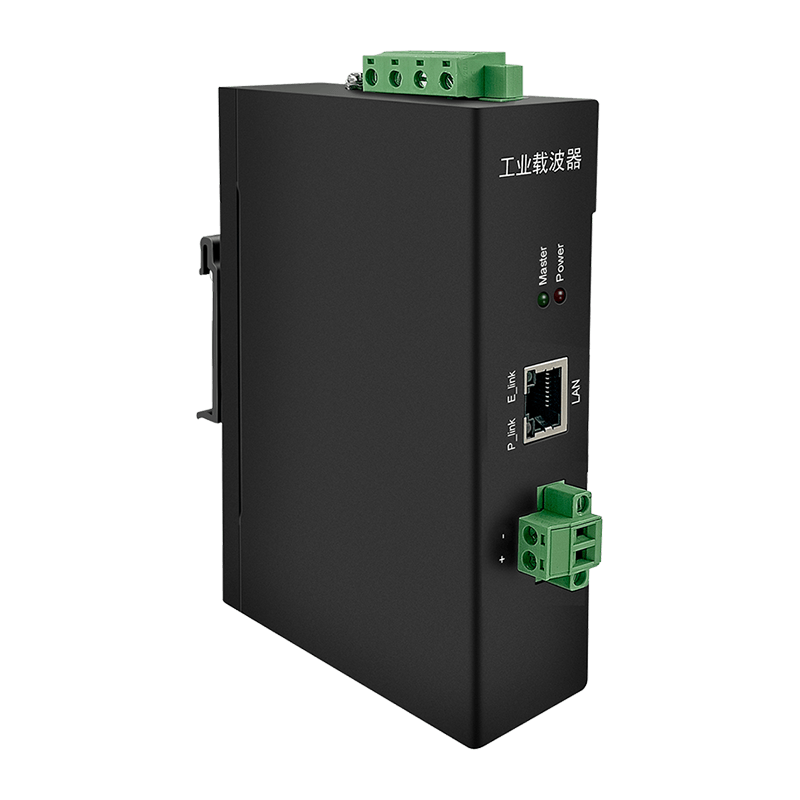
On a retrofit factory floor, the difference between "we need network access here" and "we have a cable running here" can be days of downtime. Broadband PLC uses the existing AC power line to carry data, while Ethernet requires a dedicated twisted-pair cable. The short answer: choose broadband PLC when the main constraint is pulling cable and the application tolerates moderate latency; choose Ethernet when you need guaranteed bandwidth, low latency, or a clean new installation. The sections below compare the two at the level that matters to plant managers, automation engineers, and IT teams.
Broadband PLC and Ethernet Communication at a Glance
Broadband PLC and Ethernet solve the same problem of moving data between machines, controllers, and dashboards, but they use different physical layers. Ethernet is a switched packet-based LAN technology defined by IEEE 802.3. It uses twisted-pair copper or fiber, supports full-duplex operation, and has a standard per-segment reach of 100 m for copper. Broadband PLC, especially high-speed power line communication such as H-PLC or HD-PLC, modulates a high-frequency data signal onto the same power line that feeds the equipment. This removes the need for new cable, but the power line is a shared and noisy medium.
That difference is the basis for every practical decision. Ethernet is the predictable baseline. Broadband PLC is an extension for situations where structured cabling is costly, risky, or physically impossible to install.
Side-by-Side Comparison: Broadband PLC vs Ethernet
To compare honestly, look at the properties that affect real control and monitoring traffic, not just the theoretical data rate.
| Parameter | Broadband PLC | Ethernet |
|---|---|---|
| Physical medium | Existing AC power line | Dedicated twisted-pair cable |
| Typical data rate | Up to hundreds of Mbps on clean lines; often 30-150 Mbps in the field | 100 Mbps to 10 Gbps depending on the standard |
| Segment distance | No 100 m limit, but attenuation and transformer crossings matter | 100 m per copper segment |
| Latency | A few milliseconds to tens of milliseconds | Sub-millisecond on switched LANs |
| Noise immunity | Moderate; VFDs and switching supplies add interference | Good with shielded cable and proper grounding |
| Deployment cost | Low for retrofit because no new cable is needed | Low for new installs; higher for retrofit labor |
| Security | Shared medium that needs encryption and isolation | Easy to segment with VLANs and access control lists |
Key takeaway: Ethernet provides the stable backbone; broadband PLC is the practical last drop where new cable cannot go.
When Broadband PLC Is the Better Choice
Broadband PLC wins when the cost and downtime of running cable are greater than the cost of accepting a shared medium. Use it in these situations:
- Retrofit production lines, warehouses, and older buildings without structured cabling.
- Temporary commissioning rigs and test stations that move frequently.
- Control and monitoring applications that need 1 to 100 Mbps rather than video streams.
- Areas where Wi-Fi cannot reliably penetrate metal enclosures or where radio transmission is restricted.
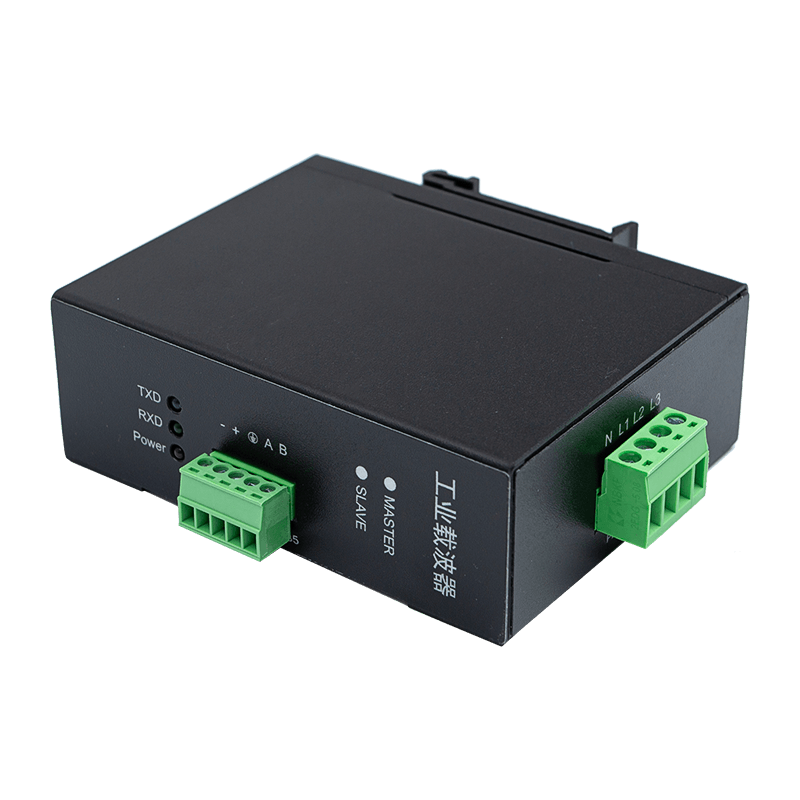
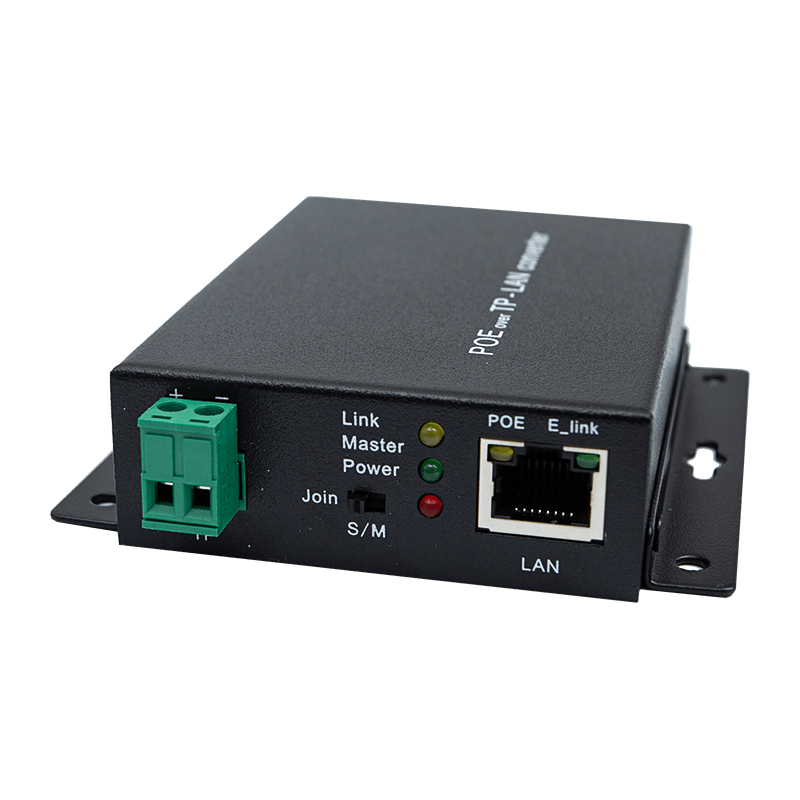
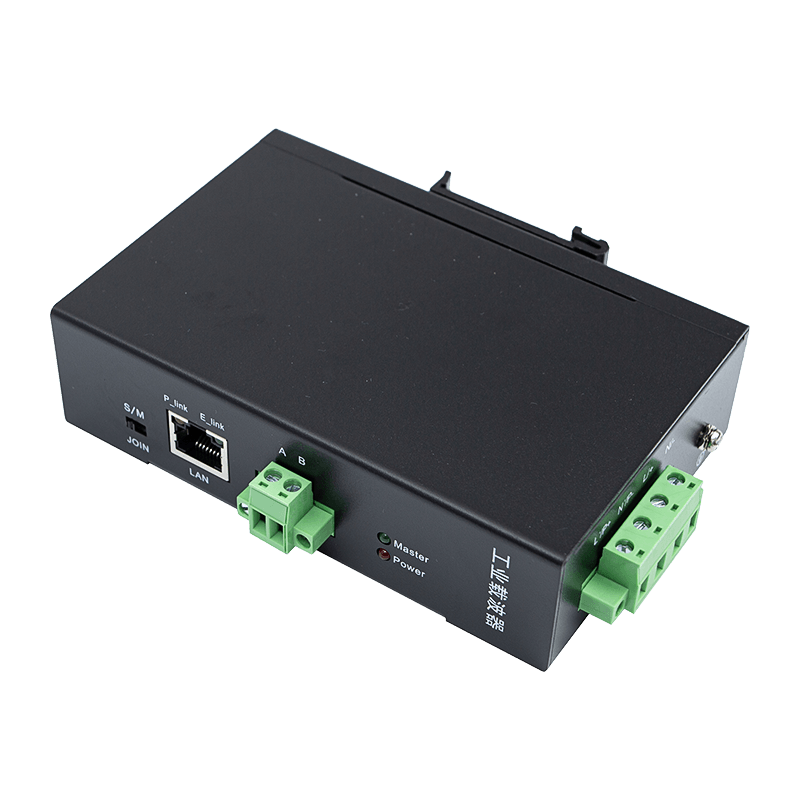
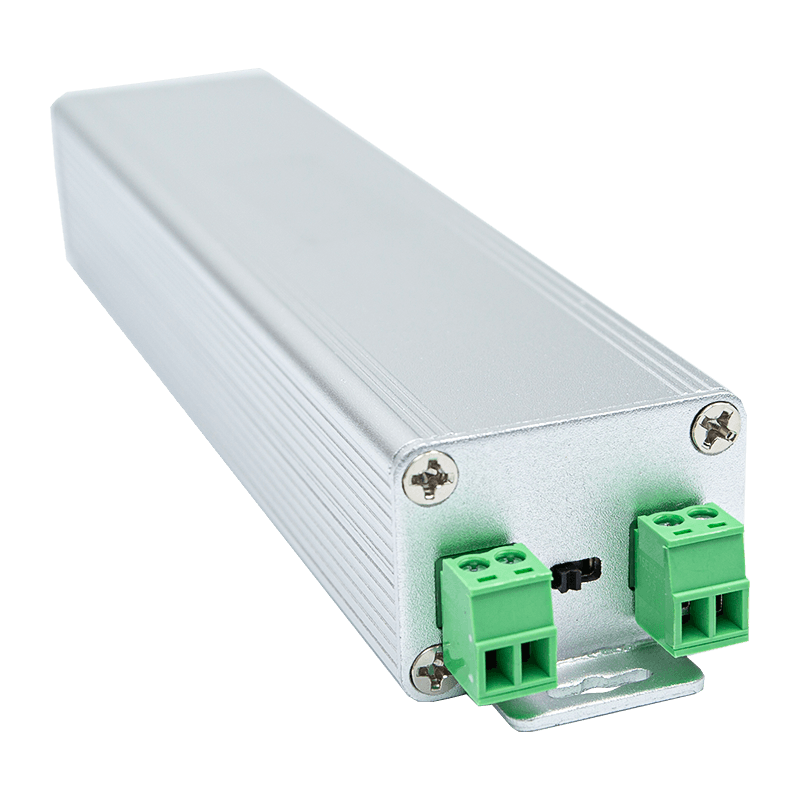
For a retrofit line with motors on the same distribution board, an industrial H-PLC module with line filtering is often a reliable way to connect HMIs, PLCs, and meters. ASY Electronics' KS1000M is one example of a power-line bridge built for this type of industrial network.
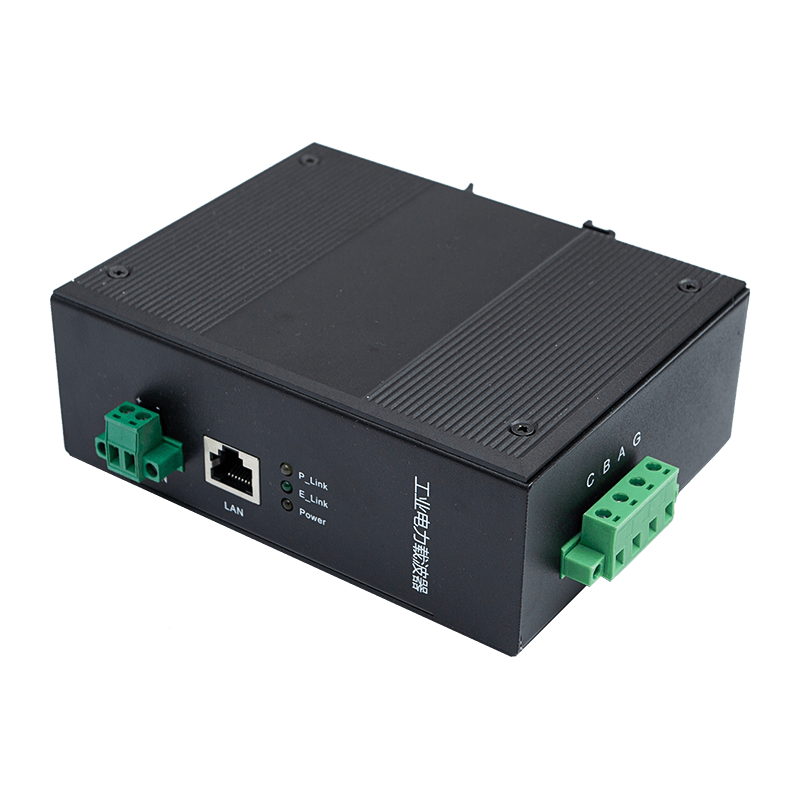 KS1000M Industrial Three-Phase Gigabit PLC BridgeThe KS1000M is an industrial-grade power line communication device delivering gigabit speeds over three-phase mains. It incorporates filtering and noise suppression to maintain signal integrity in environments with motors and VFDs, making it suitable for retrofitted factory networks connecting HMIs, PLCs, and meters.View Product →
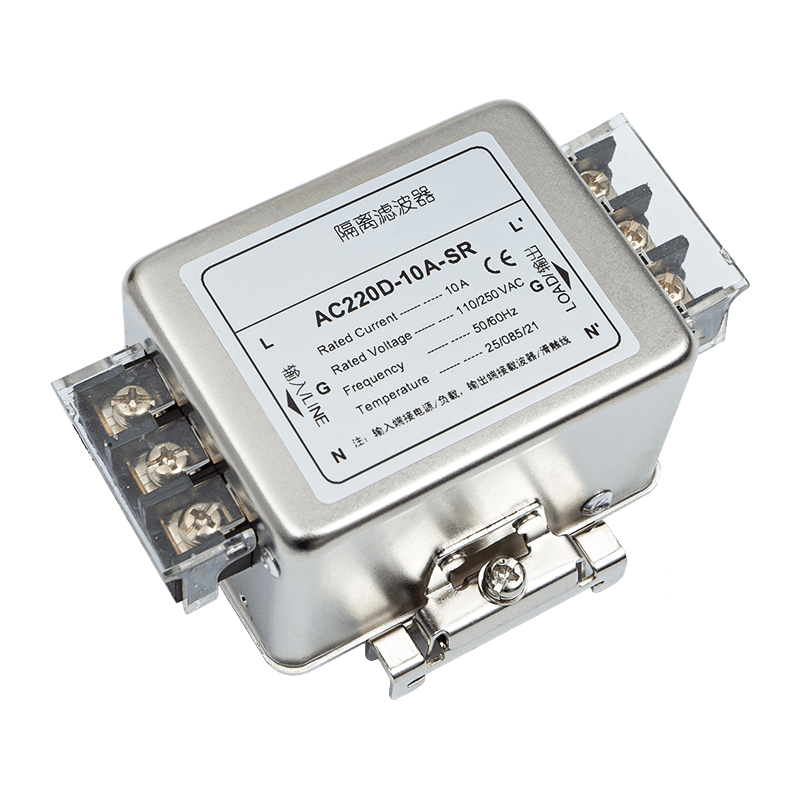
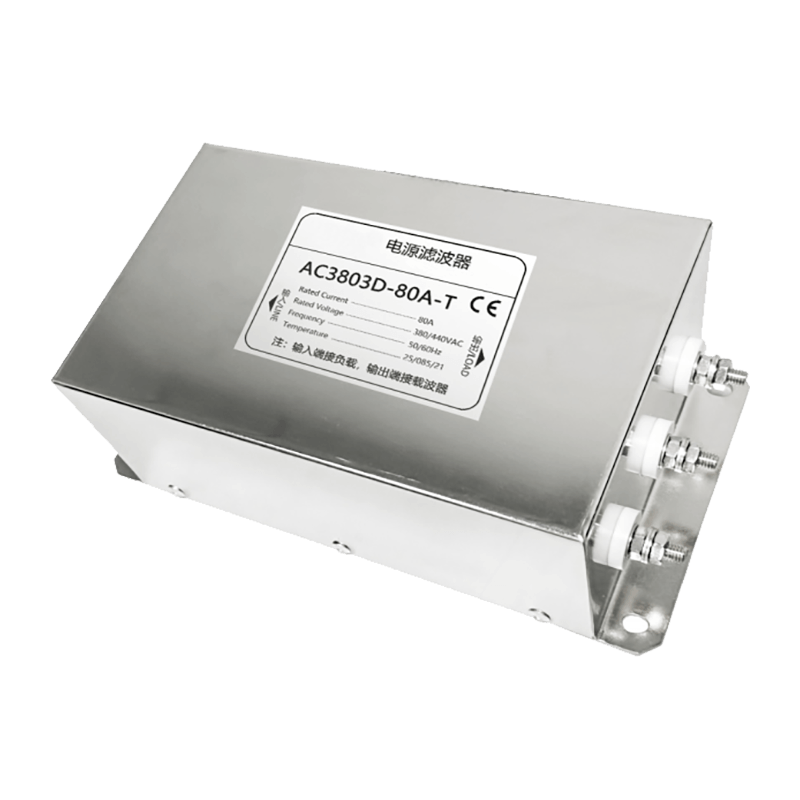
Signal quality is the main risk. VFDs, welding equipment, and switched-mode power supplies inject noise into the mains. That is why industrial broadband PLC designs include isolation filters, noise suppression, and packet retransmission. For practical steps, see this guide on how to reduce noise in broadband power-line communication for industrial use.
When Ethernet Remains the Better Choice
Ethernet remains the better choice when the physical environment is new or when the application demands strict performance.
- New construction with cable trays, conduits, or raised floors.
- Machine vision, 3D scanning, or high-speed vibration logging that require sustained bandwidth.
- Motion control and safety circuits that need sub-millisecond, low-jitter traffic.
- Nodes separated by transformers, because PLC signals attenuate sharply when crossing transformer windings.
- Networks that rely on simple segmentation with VLANs and access control lists.
Ethernet is also more forgiving in retrofit sites if a structured cabling path already exists. In that case, pulling a few extra cables is often cheaper than troubleshooting a marginal power-line link.
How to Evaluate Broadband PLC vs Ethernet on Your Site
Use this method to make the decision with data rather than assumptions.
- List the data sources and determine the bandwidth each one needs. A temperature sensor might use 1 kbps, while a vision system may need 1 Gbps.
- Map the power topology. Identify whether all nodes are on the same secondary side of the transformer.
- Audit noise sources. Motor drives, welders, and UPS systems change the noise floor.
- Test a PLC bridge on the actual circuit. Measure throughput, latency, and packet loss for 24 hours.
- Plan security. Broadband PLC is a shared medium, so encryption and isolation should be part of the network design.
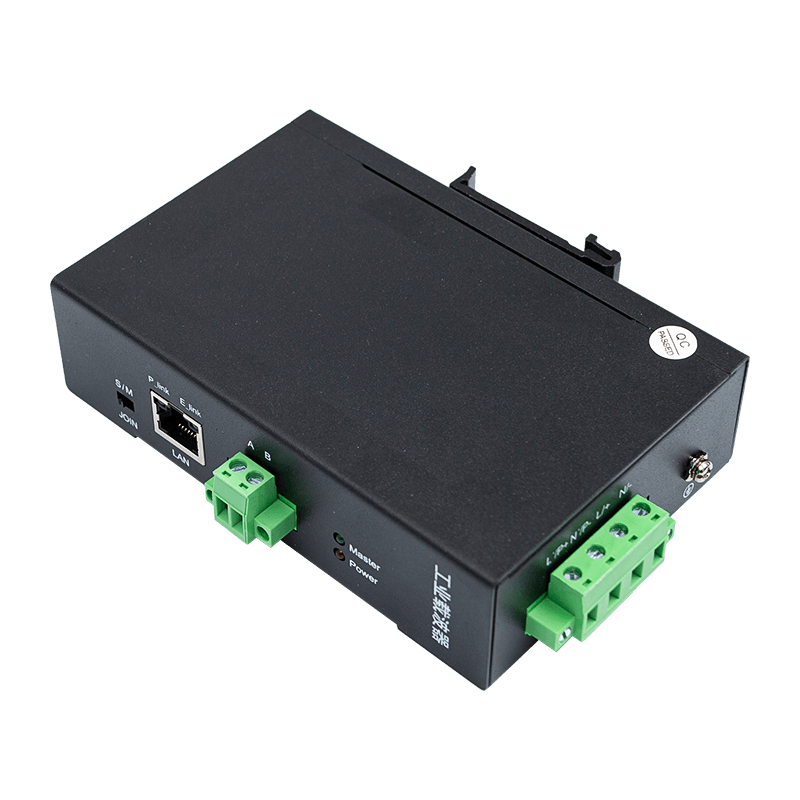
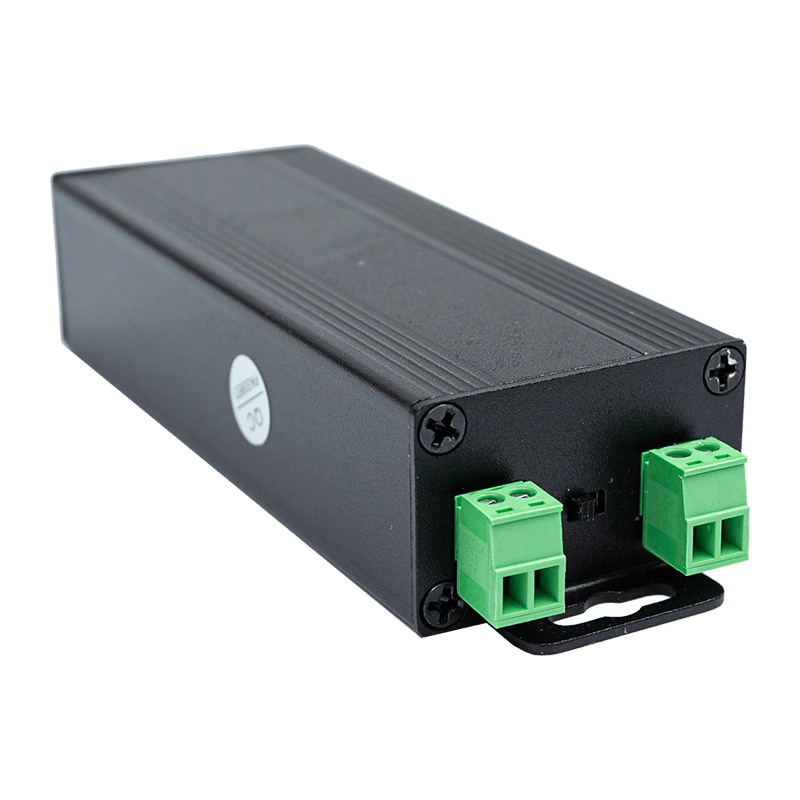
For a small pilot network, choose a module with robust coupling and filtering. ASY Electronics' H-PLC family includes models such as the KS1200M for these tests.
 KS1200G Compact Gigabit Power Line Communication ModuleThe KS1200G is a compact industrial PLC module supporting gigabit data rates over existing power lines. With robust coupling and filtering, it is ideal for small pilot tests in noisy electrical environments, offering plug-and-play networking and high reliability for initial evaluations.View Product →
If the pilot shows high retransmission, first check the physical installation. Reliable signal integrity in high-speed power-line links depends on grounding, cable routing, and filter placement.
Frequently Asked Questions
Q1: Is broadband PLC as fast as Ethernet?
Not under realistic plant conditions. A switched Ethernet link runs at 100 Mbps or 1 Gbps with low error and sub-millisecond latency. Broadband PLC may deliver tens to hundreds of Mbps on a clean circuit, but field conditions reduce throughput and add jitter.
Q2: Can broadband PLC and Ethernet work together?
Yes. Most industrial H-PLC products act as Ethernet bridges or include a PLC-to-Ethernet interface. You can use PLC for the last stretch and Ethernet for the backbone.
Q3: Will power-line communication interfere with production equipment?
A well-designed broadband PLC modem couples a high-frequency signal that is far above 50/60 Hz. Still, poor installation, missing grounding, or absent isolation filters can cause EMC issues. Use industrial modules and follow installation guidance.
Q4: Which choice is better for a retrofit factory?
Broadband PLC is usually easier to deploy in a retrofit because it removes the need for new cable runs. But always test the specific circuits first; if a node is behind a transformer or near high-power drives, Ethernet may be more predictable.
Final Takeaway
Broadband PLC and Ethernet are not enemies. Ethernet provides the stable backbone; broadband PLC provides a practical way to reach machines that are not connected. Match the medium to the site, not to a preference. That approach gives the best mix of cost, reliability, and performance.