

In modern industrial production, gas flow measurement has become a critical part of energy management, process control, and operational monitoring. Whether in chemical processing, power generation, metallurgy, food production, semiconductor manufacturing, or environmental monitoring, accurate gas flow data directly affects production efficiency and operational cost.
As industrial automation continues to advance, traditional volumetric flow measurement methods can no longer fully meet the requirements of complex operating conditions. In this context, the Thermal Gas Mass Flow Meter has become widely adopted across industries. It measures gas mass flow directly based on thermal diffusion principles, eliminating the need for temperature and pressure compensation, and enabling stable, high-precision continuous measurement.
Compared with traditional flow instruments, thermal mass flow measurement technology performs particularly well in low-flow conditions, compressed air monitoring, and energy consumption management. With the development of industrial digitalization, many enterprises are building comprehensive gas flow monitoring systems, in which the Thermal Gas Mass Flow Meter plays a key role.
What is a Thermal Gas Mass Flow Meter
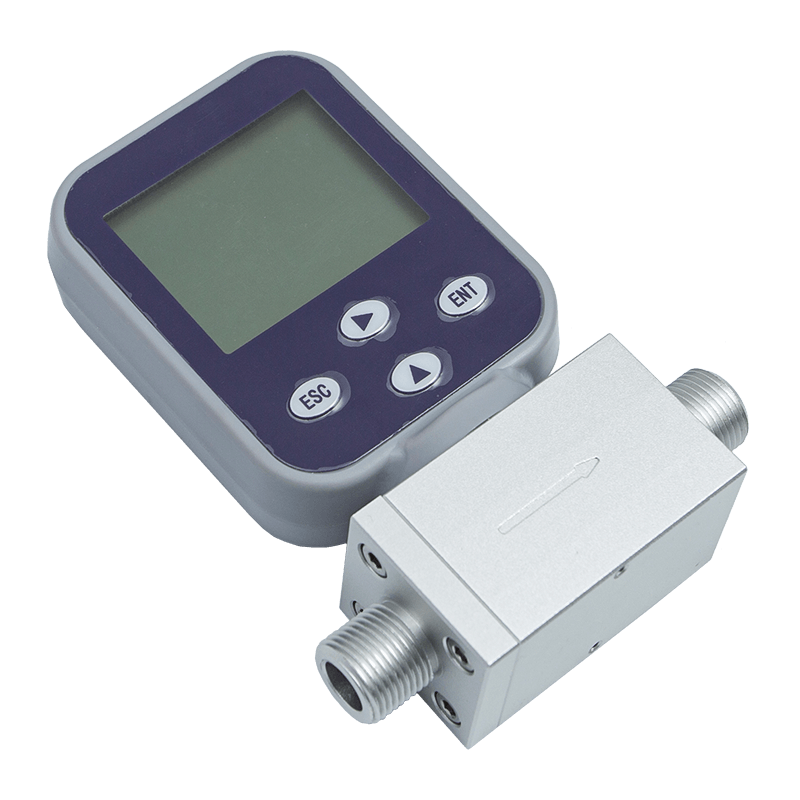
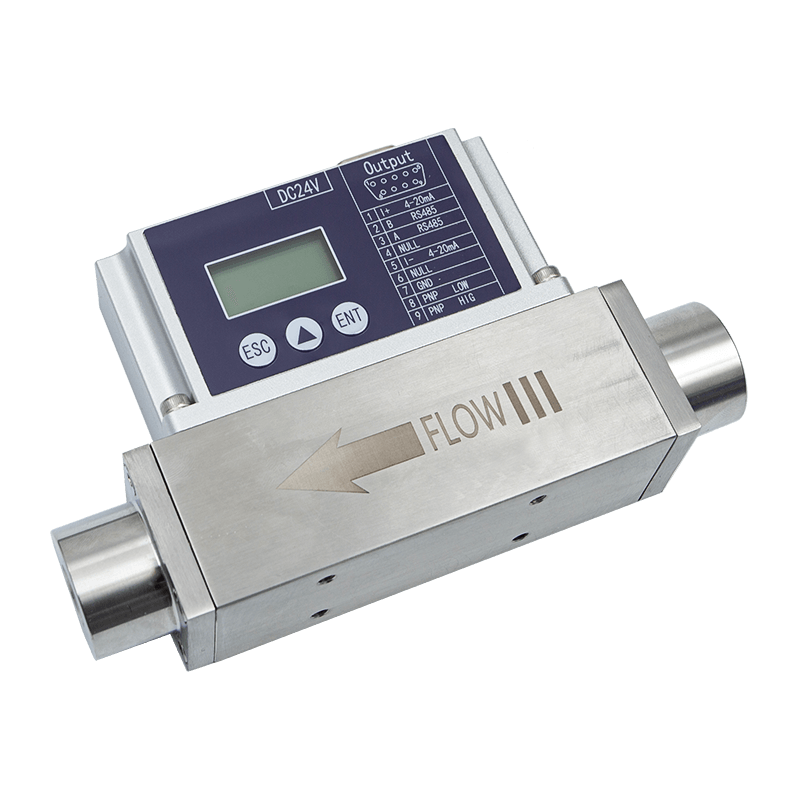
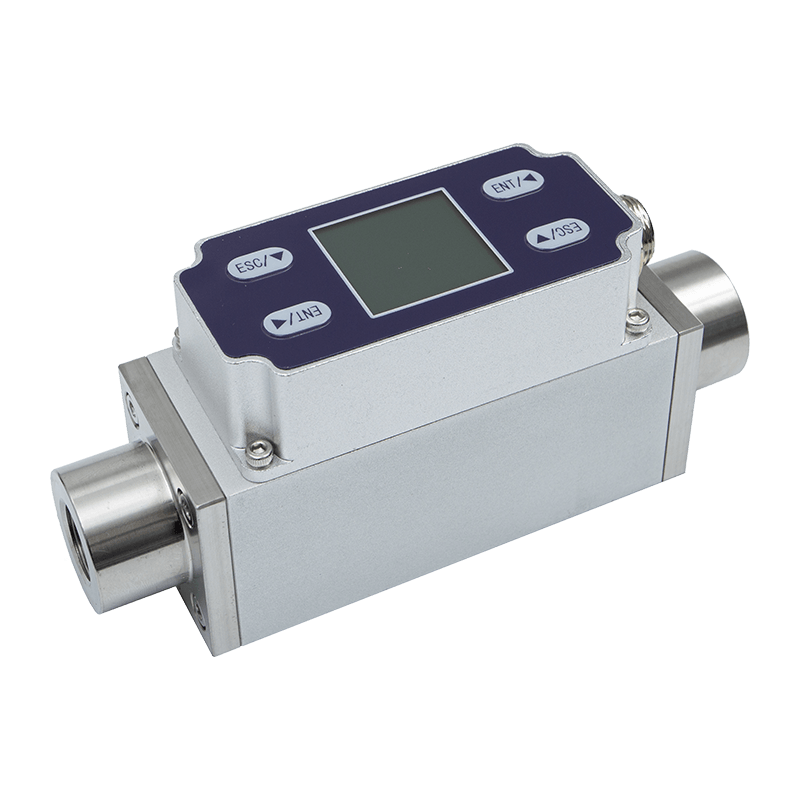
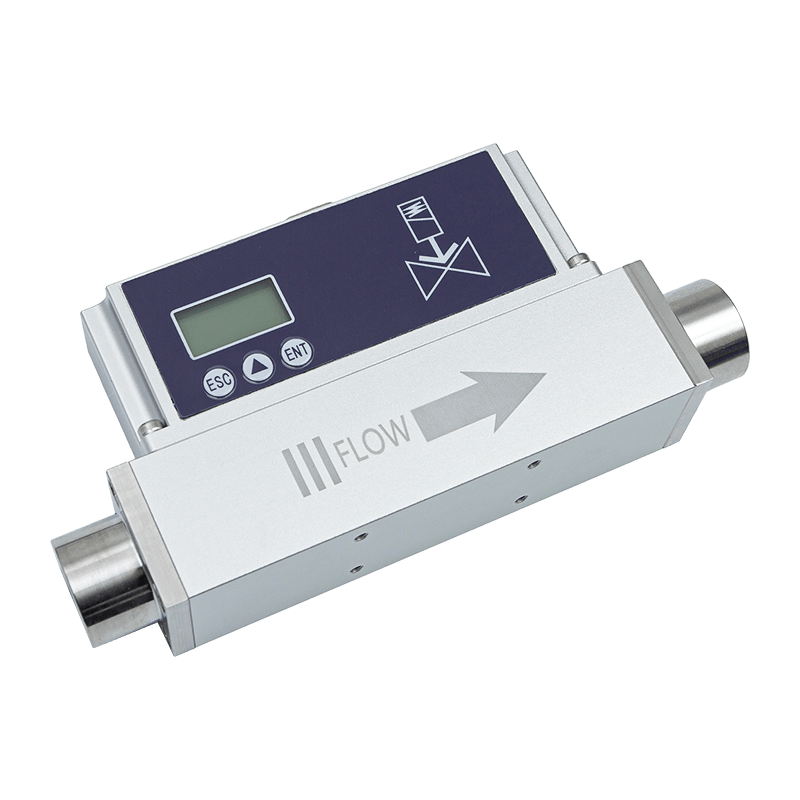
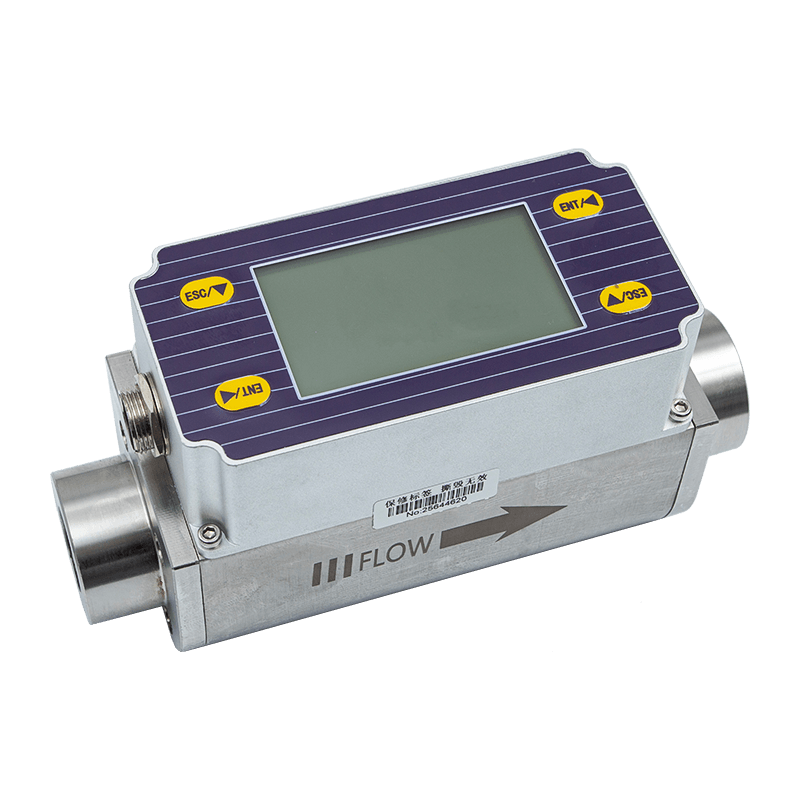
A Thermal Gas Mass Flow Meter is an industrial instrument that measures gas mass flow based on thermal conductivity principles. It calculates mass flow by detecting the heat dissipation caused by gas flow over a heated sensor element.
Unlike conventional flow meters that measure volumetric flow, the Thermal Gas Mass Flow Meter directly measures mass flow. This makes it highly reliable in applications where gas density changes due to temperature and pressure variations.
In modern industrial systems, energy efficiency has become a major concern. Compressed air systems, combustion systems, and process gas networks often suffer from leakage and inefficiency. By using an industrial gas flow meter, companies can monitor real-time gas usage and optimize system performance.
Working Principle of Thermal Gas Mass Flow Meter
Thermal Diffusion Principle
The core operating principle of a Thermal Gas Mass Flow Meter is thermal diffusion. The instrument typically includes two temperature sensors:
One sensor measures the gas temperature, while the other is heated above the gas temperature. As gas flows past the heated sensor, it carries away heat. The faster the flow, the greater the heat loss. The instrument calculates mass flow based on this heat transfer difference.
Since mass flow has a stable relationship with heat transfer, the device can directly output mass flow values without additional compensation.
Role of the Inline Gas Flow Sensor
In many industrial applications, an inline gas flow sensor is installed directly inside pipelines for continuous measurement.
This structure offers several advantages:
| Real-time monitoring | Continuous flow data output |
| Fast response | Immediate detection of flow changes |
| Easy installation | No complex pipeline modification required |
| Low pressure loss | Minimal system impact |
Inline gas flow sensors are widely used in compressed air systems, combustion control systems, and emission monitoring systems.
Advantages of the Thermal Gas Mass Flow Meter
High-Accuracy Mass Flow Measurement
Traditional flow meters measure volumetric flow, which is affected by temperature and pressure changes. The Thermal Gas Mass Flow Meter directly measures mass flow, eliminating the need for compensation and ensuring stable accuracy under varying conditions.
Wide Turn-Down Ratio
Thermal gas flow meters typically offer a wide turn-down ratio, allowing measurement from very low to high flow rates. This is particularly important in compressed air flow measurement applications where demand fluctuates significantly.
Low Pressure Loss
Compared to differential pressure flow meters, Thermal Gas Mass Flow Meters create minimal pressure drop, helping reduce overall system energy consumption.
Low Maintenance Cost
Since there are no moving mechanical parts, the device offers high long-term stability and reduced maintenance requirements, making it ideal for gas flow monitoring systems.
Applications of the Thermal Gas Mass Flow Meter
Compressed Air System Monitoring
Compressed air flow measurement is one of the most common applications of Thermal Gas Mass Flow Meters. Compressed air is often considered the fourth utility in industrial production, but it is also one of the most expensive energy sources.
Many factories face issues such as leakage, idle equipment operation, and inefficient air distribution. By installing Thermal Gas Mass Flow Meters, companies can monitor air usage in real time and identify inefficiencies.
| Leak detection | Reduces energy waste |
| Usage analysis | Optimizes production processes |
| Load management | Improves system efficiency |
| Data monitoring | Supports energy-saving strategies |
Natural Gas Flow Measurement
Thermal Gas Mass Flow Meters are widely used in natural gas distribution systems where stable and accurate measurement is required for boilers, combustion systems, and energy metering applications.
Environmental Emission Monitoring
With stricter environmental regulations, continuous monitoring of gas emissions has become essential. Thermal mass flow measurement is particularly suitable for low-pressure, low-flow conditions such as exhaust gas monitoring, VOC treatment, and biogas systems.
Semiconductor and Electronics Industry
In semiconductor manufacturing, extremely high precision and gas purity are required. Thermal Gas Mass Flow Meters are used for high-purity gas delivery, process gas control, cleanroom management, and vacuum system monitoring.
Comparison with Other Flow Measurement Technologies
Different flow measurement technologies are suited for different industrial conditions.
| Type | Measured Medium | Accuracy | Pressure Loss | Maintenance |
| Thermal Gas Mass Flow Meter | Gas | High | Low | Low |
| Differential Pressure Flow Meter | Gas/Liquid | Medium | High | Medium |
| Vortex Flow Meter | Steam/Liquid | Medium | Medium | Medium |
| Ultrasonic Flow Meter | Gas/Liquid | High | Very Low | Low |
The Thermal Gas Mass Flow Meter shows clear advantages in gas flow applications, especially in continuous monitoring systems.
How to Select a Thermal Gas Mass Flow Meter
Based on Gas Type
Different gases have different thermal conductivity properties. It is important to consider gas composition, purity, humidity, and corrosiveness when selecting an industrial gas flow meter.
Based on Pipeline Size
Installation methods vary depending on pipe diameter:
| Insertion type | Large diameter pipelines |
| Inline type | Small-diameter high-accuracy measurement |
| Pipeline section type | Continuous monitoring systems |
Operating Conditions
Temperature, pressure, and environmental conditions directly affect instrument performance. Important considerations include operating range, explosion-proof requirements, and protection rating.
Communication Capabilities
Modern gas flow monitoring systems require integration with automation platforms. Communication options include analog signals, digital protocols, and industrial bus systems.
Installation and Maintenance
Importance of Proper Installation
Incorrect installation can significantly affect measurement accuracy. It is recommended to avoid installation near bends, valves, or areas with unstable flow patterns.
Regular Calibration
Although maintenance requirements are low, periodic calibration ensures long-term accuracy and reliability.
Maintenance Recommendations
| Sensor contamination check | Maintains measurement accuracy |
| Pipeline leakage inspection | Reduces energy loss |
| Signal stability check | Ensures data reliability |
| Electrical connection inspection | Prevents communication failure |
Future Trends in Thermal Gas Mass Flow Measurement
Intelligent Development
Industrial automation is driving flow meters toward smarter functionality, including self-diagnosis, remote maintenance, and intelligent alarms.
IoT Remote Monitoring
Modern systems increasingly rely on IoT connectivity to enable real-time monitoring, energy analysis, predictive maintenance, and optimization.
Higher Accuracy and Lower Energy Consumption
Future developments will focus on improved low-flow measurement, enhanced stability under extreme conditions, and reduced power consumption.
Conclusion
The Thermal Gas Mass Flow Meter has become an essential tool in modern industrial gas measurement systems. Compared with traditional technologies, it offers significant advantages in direct mass flow measurement, low-flow detection, minimal pressure loss, and a wide measurement range.
It is widely used in compressed air flow measurement, natural gas monitoring, and environmental emission control. As industrial automation continues to evolve, more companies are adopting gas flow monitoring systems to improve efficiency and reduce energy consumption.
With the ongoing development of industrial digitalization, thermal mass flow measurement technology will continue to evolve toward higher intelligence, connectivity, and precision, making it an important foundation for modern industrial management.